Herbal Supplements for Menopause Sleep: What Actually Works
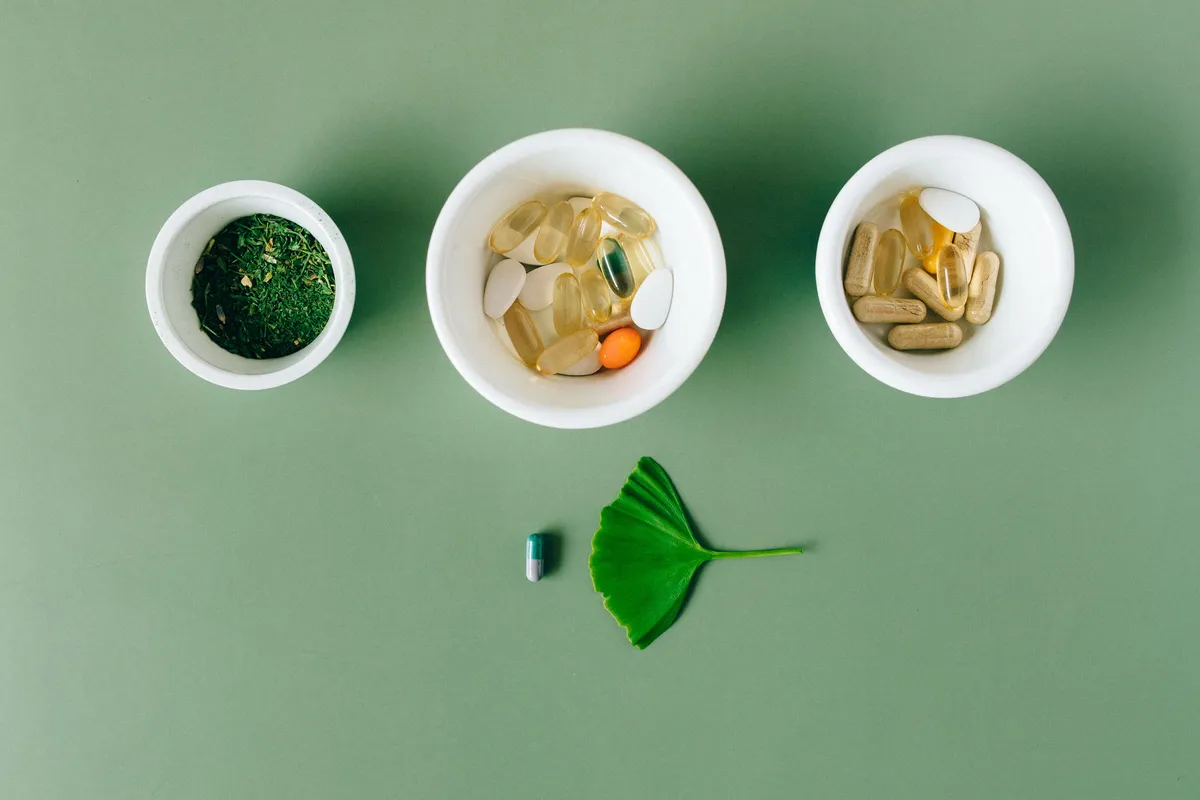
Some herbs show modest promise. Ashwagandha has the most supportive research for sleep and stress, and valerian may help mildly, though results are mixed. Chamomile, lemon balm, and others are gentler and less proven. None is a cure, quality varies widely because supplements are loosely regulated, and some interact with medications — so talk to your doctor before starting.
I have spent an embarrassing amount of money on little brown bottles. Somewhere in a cabinet is a graveyard of half-used supplements I bought at 2 a.m. after reading a breathless review, each one promising to be the natural answer to my wrecked sleep. Most did nothing. A couple maybe helped a little. That experience is exactly why I want to give you the un-hyped version.
Herbs aren't magic, and they aren't useless either — the truth sits in a modest middle that the marketing never admits. So let me walk you through the ones people ask about most, what the evidence honestly shows for each, and — just as important — how to use them safely, because "natural" is not the same as "harmless."
Do herbal supplements actually help menopause sleep?
Some, modestly. A few herbs have real (if early) evidence behind them, others rest mostly on tradition and hope, and a strong placebo effect muddies all of it. The honest summary: herbs can be a gentle add-on for some women, but they're not a reliable fix, and the research is thinner and lower-quality than the confident marketing suggests.
Two big caveats shape everything below. First, supplements aren't tightly regulated, so what's on the label isn't always what's in the bottle — potency and purity vary between brands. Second, "modest evidence" means exactly that: helpful for some, nothing for others. Keep your expectations realistic and you'll be far less disappointed than I was.
One more thing, said kindly: the placebo effect is real and surprisingly strong for sleep, which is part of why a herb can genuinely feel helpful for a while even when trials say it does little. That's not nothing — if a calming ritual helps you relax, use it — but it's worth knowing that's often what you're buying, so you don't pour money into ever-fancier bottles chasing the feeling.
Ashwagandha — does it help sleep?
Of all the sleep herbs, ashwagandha has the most supportive research. Several small trials of this adaptogen — a herb traditionally used for stress — have found improved sleep quality and lower stress and anxiety, which is a plausible route to better rest in the wired, stressed nights of menopause. It's the one I'd call genuinely promising.
Promising isn't the same as proven, though. The studies are small, short, and often industry-funded, so the effect may be more modest in real life. And there are real safety notes: ashwagandha can affect thyroid hormone levels, so avoid it if you have thyroid disease or take thyroid medication, and rare reports link it to liver problems. Skip it in pregnancy, and clear it with your doctor first — especially if you take other medications.
Valerian — does it work?
Valerian is the classic herbal sleep aid, used for centuries — but the modern evidence is frustratingly mixed. Some people find it mildly helpful for falling asleep, and some reviews hint at a small benefit, while better-designed trials show results no better than placebo. If it works for you, it likely works gently.
On safety, valerian is generally considered fine for short-term use, though it can cause grogginess or vivid dreams, and it shouldn't be combined with other sedatives or alcohol. My honest take: it's low-risk to trial for a couple of weeks, but don't be surprised if it does little. Give it a fair test, and stop if you feel no difference.
For the full picture — including the specific trial in postmenopausal women and why the subjective and objective evidence tell such different stories — see our deep dive on valerian for menopause sleep.
Saffron — does it help mood and sleep?
Saffron is the newest entrant with genuinely solid backing, though the story splits by outcome. A dedicated perimenopause trial found a real drop in anxiety and depression scores, and a separate meta-analysis found a meaningful sleep-quality benefit — but the same perimenopause trial found no significant effect on hot flashes specifically, which most marketing quietly skips over.
The trade-off is cost: saffron extract runs noticeably more than magnesium, valerian, or melatonin. For the full split between the mood evidence, the sleep evidence, and the honest hot-flash gap, plus a note on its interaction with SSRIs, see our deep dive on saffron for menopause sleep and mood.
What about chamomile, lemon balm, and the others?
These are the gentler, milder options — pleasant, low-risk, and lightly evidenced. None is a heavy hitter, but a warm cup of herbal tea is also a calming bedtime ritual in its own right, and that ritual may do as much as the herb. Here's the honest evidence at a glance:
| Herb | Traditional use | Honest evidence for sleep |
|---|---|---|
| Ashwagandha | Stress, anxiety, sleep | Most promising, but early & small studies |
| Valerian | Falling asleep, calm | Mixed — possibly mild, often no better than placebo |
| Chamomile | Calming, mild sedative | Weak; soothing ritual, gentle effect |
| Lemon balm | Anxiety, restlessness | Weak; may ease mild anxiety, often paired with valerian |
| Passionflower | Anxiety, sleep | Weak & limited; small studies only |
The pattern here is consistent: gentle, traditional, low-risk, and lightly supported. If one of these becomes a soothing part of your wind-down, that's a genuine win — just don't expect it to overpower a hot flash or a racing 3 a.m. mind on its own.
What about black cohosh and red clover?
These two come up constantly, but it's worth being clear: they're marketed for hot flashes, not sleep directly — the idea being that fewer flashes means fewer wake-ups. The evidence for both is mixed and underwhelming, with many trials finding little benefit over placebo for vasomotor symptoms.
Black cohosh also carries a specific safety flag: rare reports of liver problems, so it's not one to take casually or without medical input. Red clover contains plant estrogens, which raises questions for women with hormone-sensitive conditions. If hot flashes are your real sleep thief, the cooling steps in natural remedies for night sweats and a frank talk about whether HRT is right for you are better-evidenced places to start.
Black cohosh is the one of these two that has actually been tested at scale, and the results are worth knowing before you buy a bottle — including one small sleep study nobody markets. We go through all of it in our full black cohosh article.
Are herbal sleep supplements safe?
Not automatically — and this is the part the marketing skips. "Natural" doesn't mean harmless: herbs are biologically active, which is exactly why they might work and also why they can cause harm. The three real risks are worth naming plainly:
- Loose regulation. Supplements aren't tested by the FDA before sale, so purity, potency, and even the actual ingredients can differ from the label.
- Drug interactions. Herbs can interact with sedatives, blood thinners, thyroid and hormone medications, and antidepressants — and these interactions are under-studied.
- Organ and hormone effects. Some herbs affect the liver (black cohosh) or thyroid (ashwagandha), which matters more in midlife when these systems are already shifting.
How do you choose and use them wisely?
If you decide to try a herb, do it like a careful experiment, not a shopping spree. A few rules keep it safe and actually informative, so you learn whether something works instead of drowning the signal in a fistful of pills:
- Look for third-party testing. Seals like USP, NSF, or ConsumerLab mean an independent lab verified the contents — your best defence against the regulation gap.
- Try one thing at a time. Give it two to four weeks. If you start three supplements at once, you'll never know which (if any) helped.
- Start low, and keep expectations modest. You're looking for a gentle nudge, not a knockout.
- Track it. A simple sleep log tells you honestly whether a supplement is doing anything or just costing money.
So what should you actually try first?
Here's the part the supplement ads will never tell you: the highest-value moves aren't in a bottle. Before — or alongside — any herb, the biggest, best-evidenced gains come from your habits and environment. A fair order of priority looks like this:
Fix the free things first. A cool room, a consistent wake time, less evening alcohol, and CBT-I will out-perform any herb in the cabinet — and they cost nothing but consistency.
Once those foundations are in place, the better-evidenced supplements to consider are magnesium and low-dose melatonin, which have clearer support than most herbs. Add a herb like ashwagandha as a modest experiment on top of that — not as the foundation. That order will save you money, disappointment, and a cabinet full of half-used brown bottles.
Where to go from here
And before you take two of these at once, our guide to combining sleep supplements safely covers what is documented, what has never been studied, and the one interaction that matters most in midlife.
If CBD is the one you keep seeing advertised, we applied this same standard of proof to it in CBD for sleep in menopause — including the finding that only 30% of tested bottles contained what their label claimed.
Herbs are the garnish, not the meal. For the supplements with the strongest evidence, compare notes with our guides to the best magnesium for sleep and whether melatonin works for menopause insomnia. If hot flashes are the real problem behind your wake-ups, start with natural remedies for night sweats. And for the full, evidence-ranked map of everything that helps, read our complete perimenopause and menopause sleep guide.
Key takeaways
- Herbal sleep aids offer modest, mixed evidence — helpful for some, no cure, and best alongside good sleep habits.
- Ashwagandha, for stress, and valerian, for falling asleep, have the most supporting research.
- Chamomile and lemon balm are gentle and calming; black cohosh and red clover target hot flashes more than sleep directly.
- "Natural" doesn't mean risk-free — herbs can interact with medicines, so check with a doctor or pharmacist.
- Try one at a time, from a tested brand, so you can tell what actually works for you.
Frequently asked questions
Does ashwagandha help with menopause sleep?
Ashwagandha has the most supportive research among sleep herbs, with several small trials showing better sleep quality and lower stress. The effect is modest and the studies are early and small, so treat it as promising rather than proven. Avoid it if you have thyroid disease or take thyroid medication, and check with your doctor first.
Does valerian work for sleep in menopause?
The evidence for valerian is mixed. Some people find it mildly helpful for falling asleep, but well-designed trials show inconsistent results, so it may be little better than placebo for many. It's generally considered safe for short-term use. If you try it, give it a couple of weeks and stop if you notice no benefit.
Are herbal sleep supplements safe during menopause?
"Natural" doesn't automatically mean safe. Supplements are loosely regulated, so purity and dosing vary between brands, and some herbs interact with medications or affect the liver or thyroid. Black cohosh, for example, carries rare liver concerns. Choose third-party-tested products, try one at a time, and always tell your doctor what you're taking.
What is the best natural supplement for menopause sleep?
There's no single winner, and honestly, behavior beats botanicals. Among supplements, magnesium and low-dose melatonin have clearer evidence than most herbs; ashwagandha is the most promising herb. But the biggest gains come from sleep habits, a cool room, and CBT-I. Think of herbs as a modest add-on, not the foundation.
Can I take herbal supplements with HRT or other medications?
Sometimes, but not always — and this is exactly why you check first. Some herbs interact with hormones, blood thinners, sedatives, thyroid medication, and antidepressants. Because supplements aren't tightly regulated, interactions are under-studied too. Before combining anything with HRT or a prescription, run it past your doctor or pharmacist with the specific products in hand.
Sources cited
- National Center for Complementary and Integrative Health (NCCIH). Ashwagandha, valerian, and black cohosh. nccih.nih.gov
- NIH Office of Dietary Supplements. Dietary supplements: what you need to know. ods.od.nih.gov
- Sleep Foundation. Natural sleep aids and herbal remedies. sleepfoundation.org
- The Menopause Society (NAMS). Nonhormonal and complementary therapies for menopause. menopause.org
Ellen Hayes
Health & Wellness Writer and Researcher
Hi — I'm Ellen. If you're reading this at some ungodly hour because your brain flipped on in the middle of the night and won't shut off… I get it. I'm right there with you. I'm somewhere in the middle of midlife, deep in perimenopause, and lately sleep and I have a complicated relationship.
I'm not a doctor. I'm not an expert — and I'm never going to talk down to you like one. I'm just a woman who got tired of vague answers ("it's just your age," "try to relax") and decided to actually read the research myself. Then I write it down here, in plain English, the way I'd explain it to a friend over coffee. More about Ellen →