Black Cohosh for Menopause: It Failed the Hot Flash Test
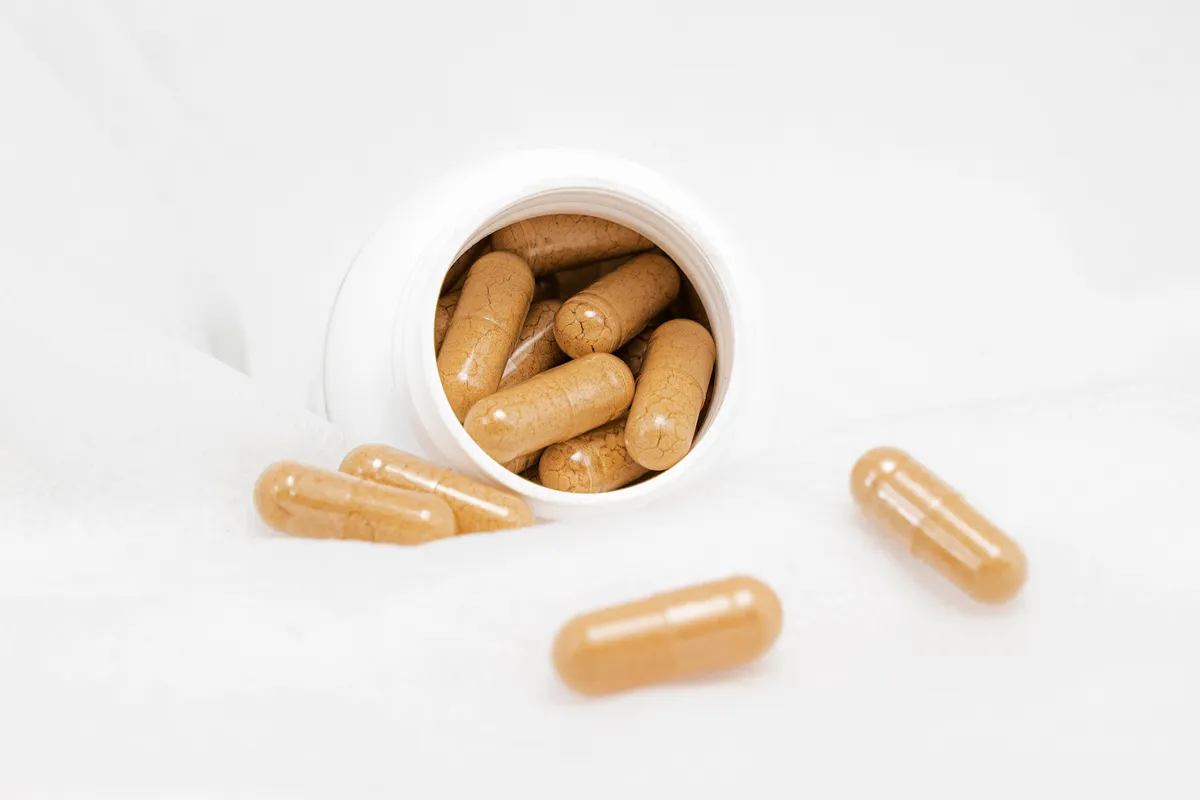
For hot flashes, the biggest trials found black cohosh no better than a sugar pill, and the main menopause society does not recommend it. For sleep, one small trial of 42 women using overnight lab recordings did find improvement — a single unreplicated study. So the honest answer depends on which symptom you are trying to fix.
Black cohosh is the herb my mother's generation reached for, and it is still sitting at eye level in every American pharmacy. When I started reading about it I expected the usual supplement story: a handful of tiny studies, a lot of marketing, nothing solid either way.
That is not what I found. Black cohosh has actually been tested properly, more than once, with real money behind it. The results are just not the ones on the box.
Why this one is worth your time: most herbs in this category simply have not been studied. Black cohosh has. That means we can say something unusually specific about where it fails, where it might help, and what to watch for — instead of shrugging.
What is black cohosh, and what is it sold for?
Black cohosh is the root of a North American woodland plant, Actaea racemosa, used by Indigenous peoples and later adopted into American medicine. Today it is sold almost entirely to women in midlife, usually around 40 mg a day, marketed for hot flashes and night sweats rather than for sleep.
That marketing framing matters, because it is exactly the claim the research has tested hardest — and the one it has struggled to support. Nobody set out to sell you a sleep aid. Which is why the sleep evidence, such as it is, went almost unnoticed.
Does black cohosh work for hot flashes?
On the best evidence, no. A Cochrane review identified 16 randomized trials covering 2,027 women taking black cohosh on its own. Wherever results could actually be pooled, it found no meaningful difference from placebo — not in hot flush frequency, and not in overall symptom scores. Hormone therapy beat it.
One caution the reviewers themselves added, which matters: their conclusion was that there is insufficient evidence to support using black cohosh, not that it has been disproven, and they judged the quality of the included trials to be generally unclear because of poor reporting. Absence of proof is not proof of absence.
The single most rigorous American trial reached the same place. It ran for a full year, enrolled 351 women aged 45 to 55, and compared black cohosh at 160 mg daily against a herbal blend, soy counseling, hormone therapy and placebo. Its conclusion used the phrase "little potential".
Then why do some studies say it works?
Because a 2023 meta-analysis did find a benefit, and it is worth understanding rather than ignoring. Pooling 22 articles and 2,310 women, it reported a moderate improvement in overall menopause symptoms (Hedges' g 0.575) and a smaller one in hot flashes (g 0.315). It found nothing for anxiety or depression.
The catch is in what it pooled. That analysis deliberately included black cohosh combined with other active ingredients, not only black cohosh alone. The Cochrane review restricted itself to single-herb preparations. When a combination product works, you cannot tell which ingredient did it.
A rule worth keeping: when two reviews of the same herb disagree, look at what each one allowed in. "Black cohosh plus nine other things" and "black cohosh" are different questions, even when the headline calls them both black cohosh.
What does the menopause society actually recommend?
Not this. The Menopause Society's 2023 nonhormone position statement reviewed the evidence and placed supplements and herbal remedies in the "not recommended" column for hot flashes and night sweats. That judgment was made in the same year, and published in the same journal, as the favorable meta-analysis.
What it does recommend at the strongest evidence level is a short and slightly surprising list: cognitive behavioral therapy, clinical hypnosis, SSRIs and SNRIs, gabapentin, and fezolinetant. Two of those five are not drugs at all.
- Recommended, strongest evidence: CBT, clinical hypnosis, SSRIs/SNRIs, gabapentin, fezolinetant
- Recommended, weaker evidence: oxybutynin, weight loss, stellate ganglion block
- Not recommended: supplements and herbal remedies, soy foods and extracts, cannabinoids, acupuncture, cooling techniques, avoiding triggers, yoga, relaxation, among others
Worth knowing before you click a source: the US government's own complementary health agency summarises this more warmly than I have, because it reflects that 2023 meta-analysis. It notes improvements in hot flashes, no effect on anxiety or depression, and that black cohosh has been used safely in studies lasting up to a year.
If you have been offered fezolinetant, sold as Veozah, or low-dose paroxetine or venlafaxine, those are the options carrying the evidence black cohosh does not.
Does black cohosh help you sleep?
Here the picture changes, and almost nobody mentions it. A six-month placebo-controlled trial in early postmenopausal women with genuine sleep complaints used polysomnography — overnight lab recording of brain waves — rather than asking women to rate their nights. Black cohosh measurably improved their sleep.
Objective measurement is what makes this interesting. Supplement trials usually rely on questionnaires, which are easy to move with expectation. Brain waves are harder to fool.
It is worth being exact about what moved, though. The machine showed a significant effect. The women's own sleep-quality scores only tended to improve, with a medium effect size, without reaching statistical significance.
Now the honesty. Forty-eight women were randomized and 42 finished, so the results describe those who completed. It is a single trial from one team in China, and it has not been replicated. Set against the pooled hot flash data, one positive sleep trial is a lead, not a conclusion.
And there is a detail that complicates my own framing, so I will say it plainly: that same trial also found improvement in the vasomotor part of its quality-of-life questionnaire. That is not the same measure as counting hot flashes, which is what the big trials did. But it does muddy the clean split between "fails at heat" and "helps with sleep".
So which woman might this matter for? If what wakes you is a wave of heat at 3 a.m., the treatment has to touch the heat, and on that the large trials came back empty — the cooling and hormonal routes in our other articles have far better odds. If you wake for no reason you can name, with no flash attached, this small trial is at least measuring the thing you actually have.
Do not read this as "black cohosh is a sleep aid." Read it as: the one thing it may do has barely been studied, and the thing it is sold for has been studied thoroughly and did not hold up. That is an odd situation, and worth saying out loud.
How would black cohosh even work?
Nobody is certain, and that matters more than it sounds. Shops often describe it as a plant estrogen, which makes an easy story: it tops up what menopause took away. That description is disputed, and no agreed mechanism has replaced it.
I am flagging this because "it is a plant estrogen" gets used to explain a benefit the large trials could not find. An explanation for an effect is not evidence of the effect. It also leaves a real question open, which is why the caution about hormone-sensitive cancers below still stands.
Is black cohosh bad for your liver?
Liver damage has been reported, some of it very serious, and the US health agency that reviews supplements says so plainly. How often it happens, and whether the herb itself is the cause, is genuinely disputed — but "disputed" is not the same as "safe", and this is the one risk worth taking seriously.
The causality picture is where it gets murky. When the US Pharmacopeia examined 30 separate reports of liver damage in black cohosh users, every one scored only "possible" on a standard causality scale — none reached "probable" or "certain". Proving a supplement caused an injury is genuinely hard.
What they did next is the part that matters. Regulators in Australia, Canada and the European Union had already issued statements about a possible link, which is what prompted that review — and the committee, which had required no warning in 2002, decided black cohosh products should carry a cautionary statement from then on.
One more thing, and it connects to the next section: some of the reported cases involved products that turned out not to be black cohosh at all. That does not make the risk disappear. It means part of it may belong to whatever was actually in the capsule.
Stop taking it and call a doctor if you develop unusual tiredness, loss of appetite, dark urine, yellowing of the skin or eyes, or severe upper abdominal pain with nausea. These are the warning signs European regulators tell black cohosh users to watch for.
Is what's in the bottle actually black cohosh?
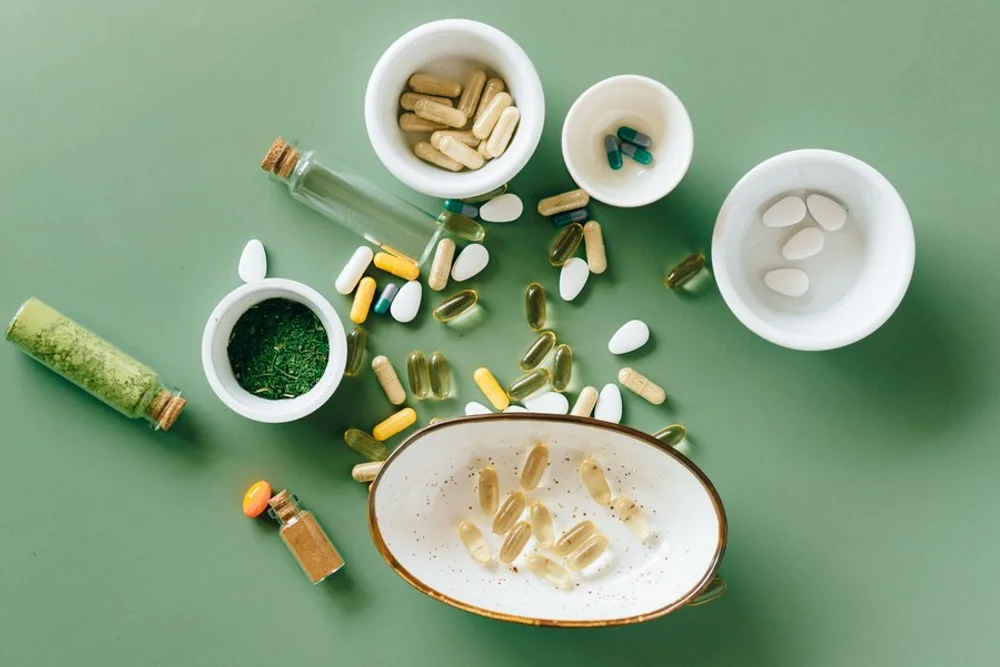
Sometimes it is not. The National Center for Complementary and Integrative Health states plainly that some commercial black cohosh products have been found to contain the wrong herb, or mixtures of black cohosh with other herbs that are not listed on the label.
When researchers DNA-tested 36 black cohosh supplements, nine of them — a quarter — turned out to be Asian Actaea species instead. That undermines every other question on this page. If even a quarter of bottles are not what they claim, then "does black cohosh work" and "did this bottle work" are separate questions — and it may explain part of the liver signal, since some of the Asian species are known to be toxic.
Practical version: buy only products carrying independent third-party verification, look for the Latin name Actaea racemosa on the label, and treat unnamed "menopause blends" as unknown. The same logic applies to every herb in our supplements guide.
Who should not take black cohosh?
Four groups should talk to a doctor first. Anyone taking an SSRI or SNRI, anyone with liver disease or on medication that stresses the liver, anyone with a hormone-sensitive cancer history, and anyone pregnant or breastfeeding. The antidepressant one catches the most women by surprise.
Here is why. SSRIs are frequently prescribed to midlife women for hot flashes, not for depression, so plenty of women on one do not think of themselves as taking an antidepressant. Black cohosh sits on the list of supplements linked to serotonin problems in that combination.
A 2024 emergency medicine case report describes serotonin toxicity and rhabdomyolysis in a woman who added black cohosh to two long-term antidepressants. One case is not a frequency, but it is a reason to ask first. We cover the wider issue in our guide to combining menopause supplements safely.
Black cohosh is not blue cohosh. The names are almost identical and the plants are unrelated. Blue cohosh carries far more serious risks, and confusing the two at the shelf is a real and documented mistake.
So is black cohosh worth trying?
If hot flashes are your problem, the evidence says spend your money elsewhere: the pooled Cochrane analyses and a year-long American trial both came back empty. If broken sleep is your problem and you have already dealt with the obvious causes, it sits in a narrower category — unproven but not unstudied.
If you do try it, do it like an experiment rather than a habit. Pick a third-party-verified single-herb product with Actaea racemosa on the label, tell your doctor, and change nothing else for six weeks. Trials have typically used around 40 mg a day; take it in the evening if sleep is what you are after.
Track it properly rather than from memory. Run our two-week sleep tracker twice, once before you start and once at the end, so you are comparing two written records instead of two impressions.
Mild stomach upset, headache and rash are the common complaints, and they are different from the liver warning signs above. Set a stopping rule before you start: six weeks with no difference in your notes means it is not working for you. If it does help, studies have followed use for up to a year, so agree a review date with your doctor rather than taking it indefinitely.
Where to go from here
For how black cohosh compares with the other herbs on that shelf, start with our guide to herbal supplements for menopause sleep. If night sweats are what wake you, natural remedies for night sweats and insomnia covers what actually lowers the heat.
And if you would rather start with something that has the evidence black cohosh lacks, look at CBT-I. It is not on that society list — that list is about hot flashes, and it recommends CBT for those — but CBT-I carries exactly the kind of evidence for insomnia that black cohosh does not. For how everything fits together, start at the complete perimenopause and menopause sleep guide.
Key takeaways
- A Cochrane review of 16 trials in 2,027 women found black cohosh no better than placebo wherever results could be pooled — hot flush frequency came from 3 of those trials (393 women), symptom scores from 4 (357 women).
- A one-year American trial of 351 women reached the same conclusion, describing black cohosh as showing "little potential" for vasomotor symptoms.
- A 2023 meta-analysis did find a benefit — moderate for overall symptoms — but it pooled combination products alongside black cohosh alone, so the credit cannot be assigned to the herb.
- The Menopause Society's 2023 nonhormone statement does not recommend supplements or herbal remedies for hot flashes.
- One small six-month trial using overnight sleep lab recordings found black cohosh improved sleep efficiency and cut time awake by about 16% — in 42 women, unreplicated.
- The common "plant estrogen" description is disputed and no agreed mechanism has replaced it — which is why the caution around hormone-sensitive cancer remains.
- Liver damage has been reported, some of it serious. Causality is hard to prove — a US Pharmacopeia review rated all 30 of its cases only "possible" — but that review still added a caution label, and regulators in three regions issued alerts.
- Some products on sale contain the wrong herb or unlisted additions, so third-party verification and the name Actaea racemosa matter.
- Ask a doctor first if you take an SSRI or SNRI, have liver disease, or have a hormone-sensitive cancer history.
Frequently asked questions
Does black cohosh work for hot flashes?
The largest and most careful trials say no. A Cochrane review of 16 trials in 2,027 women found no difference from placebo wherever results could be pooled — the hot flush estimate came from 3 of those trials, in 393 women. A one-year US trial of 351 women found the same. A 2023 meta-analysis did find a benefit, but it pooled combination products alongside black cohosh alone, so the credit cannot be assigned to the herb.
Does black cohosh help you sleep?
One small trial suggests it might. Forty-two postmenopausal women with sleep complaints completed a six-month placebo-controlled study using overnight sleep lab recordings. Black cohosh improved sleep efficiency and cut time awake after falling asleep by about 16%. It is one study of 42 women, not a settled answer.
Is black cohosh bad for your liver?
Liver damage has been reported, some of it serious, though how often it happens and whether the herb itself is the cause remain disputed. A US Pharmacopeia review of 30 cases rated all of them only 'possible', yet still concluded products should carry a caution label. Stop and see a doctor if you notice dark urine or yellowing skin.
Is black cohosh a phytoestrogen?
It is often sold as one, but that description is disputed and no agreed mechanism has replaced it. Nobody can currently say how black cohosh works in the body. That matters because 'plant estrogen' is routinely used to explain a benefit the largest trials could not actually find.
Can you take black cohosh with an antidepressant?
Ask your doctor first. Black cohosh is on the list of supplements linked to serotonin problems when combined with SSRIs, and SSRIs are frequently prescribed to midlife women for hot flashes rather than for depression. Many women taking one do not think of themselves as being on an antidepressant.
Is the black cohosh in the bottle really black cohosh?
Not always. The US National Center for Complementary and Integrative Health states that some commercial black cohosh products have been found to contain the wrong herb, or mixtures of black cohosh with other herbs not listed on the label. Separately, a DNA study of 36 products found a quarter of them were Asian Actaea species rather than black cohosh.
What does The Menopause Society say about black cohosh?
Its 2023 nonhormone position statement does not recommend supplements or herbal remedies for hot flashes and night sweats. The treatments it does recommend at the strongest evidence level are cognitive behavioral therapy, clinical hypnosis, SSRIs and SNRIs, gabapentin, and fezolinetant.
Sources cited
- Leach MJ, Moore V. Black cohosh (Cimicifuga spp.) for menopausal symptoms. Cochrane Database Syst Rev. 2012;(9):CD007244. pubmed.ncbi.nlm.nih.gov
- Newton KM, Reed SD, LaCroix AZ, et al. Treatment of vasomotor symptoms of menopause with black cohosh, multibotanicals, soy, hormone therapy, or placebo: a randomized trial. Ann Intern Med. 2006;145(12):869-879. pubmed.ncbi.nlm.nih.gov
- Sadahiro R, Matsuoka LN, Zeng BS, et al. Black cohosh extracts in women with menopausal symptoms: an updated pairwise meta-analysis. Menopause. 2023;30(7):766-773. pubmed.ncbi.nlm.nih.gov
- The 2023 nonhormone therapy position statement of The North American Menopause Society. Menopause. 2023;30(6):573-590. pubmed.ncbi.nlm.nih.gov
- Jiang K, Jin Y, Huang L, et al. Black cohosh improves objective sleep in postmenopausal women with sleep disturbance. Climacteric. 2015;18(4):559-567. pubmed.ncbi.nlm.nih.gov
- Mahady GB, Low Dog T, Barrett ML, et al. United States Pharmacopeia review of the black cohosh case reports of hepatotoxicity. Menopause. 2008;15(4 Pt 1):628-638. pubmed.ncbi.nlm.nih.gov
- Baker DA, Stevenson DW, Little DP. DNA barcode identification of black cohosh herbal dietary supplements. J AOAC Int. 2012;95(4):1023-1034. pubmed.ncbi.nlm.nih.gov
- Dernbach MR, Carpenter JE, Shah N, Carter GB. Black cohosh interactions with prescription medications associated with serotonin toxicity and rhabdomyolysis: a case report. J Emerg Med. 2024;66(5):e592-e596. pubmed.ncbi.nlm.nih.gov
- National Center for Complementary and Integrative Health. Black Cohosh. nccih.nih.gov
- European Medicines Agency. Cimicifugae rhizoma (black cohosh) — herbal medicinal product. ema.europa.eu
Ellen Hayes
Health & Wellness Writer and Researcher
Hi — I'm Ellen. I went in expecting to write another "there isn't much evidence" piece about a herb, and instead found one that had been properly tested and failed at the thing it's famous for, while quietly passing a test nobody markets. I've tried to give you both halves.
I'm not a doctor. I'm not an expert — and I'm never going to talk down to you like one. I'm a woman in the middle of perimenopause who got tired of vague answers, started reading the actual research, and writes it down here in plain English, the way I'd explain it to a friend over coffee. More about Ellen →