Saffron for Menopause Sleep and Mood: What the Trials Show
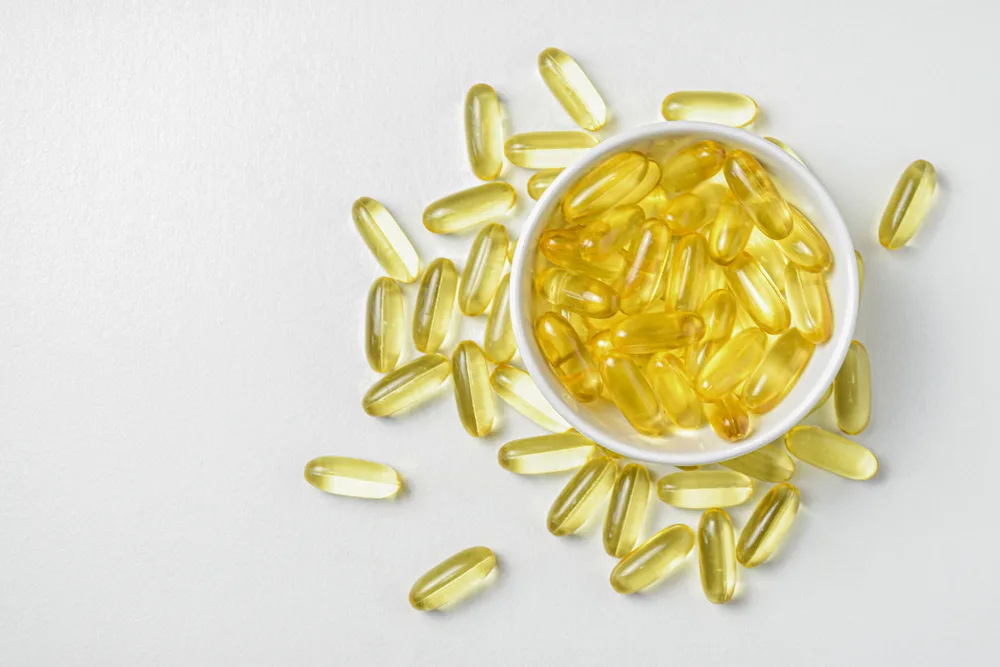
Saffron extract has genuine randomized evidence: a 12-week perimenopause trial found a real drop in anxiety and depression, and a separate meta-analysis found a meaningful sleep-quality benefit. The evidence for hot flashes specifically is mixed — one smaller trial found a benefit, a larger one didn't. It's pricier than most sleep herbs, and it can interact with SSRIs.
I went into saffron expecting another "traditional remedy, thin modern evidence" story, the same shape as half the herbs on this site. That's not quite what I found. Saffron turned out to be one of the better-studied options here — multiple real randomized trials, a real mechanism, a real effect size. It just isn't the effect most saffron supplements are actually sold on.
If you've read our overview of herbal sleep supplements, you've seen saffron mentioned there as the newest, best-backed entrant. This article goes deep on exactly what that backing does and doesn't cover.
The honest framing up front: saffron's strongest, most direct menopause evidence is for mood and anxiety, not hot flashes. Its sleep evidence is real but comes mostly from general adult trials, not menopause-specific ones. Its hot-flash evidence genuinely conflicts between the two trials that exist. All three things can be true at once.
What is saffron, and why would it help menopause symptoms?
Saffron is the dried stigma of the Crocus sativus flower, harvested by hand, which is why it's the most expensive spice in the world by weight. Its active compounds — crocin, crocetin, and safranal — are what researchers actually study, not the whole spice as used in cooking.
Those compounds appear to influence serotonin activity, calm an overactive stress-hormone (HPA axis) response, and reduce inflammation and oxidative stress — mechanisms plausibly tied to mood, sleep, and hot flashes alike, since menopause disrupts several of the same systems. Plausible mechanism isn't proof of effect, though, which is why the trial-by-trial evidence below matters more than the theory.
What does the mood and anxiety evidence show?
This is saffron's strongest, most direct menopause result. A 12-week randomized trial gave 86 perimenopausal women either placebo or 14 mg of a standardized saffron extract (affron®) twice daily, tracking mood on the Greene Climacteric Scale, a validated menopause symptom measure.
Eighty-two of the 86 women completed the trial, and the separation between saffron and placebo groups was statistically significant — a genuinely more direct, positive result than most of the herbs covered on this site can show for any single outcome.
Does saffron actually help you sleep?
The sleep evidence is real but comes from general adult insomnia trials, not menopause-specific ones. A meta-analysis pooling randomized trials found a meaningful improvement on standard sleep-quality measures, and a separate trial found saffron raised evening melatonin before bed — a plausible mechanism for why it might help.
Neither of these trials enrolled menopausal women specifically, so treat this as good general evidence that saffron can help sleep, not proof it works for the particular sleep disruption hot flashes and night sweats cause. That gap is worth naming honestly rather than glossing over.
Does it help hot flashes specifically?
This is where the evidence genuinely conflicts, and it's the part most saffron marketing quietly skips. A 2018 trial in 60 postmenopausal women with major depression found saffron (30 mg/day, 6 weeks) significantly reduced hot-flash interference alongside depression. But the larger 2021 perimenopause trial above, at a similar dose, found no significant difference on its vasomotor symptom subscale (P=.401).
Different populations, slightly different doses, and different measurement tools make these two results hard to reconcile cleanly. The honest read: saffron might help hot flashes for some women, similar to its mood effect, but it hasn't shown the kind of consistent, replicated benefit that gabapentin or the newer NK-antagonists have for this specific symptom.
How does it compare to other sleep and mood options?
Against ashwagandha and valerian, saffron has the more direct, statistically significant menopause trial for mood. Against prescription options like low-dose paroxetine or venlafaxine, it's gentler, over-the-counter, and far less studied for hot flashes specifically — not a substitute if hot flashes are your main problem.
| Saffron | Ashwagandha | Valerian | |
|---|---|---|---|
| Menopause-specific trial? | Yes (n=86, mood) | Limited | Yes (n=100, sleep) |
| Strongest evidence for | Mood / anxiety | Stress, sleep (early) | Self-reported sleep |
| Hot flash evidence? | Mixed — conflicting trials | Not established | Not established |
| Typical monthly cost | Highest of the three | Low to moderate | Low |
None of these replaces a hormonal or prescription option if hot flashes are severe. They're reasonable to consider if mood, general sleep quality, or mild anxiety are your main complaints, and you'd rather try something over-the-counter first.
What are the safety considerations?
At trial doses (28-30 mg/day), saffron is generally well tolerated, with mild nausea, dry mouth, and dizziness as the most common complaints, occurring at rates close to placebo. The two safety issues worth actually planning around are blood pressure and serotonin.
Saffron can lower blood pressure and has mild serotonergic and blood-thinning activity. Combining it with blood-pressure medication, an SSRI or SNRI like paroxetine or venlafaxine, or a blood thinner carries a real, if small, interaction risk. No confirmed serotonin syndrome cases exist at standard supplement doses, but tell your doctor before combining it with any of these.
- Most common complaints: mild nausea, dry mouth, dizziness, headache — similar rates to placebo in most trials
- Blood pressure: may have a mild lowering effect; caution if you're already on antihypertensive medication
- Serotonergic medications: theoretical interaction risk with SSRIs, SNRIs, and other serotonergic drugs — discuss with your prescriber first
- Blood thinners: mild antiplatelet activity; caution if you take anticoagulant or antiplatelet medication
- Dose ceiling: doses above 5 g (far beyond any supplement dose) can be toxic; stick to standardized extract capsules dosed in milligrams, not raw spice by the spoonful
How is it dosed, and how long before it works?
Trials used 28-30 mg/day of standardized extract, typically split into two doses, morning and evening. The mood benefit separated from placebo by around week 4 and kept building through week 12; the sleep trials measured results at 28 days. Give it at least a month of consistent use before deciding whether it's working for you.
- Typical trial dose: 28-30 mg/day, split into two doses (e.g., 14-15 mg morning and evening)
- Look for: a standardized extract (affron® is the brand used in most of the trials above) rather than raw saffron threads, which vary wildly in potency
- Give it time: mood effects build over 4-12 weeks; sleep effects were measured at 28 days — don't judge it after a few nights
Who is this most likely to help, and who should skip it?
It's worth considering if low mood, anxiety, or general sleep quality are your main complaints, you're comfortable with a higher supplement cost, and you're not currently on an SSRI, SNRI, blood thinner, or blood-pressure medication without a doctor's sign-off. It's a reasonable over-the-counter first step for the mood side of the menopause transition specifically.
It's probably not the right first move if hot flashes are your dominant, most disruptive symptom — the evidence there is genuinely mixed, and options with more consistent hot-flash data, like hormone therapy or gabapentin, have stronger support for that specific problem.
Where to go from here
For the wider landscape of herbal options, our overview of herbal sleep supplements is the natural next stop, and our ashwagandha review covers a similarly mixed-but-promising herb. If you're taking or considering more than one supplement at once, our guide to combining them safely is worth reading before you stack anything.
For how everything fits together, start at the complete perimenopause and menopause sleep guide.
Key takeaways
- Saffron's strongest, most direct menopause evidence is for mood: a 12-week trial in 86 perimenopausal women found a 33% drop in anxiety and 32% drop in depression versus placebo.
- Sleep evidence is real but comes mostly from general adult trials, not menopause-specific ones — a meta-analysis found a meaningful PSQI and ISI improvement.
- Hot-flash evidence genuinely conflicts: one smaller trial (30 mg/day, postmenopausal depression) found a benefit; a larger perimenopause trial at a similar dose didn't.
- Active compounds (crocin, crocetin, safranal) plausibly work through serotonin, the stress-hormone axis, and inflammation — mechanisms relevant to mood, sleep, and hot flashes alike.
- Saffron has mild serotonergic and blood-pressure-lowering activity; combining it with SSRIs, SNRIs, blood thinners, or blood-pressure medication needs a doctor's input.
- It's the priciest option in this cluster — standardized extract capsules cost noticeably more than magnesium, melatonin, or valerian.
- Trial doses run 28-30 mg/day, usually split in two; give it 4-12 weeks before judging results.
- It's a reasonable first step for mood and general sleep quality, but not a substitute for options with stronger hot-flash-specific evidence if that's your main symptom.
Frequently asked questions
Does saffron actually help you sleep during menopause?
Probably, to a modest degree. A meta-analysis of general adult trials found a meaningful sleep-quality benefit, and one trial found saffron raised evening melatonin. No trial has tested sleep specifically in menopausal women, though, so the evidence is real but borrowed from a broader population, not menopause-specific.
Does saffron help hot flashes specifically?
The evidence is genuinely split. A smaller trial in postmenopausal women with depression found a significant improvement in hot-flash interference at 30 mg/day. A larger perimenopause trial at a similar dose found no significant effect on the vasomotor symptom score. Don't expect it to work like a dedicated hot-flash drug.
What does the evidence for mood and anxiety show?
This is saffron's strongest menopause-specific result. A 12-week trial in 86 perimenopausal women found a 33% reduction in anxiety and 32% reduction in depression scores on saffron, versus a 7% increase in anxiety on placebo. This is the outcome with the most direct, significant evidence behind it.
Is saffron safe to take with antidepressants like SSRIs?
Use caution and tell your doctor. Saffron has mild serotonergic activity, and combining it with an SSRI or SNRI (like paroxetine or venlafaxine) carries a theoretical risk of serotonin syndrome, though no confirmed cases exist at standard doses. It can also lower blood pressure and has mild blood-thinning effects.
How much does saffron extract cost compared to other sleep supplements?
Noticeably more. Saffron is the most expensive spice by weight, and standardized extract capsules cost several times what a bottle of magnesium, melatonin, or valerian runs. A month's supply at trial doses (28-30 mg/day) typically costs more than most other options on this site.
What dose was used in the trials, and how long before it works?
Trials used 28-30 mg/day, usually split into two doses. The mood benefit separated from placebo by around week 4 and kept building through week 12. The sleep trials measured results at 28 days. Give it at least a month of consistent use before judging whether it's helping.
Sources cited
- Lopresti AL, Smith SJ. The effects of a saffron extract (affron) on menopausal symptoms in women during perimenopause: a randomised, double-blind, placebo-controlled study. J Menopausal Med. 2021;27(2):66-78. doi.org/10.6118/jmm.21002
- Kashani L, Esalatmanesh S, Abedi F, Foroughifar T, Etesam F, Safiaghdam H, et al. Efficacy of Crocus sativus (saffron) in treatment of major depressive disorder associated with post-menopausal hot flashes: a double-blind, randomized, placebo-controlled trial. Arch Gynecol Obstet. 2018;297(3):717-724. pubmed.ncbi.nlm.nih.gov
- Lian Y, Yin F, Yang C, et al. Effects of saffron supplementation on improving sleep quality: a meta-analysis of randomized controlled trials. Sleep Med. 2022;92:24-33. sciencedirect.com
- Lopresti AL, Smith SJ, Drummond PD. An investigation into an evening intake of a saffron extract (affron®) on sleep quality, cortisol, and melatonin concentrations in adults with poor sleep. Sleep Med. 2021;86:7-18. sciencedirect.com
Ellen Hayes
Health & Wellness Writer and Researcher
Hi — I'm Ellen. I expected saffron to be another pretty-label, thin-evidence herb, and instead found one of the better-studied options on this whole site — just not for the reason most bottles are sold. Untangling which symptom actually has the trial behind it felt like the most useful thing I could hand you.
I'm not a doctor. I'm not an expert — and I'm never going to talk down to you like one. I'm a woman in the middle of perimenopause who got tired of vague answers, started reading the actual research, and writes it down here in plain English, the way I'd explain it to a friend over coffee. More about Ellen →