Natural Remedies for Menopause Night Sweats and Insomnia
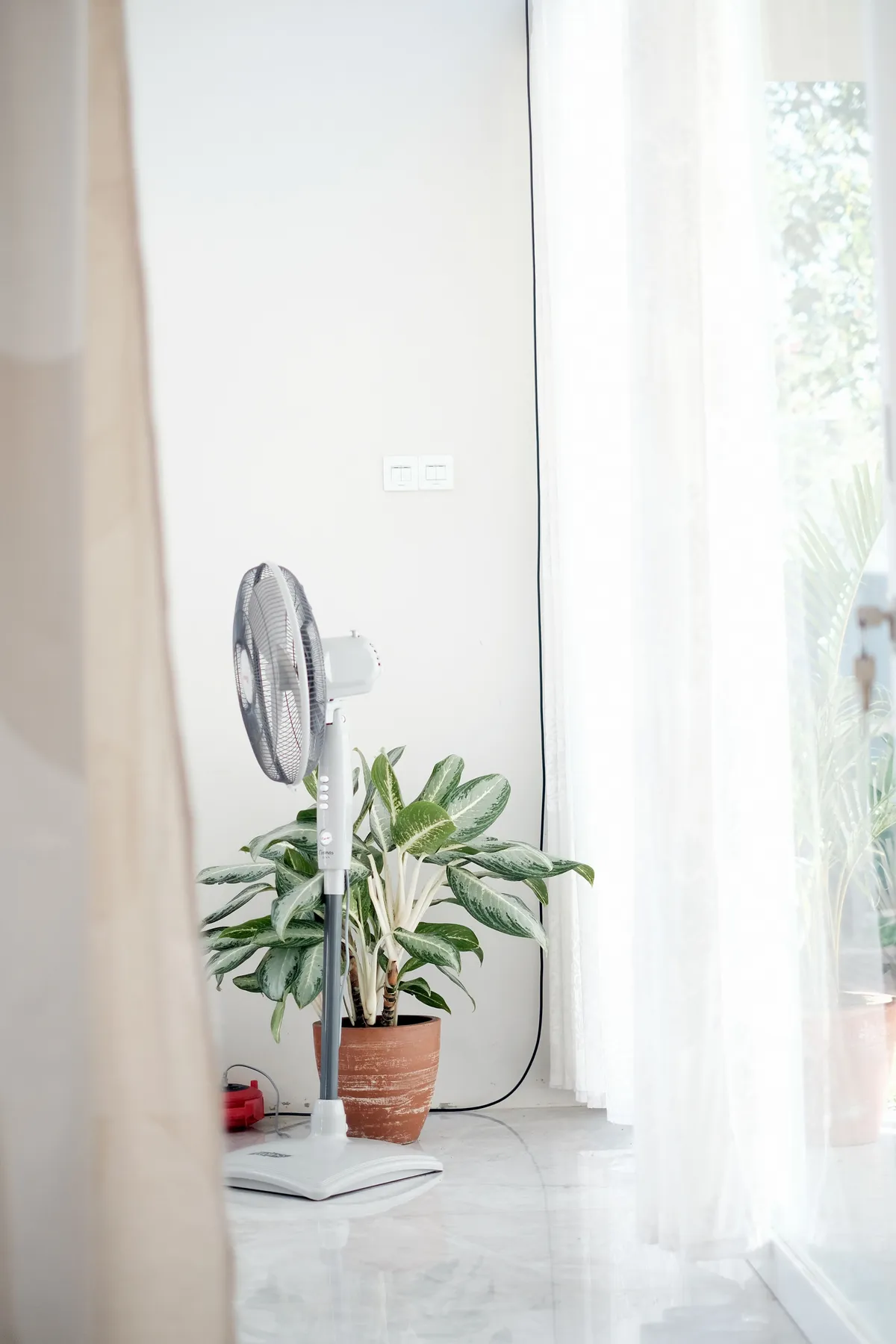
The most effective natural remedies target the heat itself: keep your bedroom cold (around 65°F), switch to breathable cotton or bamboo bedding, and cut evening alcohol, caffeine, and spicy food. Paced breathing helps too, and herbs like black cohosh may offer modest relief. None cure night sweats, but together they lower how often they wake you.
I genuinely thought I was ill. Waking near 2 a.m. with my nightshirt soaked through and my heart hammering, kicking the covers off — then shivering twenty minutes later in the cold damp of them. That was my welcome to night sweats. Nobody had warned me, and no single thing made them vanish.
What I've learned since is that there's no off-switch, but there is a lot you can stack up. This is the honest, practical list — what actually cools you down, what to stop doing in the evening, and which of the much-hyped herbs are worth trying (and which aren't). Let's make your nights a little less soggy.
Why do night sweats wreck your sleep during menopause?
Because they're a hot flash that ambushes you while you're asleep. As estrogen falls, your brain's internal thermostat becomes hypersensitive, misreading a tiny rise in body temperature as overheating. It triggers a sudden sweat to cool you down — drenching you, waking you, and spiking adrenaline that then makes falling back asleep hard.
That last part is the cruel twist. It isn't only the heat and the damp sheets. The flush comes with a jolt of adrenaline and often a racing heart, which is exactly the wrong chemistry for going back to sleep. So one night sweat can easily cost you an hour of lost sleep — and if it happens two or three times a night, the insomnia becomes its own exhausting problem.
That number surprises a lot of women, and I think it's important to say out loud: this isn't a two-week phase you can white-knuckle. It's worth building real habits around, because for most of us it's a chapter, not a moment.
What actually cools you down at night?
Cooling is your highest-leverage lever, because night sweats are fundamentally a heat problem. The goal is to give your oversensitive thermostat less to react to. Set the stage before bed and keep cooling tools within reach, so a flash is a minor interruption instead of a full wake-up.
- Set the bedroom to about 65°F (18°C). Colder than feels normal. Per the Sleep Foundation, a cool room is one of the strongest supports for staying asleep.
- Switch to breathable bedding and sleepwear — cotton, bamboo, or moisture-wicking fabrics. Skip synthetics and heavy fleece that trap heat.
- Layer, don't smother. Use a light sheet plus a thin blanket you can throw off, instead of one thick duvet.
- Keep a fan running for airflow, and a glass of cool water and a damp cloth on the nightstand.
- Consider a cooling mattress topper or pillow if flashes are frequent.
- Take a lukewarm (not hot) shower before bed so your core temperature is already drifting down.
Which evening habits make night sweats worse?
Some of the biggest wins come from subtraction, not addition. A handful of common evening habits pour fuel on hot flashes, and cutting them is free. Alcohol is the single biggest offender for most women — if you change only one thing, make it that.
- Alcohol — widens blood vessels and disrupts temperature control; the highest-impact trigger to cut.
- Caffeine after mid-afternoon — a known flash trigger, and it lingers longer in your system after 40.
- Spicy or very hot food and drinks in the evening.
- Large, late meals that raise your core temperature while you're trying to cool down.
- Hot baths right before bed — relaxing, but they warm your core at the wrong time.
- Smoking, which is linked to more frequent and severe hot flashes.
Do herbal remedies for night sweats actually work?
Some show modest promise; many are mostly marketing. The honest summary: no herb reliably stops night sweats the way people hope, but a few have enough evidence to be worth a careful try. Set expectations low, buy quality-tested products, and give any herb several weeks before you judge it.
| Herb / remedy | Evidence | Notes |
|---|---|---|
| Black cohosh | Mixed | The largest trials found no benefit over placebo; rare liver-safety reports — ask your doctor |
| Soy isoflavones | Modest | May help some women; works slowly over weeks |
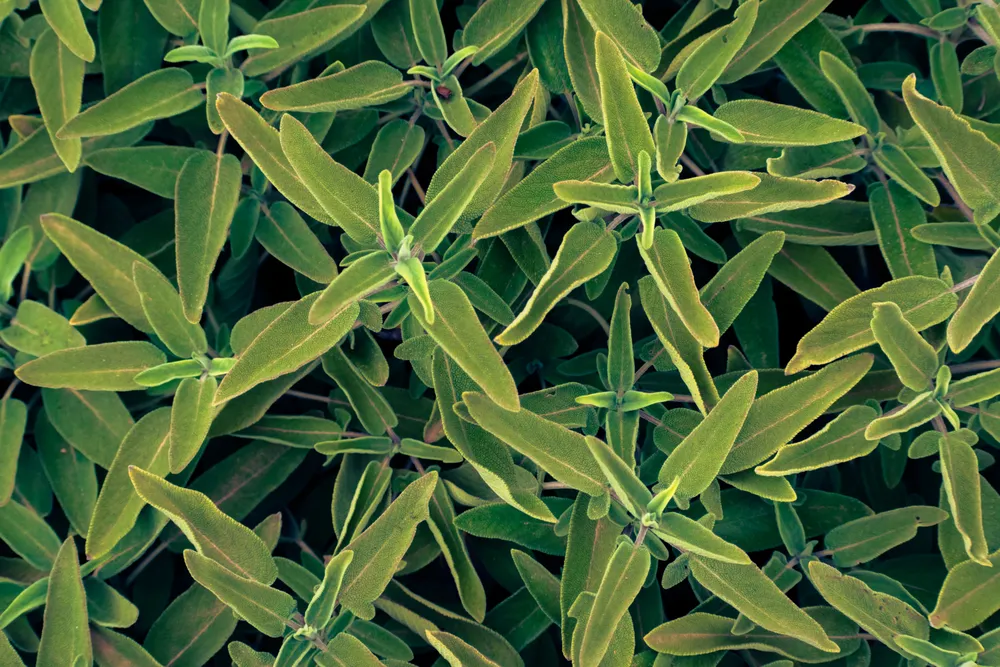
| Sage | Limited but promising | Small studies suggest fewer, milder flashes |
| Red clover | Weak / inconsistent | Another isoflavone source; results underwhelming |
| Evening primrose oil | Little to none | Popular, but the evidence doesn't back it |
One honest caveat on "natural": herbs are still active substances that can interact with medications and aren't tightly regulated. The National Center for Complementary and Integrative Health notes the evidence for most menopause herbs is limited and inconsistent — so treat them as experiments, not guarantees, and loop in your doctor.
What non-herbal natural approaches help?
Some of the best-supported natural remedies aren't things you swallow at all. They work by calming the nervous system and improving how your body handles heat and stress. They're free, they're safe, and the evidence behind several is stronger than for the herbs.
- Paced, slow breathing. Slow abdominal breathing (about 6 breaths a minute) at the start of a flash can blunt it and calm the adrenaline spike.
- Cognitive behavioral therapy (CBT). CBT reduces how much hot flashes bother you and treats the insomnia they cause — it's one of the best-evidenced non-drug options.
- Regular exercise and maintaining a healthy weight, both linked to fewer and milder vasomotor symptoms.
- Mindfulness and yoga, which lower stress reactivity and improve sleep quality.
You can't switch night sweats off — but you can lower the thermostat, remove the fuel, and calm the alarm. Stacked together, that's often the difference between a wet, wide-awake 2 a.m. and a quick cool-down back to sleep.
How long do night sweats last, and do they eventually stop?
For most women, yes — night sweats do fade, but not quickly. They tend to peak in late perimenopause and early postmenopause and then ease, though the median span is over seven years, and some women get occasional flashes for a decade or more. The natural remedies here are about living better in the meantime.
It helps to reframe this as weather, not a wall. The frequency and intensity usually rise, plateau, and then slowly decline as your body settles into its new postmenopausal baseline. A smaller group of women keep having occasional night sweats well into their 60s.
None of that is a reason to just grit your teeth and endure it: because this is a years-long chapter rather than a bad week, the small habits — a cold room, no evening wine, breathable sheets — compound into a lot of recovered sleep over time. If yours are clearly getting worse instead of better well after menopause, or started long after your periods stopped, mention that to your doctor.
When should you see a doctor about night sweats?
See a clinician if your night sweats are drenching, frequent, and wrecking your life, or if anything seems off. Most night sweats in midlife are menopause, but if they come with fever, unexplained weight loss, or don't fit the pattern, they deserve a check to rule out other causes like thyroid issues, infection, or medication effects.
It's also worth knowing your medical options, because "natural first" doesn't mean "natural only." Hormone therapy is the most effective treatment for hot flashes and night sweats, and there are effective non-hormonal prescription options too.
A menopause-informed clinician — ideally a NAMS-certified practitioner — can help you weigh them against the natural approaches here. The full picture of tiers and trade-offs is in our complete perimenopause and menopause sleep guide.
Where to go from here
Night sweats are one big piece of the midlife sleep puzzle, but rarely the only one. If a racing mind is also keeping you up, the calming route in our guide to the best magnesium for sleep during menopause pairs well with the cooling steps here. If your body clock feels off, see whether melatonin is the right tool for you. And when a sweat has already woken you, the step-by-step in how to fall back asleep at 3 a.m. gets you back down faster.
Key takeaways
- Night sweats wreck sleep by jolting you awake hot and damp, often several times a night.
- Cooling the room, the bedding, and your sleepwear is the most reliable natural fix.
- Evening triggers — alcohol, caffeine, spicy food, and stress — make night sweats worse.
- Some herbal remedies help certain women, but the evidence is mixed and they aren't a cure.
- Night sweats ease for most women over time; see a doctor if they're severe or paired with other symptoms.
Frequently asked questions
What is the fastest way to cool down during a night sweat?
Kick off the covers, sip cool water, and aim a fan at yourself. A cool, damp cloth on the back of your neck or your wrists cools you quickly because blood runs close to the skin there. Then try slow, paced breathing and let your body cool completely before settling back down.
Does black cohosh really work for night sweats?
The evidence is mixed. Some women get modest relief and some studies are positive, but larger reviews are inconsistent, so it's not a guaranteed fix. There have also been rare reports of liver problems, so use a quality-tested product and talk to your doctor first, especially if you have liver issues.
What should I wear to bed to reduce night sweats?
Choose loose, breathable natural fibers like cotton or bamboo, or purpose-made moisture-wicking sleepwear. Dress in light layers you can shed in the night rather than one heavy garment. Avoid synthetics and heavy fleece, which trap heat and hold moisture against your skin.
Can changing my diet reduce menopause night sweats?
Often, yes. Cutting evening alcohol, caffeine, and spicy or very hot food is the highest-impact change, since all three can trigger flashes. Soy foods may modestly help some women. Staying hydrated and avoiding large late meals helps too. There's no magic food, but the evening triggers are worth removing.
When are night sweats a sign of something more serious?
See a doctor if night sweats are drenching and come with fever, unexplained weight loss, or don't fit the menopause picture. Rarely, night sweats can signal infection, thyroid problems, medication side effects, or other conditions. When in doubt, get it checked — it's usually menopause, but it's worth ruling out.
Sources cited
- The North American Menopause Society (NAMS). Hot Flashes and Nonhormonal Management. menopause.org
- Study of Women's Health Across the Nation (SWAN). Duration of vasomotor symptoms. swanstudy.org
- National Center for Complementary and Integrative Health (NCCIH). Menopausal Symptoms: In Depth. nccih.nih.gov
- Sleep Foundation. The Best Temperature for Sleep. sleepfoundation.org
Ellen Hayes
Health & Wellness Writer and Researcher
Hi — I'm Ellen. If you're reading this at some ungodly hour because your brain flipped on at 3 a.m. and won't shut off… I get it. I'm right there with you. I'm somewhere in the middle of midlife, deep in perimenopause, and lately sleep and I have a complicated relationship.
I'm not a doctor. I'm not an expert — and I'm never going to talk down to you like one. I'm just a woman who got tired of vague answers ("it's just your age," "try to relax") and decided to actually read the research myself. Then I write it down here, in plain English, the way I'd explain it to a friend over coffee. More about Ellen →