Diphenhydramine (Benadryl) for Menopause Sleep: The Evidence
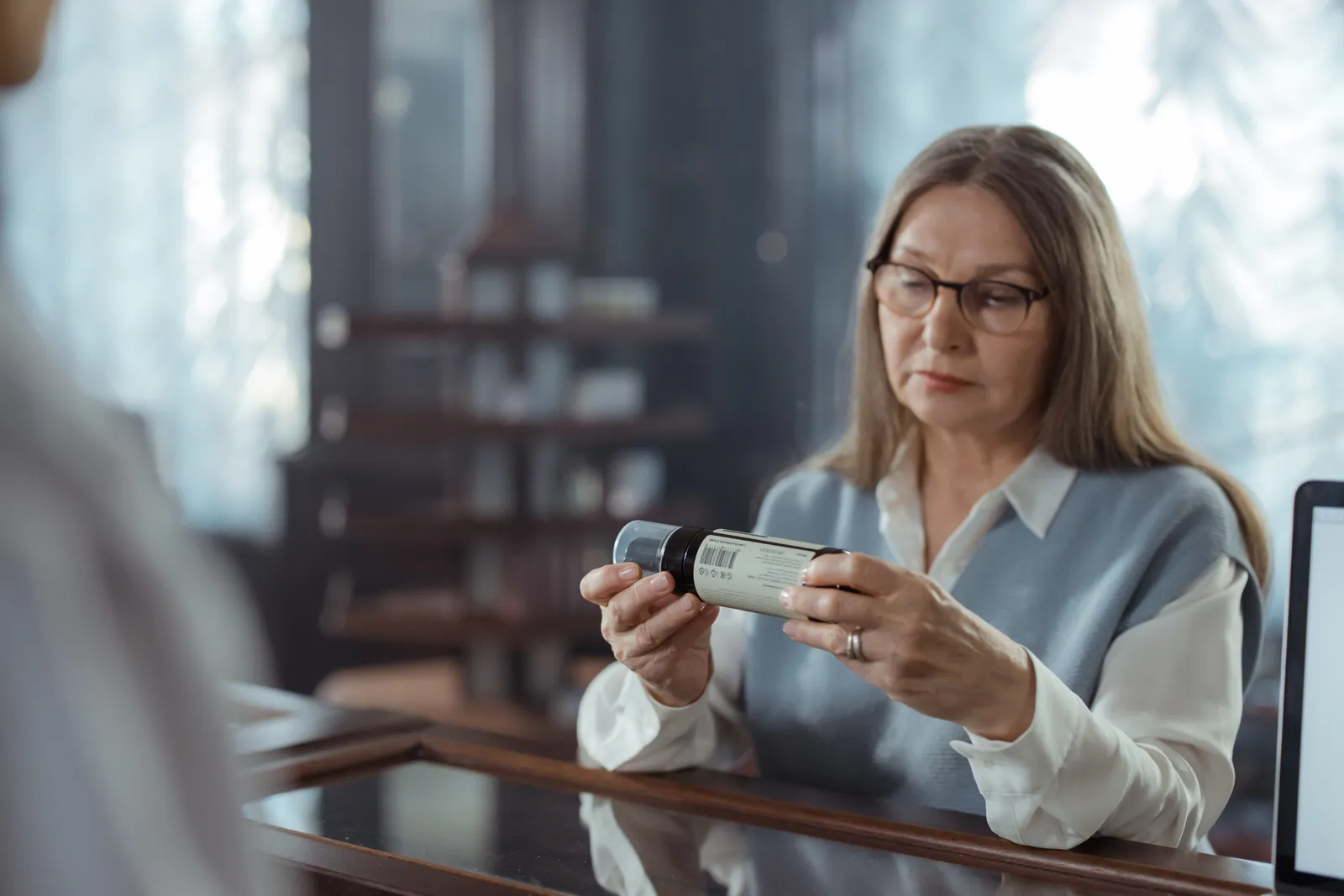
It is 3 a.m., you're awake again, and the allergy pill in the bathroom cabinet is supposed to make people drowsy. If it's Benadryl, its active ingredient is diphenhydramine, the same drug sold as ZzzQuil and as the "PM" in Tylenol PM.
I read the Drug Facts labels, MedlinePlus, the sleep medicine guideline and the geriatric safety list to find out what diphenhydramine actually does for sleep, and what changes once you're 45 or older. I'm not a doctor; this is what the sources say.
Diphenhydramine is a sedating antihistamine sold over the counter for occasional sleeplessness. The sleep medicine guideline found its sleep gains too small to matter and suggests not using it for insomnia. Tolerance can build within days, and its anticholinergic effects (dry mouth, trouble urinating, confusion) matter more with age.
What is diphenhydramine, and which sleep products contain it?
Diphenhydramine is a first-generation antihistamine, an older kind of allergy medicine that causes drowsiness. MedlinePlus says it is used for allergy and cold symptoms and is "also used to treat insomnia (difficulty falling asleep or staying asleep) in adults." The drowsiness is a side effect that the sleep products turn into the selling point.
Because it appears under many names, it is easy to take twice without realizing. Here is what I found on the labels I could open:
| Product | Diphenhydramine | What else is in it | Label directions (adults) |
|---|---|---|---|
| ZzzQuil LiquiCaps | 25 mg per LiquiCap | Nothing else active | 2 LiquiCaps at bedtime if needed, once per 24 hours |
| Vicks ZzzQuil liquid | 50 mg per 30 mL dose cup | Nothing else active | 30 mL at bedtime if needed, once per 24 hours |
| Tylenol PM Extra Strength | 25 mg per caplet | Acetaminophen 500 mg | 2 caplets at bedtime, no more than 2 in 24 hours |
| Unisom SleepMelts and SleepMinis | 25 mg per unit | Nothing else active | See our Unisom article |

Two points on those labels are worth underlining. The Tylenol PM label says not to use it "with any other product containing diphenhydramine, even one used on skin," and warns of severe liver damage with more than 4,000 mg of acetaminophen in 24 hours or with other acetaminophen products. Other "PM" pain relievers and allergy pills can contain the same ingredients.
Benadryl is the allergy brand: its Drug Facts list diphenhydramine HCl with the purpose "Antihistamine," and the Extra Strength Liqui-Gels contain 50 mg per capsule, taken every 4 to 6 hours for allergies. Don't treat an allergy dose as a sleep dose without asking a pharmacist.
Does diphenhydramine actually help you sleep?
Diphenhydramine helps a little at best. When the American Academy of Sleep Medicine reviewed the trials for its 2017 guideline, every sleep measure for diphenhydramine 50 mg fell below the threshold for a clinically significant benefit. It suggests clinicians not use diphenhydramine for sleep-onset or sleep-maintenance insomnia, a weak recommendation.
In the two trials that asked people how they slept, the difference from placebo was about 2.5 minutes faster to fall asleep and about 18 minutes more total sleep. The guideline rated the overall quality of this evidence as low because of imprecision and possible publication bias.
There is a fair counterpoint. A 2025 expert consensus paper in the Journal of Clinical Medicine concluded that diphenhydramine is an effective option for acute, short-term insomnia in adults. I could read only its abstract, and it is a consensus of experts, not a new trial. It also says "acute," which is a different situation from the weeks of broken sleep that many of us have in menopause.
The labels set the same limits. The ZzzQuil label says it is "for the relief of occasional sleeplessness" and that it "reduces time to fall asleep." None of the labels I opened mention menopause, hot flashes or night sweats.
Can you build a tolerance to diphenhydramine for sleep?
Yes, and the evidence says it can happen within days. In a 2002 randomized crossover study of 15 healthy men aged 18 to 50, diphenhydramine 50 mg twice a day made them sleepier than placebo on day 1, but by day 4 the sleepiness was indistinguishable from placebo. The authors called the speed of tolerance "remarkable."
Please read that study for what it is. It measured daytime sleepiness after twice-a-day doses in 15 young and middle-aged men, not bedtime sleep in women. It cannot tell us how fast tolerance happens for one dose a night in a 52-year-old woman. But it matches the 2023 Beers Criteria, which list tolerance "when used as hypnotic" as one reason to avoid first-generation antihistamines.
If the sleepy effect fades and you take more to get it back, you take on the side effects without the benefit. That cycle is a good reason to stop at "occasional," as the labels say.
Has diphenhydramine been tested for menopause insomnia?
I could not find a trial of diphenhydramine for sleep in perimenopausal or postmenopausal women. I searched Europe PMC for diphenhydramine and antihistamines with menopause and insomnia terms, and nothing relevant came up. That is a limit of my search, not proof that none exists, but it means there is no direct evidence for women in midlife.
That matters because menopause insomnia often has a cause an antihistamine does not touch. If hot flashes and night sweats wake you, a sedative may make you groggier without stopping the waking. Our hot flashes guide and HRT for menopause insomnia article cover treatments aimed at the cause.
The labels point the same way. Each one I opened says to stop use and ask a doctor if sleeplessness persists continuously for more than 2 weeks, adding that insomnia "may be a symptom of a serious underlying medical illness." In midlife, that list can include sleep apnea, which the sleep-aid labels do not screen for.
Does diphenhydramine cause a next-day hangover?
Many people describe a groggy morning after diphenhydramine, but I could not open a trial that measured next-morning effects after a bedtime dose, so I can't give you a number. What I can show is the driving study and the labels, both of which treat impairment as real and underrated.
In a 2000 trial in the Iowa Driving Simulator, 40 licensed drivers took diphenhydramine 50 mg, alcohol (about 0.1% blood alcohol), fexofenadine or placebo before driving for an hour. Diphenhydramine produced the poorest driving performance, worse than alcohol on the main measure. Self-reported drowsiness did not predict who was impaired.
The limits are real: the drivers were 25 to 44 and had seasonal allergies, the dose was 50 mg, and it was a simulator. It does not tell you how you will feel at 7 a.m. after a bedtime dose. But it supports the label advice: the Tylenol PM label says "drowsiness will occur" and "do not drive a motor vehicle or operate machinery," and MedlinePlus says to wait until you know how it affects you.
What are the anticholinergic risks after 45?
"Anticholinergic" means the drug blocks acetylcholine, a messenger the body uses for memory, bladder control, digestion and saliva. The 2023 Beers Criteria describe first-generation antihistamines as "highly anticholinergic" and list the risks as confusion, dry mouth, constipation and other anticholinergic effects. They recommend avoiding them, with strong recommendation and moderate-quality evidence.
The Beers Criteria are written for adults 65 and older, but the panel adds that cumulative exposure to anticholinergic drugs is associated with an increased risk of falls, delirium, and dementia "even in younger adults," and urges caution in the "young-old" as well as the "old-old." It also tells clinicians to consider total anticholinergic burden when reviewing medicines.
That last phrase matters if you take several things. Diphenhydramine is not the only anticholinergic on the shelf; some bladder medicines and other older drugs add to the same load. Your pharmacist can look at your whole list.
Urinary problems
MedlinePlus lists difficulty urinating due to an enlarged prostate as a reason to tell your doctor before use, and "difficulty urinating or painful urination" among side effects to report right away. The sleep-aid labels name the same prostate problem, which women don't have. The Beers entry on urinary retention is likewise written for men. But trouble emptying the bladder can happen to anyone, and it is worth knowing if you already wake up to pee, as in our guide to night-time bathroom trips.
Glaucoma and vision
The ZzzQuil and Tylenol PM labels both say to ask a doctor before use if you have glaucoma, and MedlinePlus says the same, adding that vision problems are a serious side effect to report. If you have eye pressure problems, the question for your eye doctor is simple: is a drug like this safe for me?
Does diphenhydramine raise dementia risk?
The honest answer is that nobody has shown that diphenhydramine causes dementia, but a large study found an association with heavy, long-term use of strong anticholinergics. In a Seattle cohort of 3,434 adults aged 65 and older, followed for an average of 7.3 years, more cumulative use meant more dementia, even after adjustment.
Three limits. It was an observational study, so it can't prove cause. It grouped many strong anticholinergics, not diphenhydramine alone. And the participants were 65 and older, so it doesn't tell us about an occasional sleep aid at 50. What it does say is that a long run of nightly use is the pattern to avoid. The authors called for clinicians and older adults to be more aware of this risk.
Who should not take diphenhydramine for sleep?
Several groups should not take diphenhydramine for sleep without a clinician's say-so. The labels and MedlinePlus point to anyone with glaucoma, an enlarged prostate or trouble urinating, lung disease such as emphysema or chronic bronchitis, anyone taking sedatives or tranquilizers, children, and adults 65 or older, where MedlinePlus says it generally should not be used.
- Age 65 and older: MedlinePlus says "generally diphenhydramine should not be used in older adults, except to manage serious allergic reactions," and the Beers Criteria say to avoid it, noting that tolerance develops when it is used as a sleep aid.
- Dementia, memory problems or delirium: the Beers Criteria list anticholinergics, which include diphenhydramine, as drugs to avoid in people with dementia or cognitive impairment, and in those with or at high risk of delirium.
- Glaucoma or lung disease: the labels say to ask a doctor first if you have glaucoma, emphysema or chronic bronchitis.
- Liver disease or daily heavy drinking: relevant for Tylenol PM and other "PM" products with acetaminophen, whose label lists liver disease and warns about 3 or more alcoholic drinks every day.
- Taking warfarin: the Tylenol PM label asks you to check with a doctor or pharmacist first.
- Pregnant or breastfeeding: the ZzzQuil label says to ask a health professional before use. Pregnancy is still possible in perimenopause, as our perimenopause pregnancy guide explains.
- Anyone who has had an allergic reaction to an ingredient, per the Tylenol PM label.
What are the side effects of diphenhydramine?
MedlinePlus lists the common side effects of diphenhydramine as dry mouth, nose and throat, drowsiness, dizziness, muscle weakness and, especially in children, excitement. Tell your doctor if they are severe or don't go away. The serious ones include vision problems and difficulty or pain when urinating, and MedlinePlus says to call your doctor right away if they occur.
Two practical notes. First, "drowsiness will occur" is on the Tylenol PM label, so it is expected, not a sign something is wrong. Second, many of these effects, such as dry mouth and constipation, are the anticholinergic ones described above, and they are more likely to bother you if you already have them from other medicines.
MedlinePlus also says that in case of overdose you should call poison control at 1-800-222-1222, and call 911 if the person has collapsed, had a seizure, has trouble breathing or can't be awakened. That applies to doubling up on products that contain the same ingredient.
Can you mix diphenhydramine with alcohol or other sedatives?
You shouldn't without asking a pharmacist. The ZzzQuil and Tylenol PM labels say to avoid alcoholic drinks while using them, and MedlinePlus says alcohol can add to the drowsiness. Both labels also say to ask a doctor or pharmacist before use if you take sedatives or tranquilizers, which can include prescription sleeping pills and some anxiety medicines.
Alcohol is its own sleep problem in midlife, as our alcohol and menopause sleep article explains. Add a sedating antihistamine and you stack two things that can fragment sleep and slow your reactions.
If a prescription sleeping medicine is on your list, the same caution applies to it. See our articles on temazepam and hydroxyzine, another sedating antihistamine that carries its own warnings, before layering one drug on another.
When should you talk to your doctor about diphenhydramine?
Talk to your doctor if sleeplessness continues for more than 2 weeks, since the labels say to stop use and ask a doctor in that case. The labels add that insomnia may be a symptom of serious underlying medical illness. Several other situations are worth a call or a pharmacist visit, listed here as the labels and MedlinePlus describe them.
- You've needed it most nights for more than 2 weeks, or you need more than the label dose to feel its effect.
- You have glaucoma, lung disease, liver disease or trouble urinating.
- You are taking sedatives, tranquilizers, warfarin or several medicines that cause dry mouth or constipation.
- You notice vision problems, difficulty or pain with urination, confusion or memory slips while taking it.
- You're 65 or older, or caring for someone who is, and MedlinePlus says to talk to the doctor about risks and benefits.
- You are pregnant, could be pregnant or are breastfeeding.
- You wake up with night sweats, loud snoring or gasping, or a racing heart, which can point to causes a sleep aid won't fix.
Get urgent help after an overdose or if someone collapses, has a seizure, has trouble breathing or can't be awakened. MedlinePlus says to call 911 in those cases, and poison control at 1-800-222-1222 for an overdose.
What do sleep doctors recommend instead of diphenhydramine?
Sleep doctors recommend cognitive behavioral therapy for insomnia (CBT-I) first. The 2017 American Academy of Sleep Medicine guideline says all patients with chronic insomnia should receive CBT-I as a primary intervention. It works on the habits and thoughts that keep insomnia going, and it does not depend on taking anything at night.
If CBT-I isn't enough, or isn't available where you live, there are other medicines with more evidence behind them in the guideline than diphenhydramine. Our sleeping pills for menopause insomnia article compares them side by side. Two of the options we've covered are low-dose doxepin and hydroxyzine, and Unisom sorts out the doxylamine-versus-diphenhydramine confusion.

Start with our CBT-I guide for menopause insomnia. If your main problem is hot flashes or waking to pee, treating those can do more for your sleep than any sedative.
Where to go from here
If you're awake right now, try how to fall back asleep at 3 a.m. If brain fog is part of your day, read brain fog and sleep in menopause. For the bigger picture, our complete perimenopause and menopause sleep guide puts it all in one place.
Key takeaways
- Small benefit: the 2017 sleep guideline found every sleep gain from diphenhydramine 50 mg below its clinical threshold and suggests clinicians not use it for insomnia.
- Tolerance is fast: in one small study of 15 men, the sleepiness was gone by day 4 of twice-daily dosing.
- No menopause trials found: I found no study of diphenhydramine for sleep in midlife women.
- The risks are anticholinergic: dry mouth, trouble urinating, vision problems and confusion; the Beers Criteria say to avoid it in older adults, and MedlinePlus says generally not after 65.
- Check every label: ZzzQuil, Tylenol PM, Unisom and many "PM" products contain it; don't double up, and avoid alcohol and sedatives without asking a pharmacist.
- See a doctor after 2 weeks: persistent sleeplessness can be a sign of another problem, and CBT-I is the first-line treatment.
Frequently asked questions
Does Benadryl help you sleep in menopause?
Probably only a little, and no trial I found tested it in menopausal women. The 2017 American Academy of Sleep Medicine guideline reviewed diphenhydramine 50 mg and found every sleep gain below its threshold for clinical significance. It suggests clinicians not use diphenhydramine for insomnia, a weak recommendation based on low-quality evidence.
Is diphenhydramine the same as Benadryl, ZzzQuil and Tylenol PM?
It is the active ingredient in all three. ZzzQuil's label lists diphenhydramine HCl as its only active ingredient, and Tylenol PM adds 500 mg of acetaminophen to 25 mg of diphenhydramine per caplet. Benadryl is better known as an allergy brand. Always read the "Active ingredient" line, because many "PM" and "nighttime" products contain it.
Can you build a tolerance to diphenhydramine for sleep?
Yes, and quickly. In a small 2002 study of 15 healthy men taking 50 mg twice a day, daytime sleepiness on diphenhydramine matched placebo by day 4. The authors concluded that tolerance to the sedation develops "with remarkable rapidity." The study was not in women or in bedtime-only use, so it is a signal, not a rule.
Is diphenhydramine safe to take every night after 45?
The labels say it is for occasional sleeplessness and tell you to stop and ask a doctor if sleeplessness lasts more than 2 weeks. The 2023 Beers Criteria advise older adults to avoid it, and MedlinePlus says it generally should not be used in adults 65 and over. There is no label or guideline that supports nightly use.
Can you take diphenhydramine with alcohol or other sedatives?
The labels say to avoid alcoholic drinks, and MedlinePlus says alcohol can add to the drowsiness. ZzzQuil and Tylenol PM labels also tell you to ask a doctor or pharmacist before use if you take sedatives or tranquilizers. In practice, that includes prescription sleeping pills and anxiety medicines, so ask your pharmacist before combining.
Does diphenhydramine cause dementia?
It has not been proven to. A large cohort of adults 65 and older found that higher cumulative use of strong anticholinergic drugs was associated with more dementia, with a hazard ratio of 1.54 in the highest-use group. That kind of study shows an association, not cause, and it was not specific to diphenhydramine or to women in midlife.
Sources cited
- Benadryl Allergy Extra Strength Liqui-Gels (diphenhydramine HCl 50 mg) Drug Facts. Kenvue Brands LLC (openFDA; label version of December 3, 2025). api.fda.gov
- MedlinePlus. Diphenhydramine. National Library of Medicine, National Institutes of Health. medlineplus.gov
- TYLENOL PM Extra Strength (acetaminophen and diphenhydramine HCl) Drug Facts. Kenvue Brands LLC (DailyMed; label updated July 22, 2026). dailymed.nlm.nih.gov
- ZzzQuil (diphenhydramine HCl) LiquiCaps Drug Facts (DailyMed; label version of November 2024). dailymed.nlm.nih.gov
- Vicks ZzzQuil Nighttime Sleep-Aid liquid, Drug Facts (DailyMed; label version of September 2026). dailymed.nlm.nih.gov
- Sateia MJ, Buysse DJ, Krystal AD, Neubauer DN, Heald JL. Clinical practice guideline for the pharmacologic treatment of chronic insomnia in adults: an American Academy of Sleep Medicine clinical practice guideline. J Clin Sleep Med. 2017;13(2):307-349. pmc.ncbi.nlm.nih.gov
- 2023 American Geriatrics Society Beers Criteria Update Expert Panel. American Geriatrics Society 2023 updated AGS Beers Criteria for potentially inappropriate medication use in older adults. J Am Geriatr Soc. 2023;71(7):2052-2081. pmc.ncbi.nlm.nih.gov
- Richardson GS, Roehrs TA, Rosenthal L, Koshorek G, Roth T. Tolerance to daytime sedative effects of H1 antihistamines. J Clin Psychopharmacol. 2002;22(5):511-515. pubmed.ncbi.nlm.nih.gov
- Gray SL, Anderson ML, Dublin S, et al. Cumulative use of strong anticholinergic medications and incident dementia: a prospective cohort study. JAMA Intern Med. 2015;175(3):401-407. pmc.ncbi.nlm.nih.gov
- Weiler JM, Bloomfield JR, Woodworth GG, et al. Effects of fexofenadine, diphenhydramine, and alcohol on driving performance: a randomized, placebo-controlled trial in the Iowa Driving Simulator. Ann Intern Med. 2000;132(5):354-363. pubmed.ncbi.nlm.nih.gov
- Ariza-Salamanca DF, Venegas M, Parejo K, et al. Expert consensus on the use of diphenhydramine for short-term insomnia: efficacy, safety, and clinical applications. J Clin Med. 2025;14(10):3297. pmc.ncbi.nlm.nih.gov
How this article was checked
Label wording (Tylenol PM, ZzzQuil) comes from the current Drug Facts via DailyMed and openFDA, and the MedlinePlus statements from its diphenhydramine page. The AASM guideline figures and the Beers Criteria entries were read in the full text. The Richardson, Gray and Weiler studies and the 2025 expert consensus were read as abstracts only. The Benadryl Liqui-Gels label was read through openFDA. I found no menopause-specific trial.
It has not been reviewed by a clinician. Ellen Hayes is a researcher and writer, not a doctor, and nothing here is a diagnosis or a substitute for being seen by one.

Ellen Hayes
Health & Wellness Writer and Researcher
Hi — I'm Ellen. I'm not a doctor. For this one I read the Drug Facts labels, the sleep guideline and the geriatric safety list, and summarized what they say.
I'm not a doctor. I'm not an expert — and I'm never going to talk down to you like one. I'm a woman in the middle of perimenopause who got tired of vague answers, started reading the actual research, and writes it down here in plain English, the way I'd explain it to a friend over coffee. More about Ellen →