Waking Up to Pee at Night in Menopause: Why It Happens and What Helps
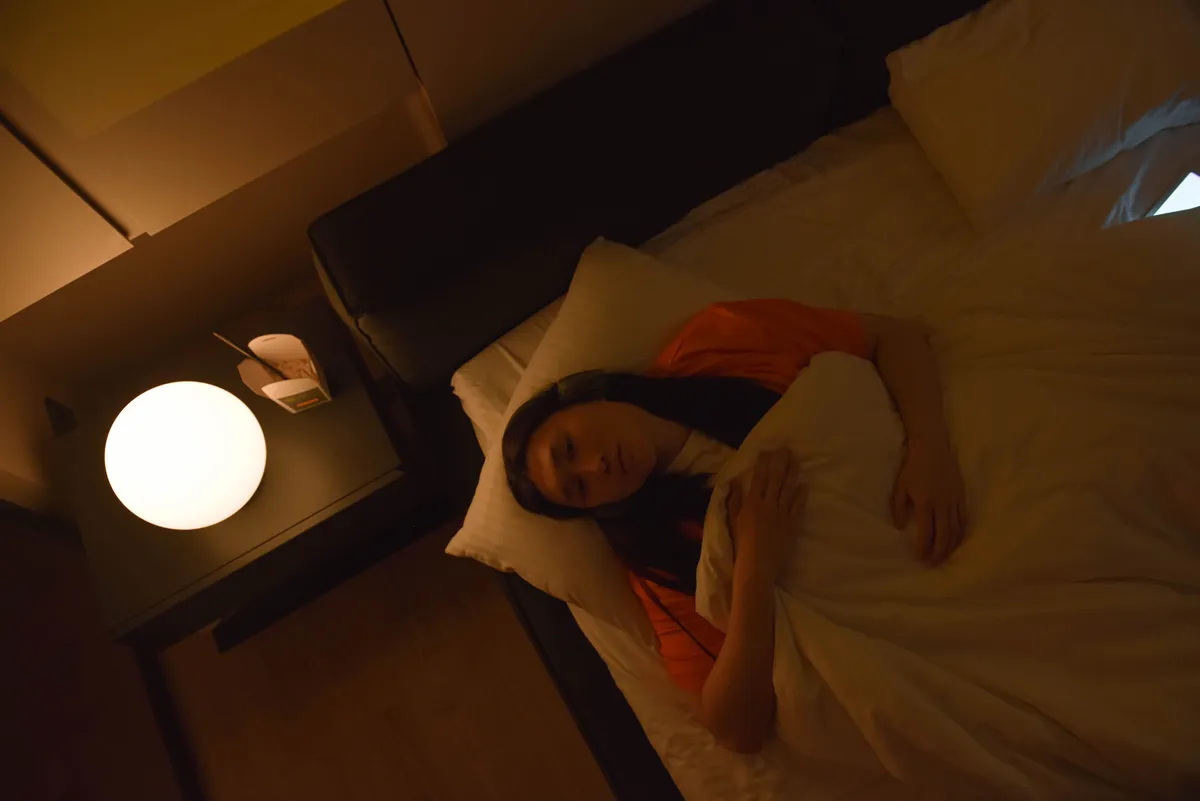
Waking to pee at night in menopause is part hormonal, part sleep-driven: falling estrogen weakens bladder tissue, while insomnia and hot flashes wake you for other reasons and you then notice the urge. Shift fluids earlier and cut evening caffeine and alcohol. See a doctor if it's twice a night or new.
For the longest time, I told myself I was waking up because I needed the bathroom. It seemed obvious — bladder full, up you get. It took me a while to notice something strange: I'd wake at almost the same time each night, and only then feel the urge. The bathroom wasn't the alarm. It was the excuse.
That distinction turned out to matter enormously, because it changed what actually fixed it. If you're up once, twice, sometimes three times a night and blaming your bladder, this one's for you — the hormonal side, the sleep side, and the surprisingly practical things that help.
Why do you suddenly wake up to pee at night during menopause?
Because estrogen keeps your bladder healthy, and it's leaving. As levels fall, the bladder and urethral tissues thin and weaken, the bladder holds less before signaling "full," and it can become more overactive. Layer menopausal insomnia on top, and you wake for other reasons, then feel the urge once you're already conscious.
There are really three threads braided together:
- Tissue changes. Estrogen receptors line the bladder and urethra. Less estrogen means thinner, less elastic tissue and a bladder that feels full sooner.
- An overactive bladder. The same hormonal shift makes the bladder muscle more prone to sending urgent signals, even when it isn't truly full.
- The sleep connection. A hot flash or a bout of menopausal insomnia wakes you first; being awake, you register the mild urge and get up — which then fully wakes you.
There's also a plumbing factor that has nothing to do with hormones: fluid that pools in your legs during the day gets reabsorbed once you lie down flat, and your kidneys quietly turn it into urine overnight. It's a big part of why swollen ankles by evening so often mean extra bathroom trips by 3 a.m. — and why simply putting your feet up for a while before bed can make a real difference.

Is nocturia normal in perimenopause and menopause?
It's extremely common — but common isn't the same as "just live with it." Waking to urinate two or more times a night has a name, nocturia, and it becomes far more frequent around and after menopause. It's one of the most under-mentioned reasons midlife women lose sleep, precisely because it feels too ordinary to raise.
The reason it matters so much for sleep is timing. These wake-ups cluster in the second half of the night, exactly when menopausal sleep is already lightest and most fragile. One trip can cost you far more than the two minutes it takes, because of how hard it is to drop back off afterward.
Is it your bladder, or is it the insomnia?
Honestly, it's usually both, and untangling them is the key move. Sometimes a genuinely full bladder wakes you. Just as often, a hot flash or anxious 3 a.m. wake-up rouses you first, and the bathroom is simply what you do while you're up. Which one leads changes the whole approach.
A simple way to tell: for a week, notice what you're aware of first when you wake. Bursting bladder that clearly dragged you up? That points to the bladder. Awake, warm, or mind racing — and the urge is mild, more "well, while I'm up"? That points to the 3 a.m. wake-up pattern or night-time anxiety, with the bladder as a passenger. If sleep is the driver, treating the sleep does more than any bladder trick.
What can you do tonight to pee less at night?
Shift when you drink and cut what irritates the bladder. You don't need to dehydrate yourself — you need to move most of your fluid earlier and remove the two biggest night-time bladder triggers. These changes are free and often work within a few days.
- Front-load your fluids. Drink well through the day, then taper in the last two to three hours before bed.
- Cut evening caffeine and alcohol. Both irritate the bladder and increase urine production — more on caffeine and alcohol and menopausal sleep.
- Empty fully at bedtime. Go right before bed, wait a moment, and try again (“double voiding”).
- Elevate your legs in the evening. If your ankles swell during the day, propping your legs up before bed helps clear that fluid earlier, rather than at 3 a.m.
- Keep the room cool. Fewer hot flashes means fewer wake-ups that end in a bathroom trip. See how to stay cool at night.
Should you drink less water in the evening?
Shift it, don't slash it. Severe fluid restriction backfires — it can leave you dehydrated, which concentrates urine and irritates the bladder, and it makes you gulp a big drink late out of thirst. The goal is a gentle evening taper, not a drought, while staying properly hydrated by day.
A pattern that works for most women: drink normally until dinner, have a modest amount with the evening meal, and keep only small sips after that. If you take medications at night, a few sips to swallow them is fine. And if you're waking parched from night sweats, that's a cue to cool the room and manage the flashes — not to drink a full glass at 2 a.m.

When is waking to pee a sign of something else?
When it's frequent, sudden, or comes with other symptoms. Menopausal changes explain a lot, but not everything — and a few causes need their own treatment. Get checked if the pattern is new, worsening, or paired with any of the warning signs below.
- Burning, urgency, or cloudy urine — possible urinary tract infection. This site's piece on menopause and UTIs covers why they become more common at this age and what actually treats it.
- Leaking or strong, sudden urges in the day too — possible overactive bladder, which is treatable.
- Excessive thirst and frequent urination — worth screening for blood sugar issues.
- Loud snoring, gasping, or unrefreshing sleep — sleep apnea can drive night-time urination, and it becomes more common in women after menopause.
How do you get back to sleep after a bathroom trip?
Protect the trip from becoming a full wake-up. Most of the sleep you lose to nocturia isn't the two minutes in the bathroom — it's the 40 minutes of lying awake afterward. Keep the whole thing dim, boring, and clock-free, so your brain barely registers it.
- Use the dimmest light possible. A low nightlight, not the overhead. Bright light tells your brain it's morning and shuts down melatonin.
- Don't check the clock or your phone. The arithmetic-panic loop is what keeps you up, not the bladder.
- Keep warm and get back quickly. Cooling down and lingering both wake you further.
- If you're wide awake after 20 minutes, use the full 3 a.m. protocol rather than lying there frustrated.
The bathroom trip is rarely the thief. The thief is the bright light, the cold floor, and the clock you shouldn't have looked at — all of which you can remove tonight.
And if you have a bedtime drink you would rather not give up, you probably do not have to — what to drink before bed in menopause works through how to keep the ritual and move it early enough to stop costing you a trip.
Where to go from here
If your night-time wake-ups end at the bathroom but start somewhere else, treating the sleep is the real lever. Start with the complete perimenopause and menopause sleep guide for the full picture. If you tend to wake in the small hours, the 3 a.m. wake-up protocol is your companion piece, and cutting that evening glass of wine is often the single fastest way to reduce the trips.
Key takeaways
- Waking to pee, called nocturia, becomes common in menopause as falling estrogen weakens bladder and pelvic tissues.
- It's very common in midlife, but common doesn't mean you simply have to accept it.
- Often it's really insomnia — you wake for another reason and notice a full bladder — not the bladder waking you.
- Cutting evening fluids, alcohol, and caffeine, and emptying your bladder fully before bed, can reduce trips.
- Frequent nocturia can signal other issues, so mention it to your doctor if it persists.
Frequently asked questions
Why do I suddenly wake up to pee at night during menopause?
Falling estrogen thins and weakens the bladder and urethral tissues, shrinks how much your bladder comfortably holds, and can make it more overactive. At the same time, menopausal insomnia wakes you for other reasons, and once you're awake you notice the urge and go. So it's often part hormones, part disrupted sleep.
Is it normal to wake up to pee once or twice a night after 50?
Waking once a night is very common and usually not a medical concern on its own. Two or more times most nights is called nocturia and is worth addressing, because it fragments your sleep. It becomes very common around and after menopause, but common doesn't mean you have to just accept it.
Should I stop drinking water in the evening?
Don't cut fluids drastically, but do shift them earlier. Aim to taper drinking in the two to three hours before bed, and cut evening caffeine and alcohol, which both irritate the bladder and increase urine. Stay well hydrated during the day so you're not overcompensating with a big drink at night.
Is waking to pee a bladder problem or a sleep problem?
Often both, tangled together. Sometimes a full bladder wakes you; just as often, a hot flash or menopausal insomnia wakes you first and the bathroom trip follows. Untangling which comes first matters, because if poor sleep is the driver, treating the sleep reduces the night-time trips more than anything bladder-focused.
When should I see a doctor about waking up to pee?
See a clinician if you wake two or more times most nights, if it started suddenly, or if there's burning, urgency, leaking, or thirst. These can point to a urinary tract infection, overactive bladder, diabetes, or sleep apnea, which draws fluid off overnight. A quick check rules out causes that need their own treatment.
Sources cited
- Sleep Foundation. Nocturia and Sleep. sleepfoundation.org
- The North American Menopause Society (NAMS). Genitourinary syndrome of menopause. menopause.org
- National Institute of Diabetes and Digestive and Kidney Diseases (NIDDK). Bladder health. niddk.nih.gov
- Cleveland Clinic. Nocturia: Causes and Treatment. clevelandclinic.org

Ellen Hayes
Health & Wellness Writer and Researcher
Hi — I'm Ellen. If you're reading this at some ungodly hour because your brain flipped on at 3 a.m. and won't shut off… I get it. I'm right there with you. I'm somewhere in the middle of midlife, deep in perimenopause, and lately sleep and I have a complicated relationship.
I'm not a doctor. I'm not an expert — and I'm never going to talk down to you like one. I'm just a woman who got tired of vague answers ("it's just your age," "try to relax") and decided to actually read the research myself. Then I write it down here, in plain English, the way I'd explain it to a friend over coffee. More about Ellen →