Alcohol and Menopause Sleep: Why That Nightcap Wrecks Your Rest
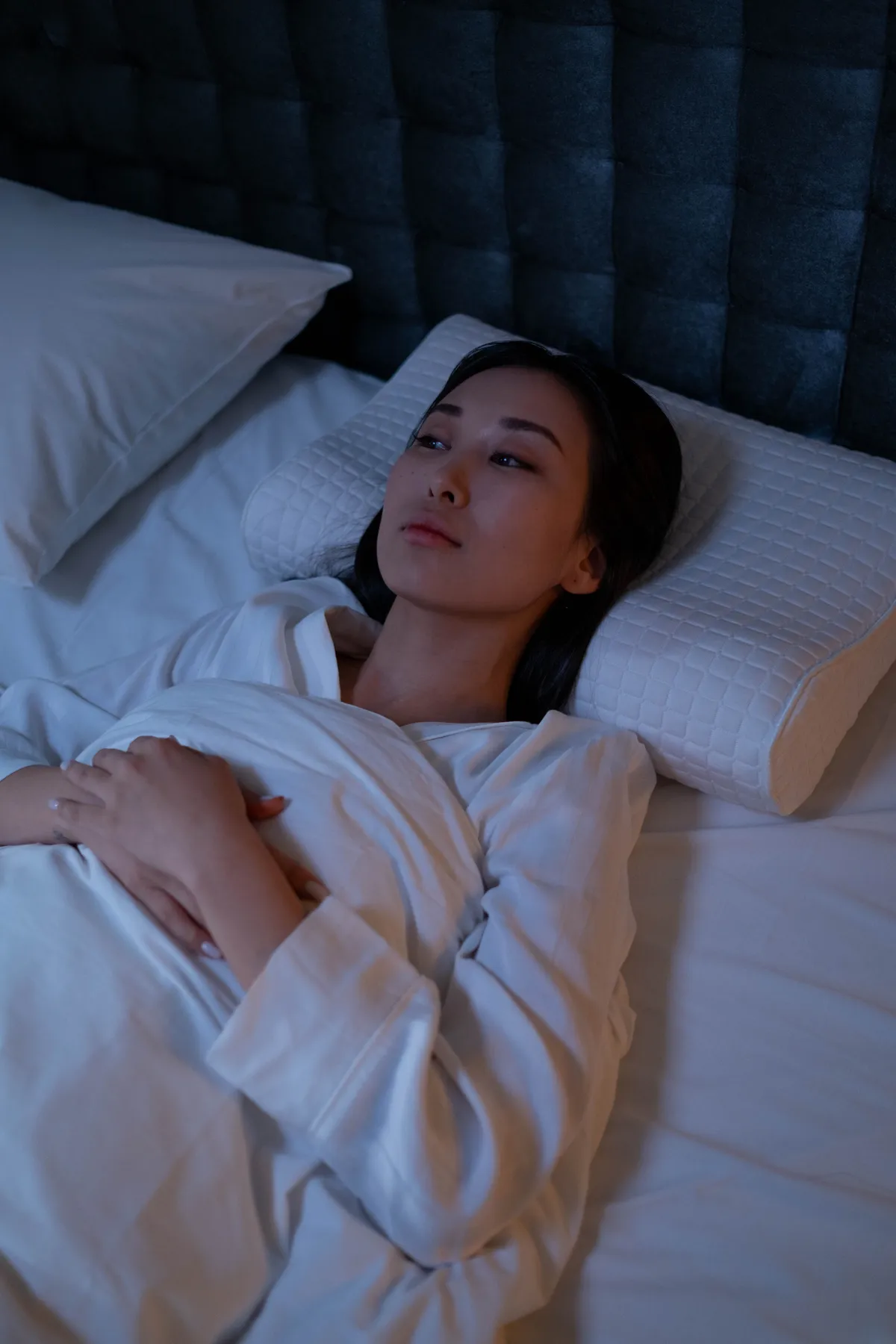
Alcohol helps you fall asleep faster but wrecks the rest of the night: it suppresses restorative REM sleep, fragments the second half, and triggers hot flashes by disrupting temperature control. In menopause, when sleep is already fragile, even one or two drinks can mean a 3 a.m. wake-up. Finish alcohol three to four hours before bed.
For years, a glass of wine was how I told my body the day was over. Dinner, a pour of red, shoulders down. It felt like the opposite of a problem — it felt like self-care.
Then I started waking at 3 a.m. on exactly the nights I'd had it, hot and cotton-mouthed, heart going. I kept blaming stress. It took tracking my own sleep for two weeks to see the pattern I didn't want to see: the wine wasn't relaxing me into sleep. It was renting me an hour of drowsiness and charging the rest of the night in return.
I'm not here to tell you to never drink again. I still enjoy a glass. But understanding what alcohol actually does to a menopausal night changed when and how I drink — and got a chunk of my sleep back.
Why does alcohol wreck sleep more during menopause?
Because it attacks the exact systems that are already struggling. Alcohol suppresses REM sleep and fragments the second half of the night, and it destabilizes body temperature — the same temperature control that falling estrogen has already made unreliable. So a drink lands on a nervous system that's primed to overheat and wake.
In your thirties, a healthy body could absorb a glass of wine and still sleep reasonably. In perimenopause, three things stack up: your sleep is lighter and more easily broken, your thermostat is already hair-trigger, and your liver clears alcohol a little more slowly. The same drink that once felt harmless now has three ways to wake you.
It's the same story as the caffeine-and-menopause-sleep problem from the other direction: a substance you've used for decades quietly turns on you, not because it changed, but because your body did.

How does that "nightcap" actually affect your sleep?
In two phases. For the first hour or so, alcohol is sedating — it slows the brain and you fall asleep quickly, which is why it feels helpful. Then, as your body metabolizes it, there's a rebound: sleep becomes lighter and choppier, REM is suppressed, and you surface again and again in the second half of the night.
Here's the sequence a single evening's drinking sets in motion:
- You fall asleep faster. The sedative effect is genuine — and misleading. It's the only part that feels good.
- REM sleep gets suppressed. REM is where memory and emotional processing happen; less of it means you wake less restored, even after "enough" hours.
- The rebound hits. As blood alcohol falls, your brain swings toward lighter sleep and more frequent wakings — classically around 3 a.m.
- Dehydration and bathroom trips pull you further out of deep sleep.
Does alcohol trigger hot flashes and night sweats?
For many women, yes. Alcohol widens blood vessels and interferes with the brain's temperature regulation, which menopause has already destabilized. That combination makes a hot flash or a drenching night sweat much more likely in the hours after you drink — and each one can yank you out of deep sleep.
Alcohol is one of the classic vasomotor triggers, right alongside spicy food, a too-warm room, and caffeine. If night sweats are the thing shredding your sleep, it's one of the highest-value experiments to run, because the effect is fast and obvious. We cover the whole trigger list in our guide to natural remedies for menopause night sweats, and the bedroom side in how to stay cool at night.
How many hours before bed should you stop drinking?
Give yourself at least three to four hours between your last drink and bed, so your body clears most of the alcohol before you're trying to sleep. Even better, keep drinks earlier in the evening and always with food, which slows absorption. The closer a drink sits to bedtime, the more of the night it costs you.
A few guardrails that keep a drink from becoming a wrecked night:
- Last call, three hours out. If you're in bed at 10:30, finish by 7–7:30 p.m.
- Always with food, never on an empty stomach, to blunt the spike.
- Match each drink with water to offset the dehydration that fuels 3 a.m. wakings.
- Cap the count. One glass costs less sleep than three — the effect scales with the amount.
Will cutting alcohol really improve your sleep?
For most women, yes — and faster than they expect. Within a week or two of cutting back, many report deeper, less broken sleep, fewer night sweats, and clearer mornings. Because alcohol's effect is dose-dependent and quick to reverse, it's one of the most reliable levers you have over your own nights.
That doesn't have to mean forever, and it doesn't have to mean all-or-nothing. Plenty of women land on a middle path: alcohol becomes an occasional, earlier-in-the-evening pleasure rather than a nightly wind-down. The goal isn't a rule to feel guilty about — it's knowing the true price of the drink so you can decide, clear-eyed, when it's worth paying.
One important caveat: if you drink daily or heavily, don't white-knuckle a sudden stop on your own — talk to your doctor first, because abrupt withdrawal can affect your sleep and health in its own right. For most social drinkers, though, simply moving the glass earlier and lighter is enough to feel the difference within days.
What can you drink instead in the evening?
Keep the ritual, lose the sabotage. A lot of what the evening glass really does is mark the end of the day — a warm or special-feeling drink in your hand. You can get that signal without the 3 a.m. tax. The best swaps feel like a treat, not a punishment.
| Instead of the evening drink | Why it works |
|---|---|
| Chamomile or lemon balm tea | Warm, calming ritual with gentle wind-down herbs — and zero rebound. |
| Tart cherry juice (small glass) | Naturally contains a little melatonin; feels like a proper evening drink. |
| Sparkling water with bitters or citrus | Scratches the "grown-up drink in a nice glass" itch without alcohol. |
| Alcohol-free "zero" wine or beer | Keeps the social ritual; check it's genuinely 0.0% if you're sensitive. |
| Warm milk or rooibos | Comforting and caffeine-free; pairs well with a small bedtime snack. |
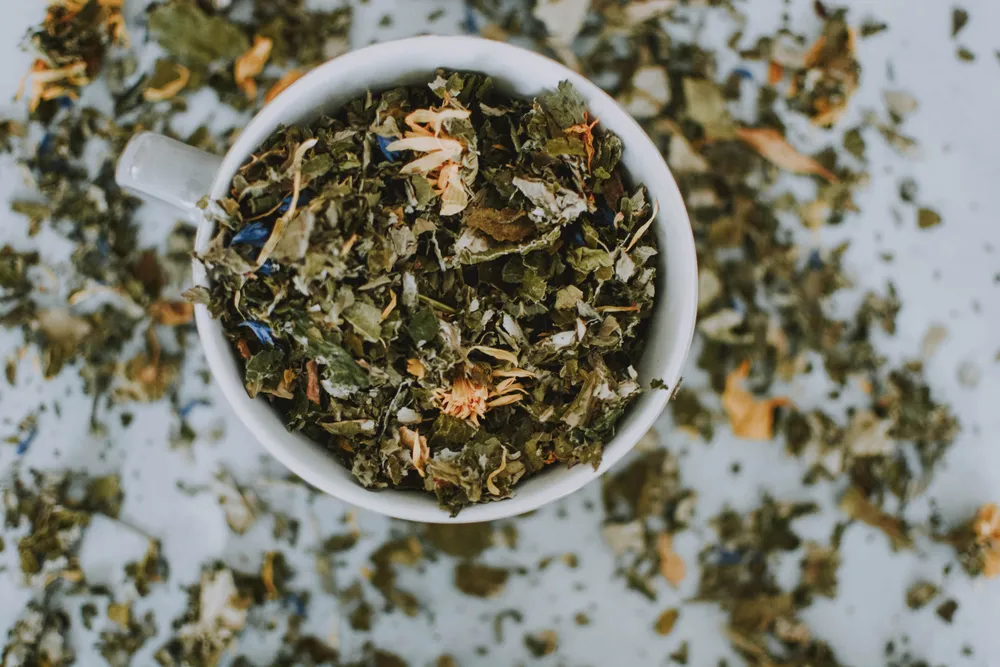
If you mostly drink to unwind a wired, anxious evening, it's worth addressing that tension directly rather than sedating it — our guide to menopause insomnia and anxiety at night covers calmer ways to land the day, and what to eat in the evening to keep blood sugar and sleep steady.
How do you cut back without feeling deprived?
Make it a swap, not a sacrifice. The trick is to replace the ritual, not just remove the drink — your brain is attached to the wind-down cue as much as the alcohol. Give it a satisfying stand-in and the "deprivation" mostly disappears.
- Pour the alternative into the same nice glass. Ritual is visual and physical; honor it.
- Move drinks earlier, not out. If you do drink, make it a with-dinner thing, not a with-bed thing.
- Start with the worst nights. Go alcohol-free on the nights you most need to sleep well (before a big day); build from there.
- Track the payoff. Nothing motivates like seeing your own two-week sleep log improve. Proof beats willpower.
Alcohol doesn't put you to sleep so much as knock you out — and the two are not the same. One restores you; the other just delays the reckoning until 3 a.m.
Where to go from here
Worth knowing if you have been told wine is part of a healthy pattern: our look at the Mediterranean diet and menopause sleep explains why that one component works against you.
Alcohol is often confused with the other popular explanation for 3 AM waking. Blood sugar and menopause sleep covers why the crash story is weaker than it sounds — and why alcohol is the better-evidenced culprit.
Alcohol is one lever, and it works best alongside the others. For the full map of why midlife sleep changes and every evidence-based fix in order, start with the complete perimenopause and menopause sleep guide. Pair this with the caffeine curfew for the two biggest dietary wins, and if you're still surfacing in the small hours, our 3 a.m. wake-up protocol is the companion piece.
Key takeaways
- Alcohol wrecks sleep more in menopause because the body clears it more slowly and it collides with already-fragile, hormone-disrupted sleep.
- A nightcap helps you fall asleep but fragments the second half of the night, causing early waking and lighter, less restorative sleep.
- Alcohol can trigger or worsen hot flashes and night sweats by widening blood vessels and disturbing temperature control.
- Stopping about 3–4 hours before bed lets your body clear most of it before you sleep.
- Cutting back — even a few nights a week — noticeably improves sleep; herbal teas or a mocktail make easy evening swaps.
Frequently asked questions
Does alcohol really affect menopause sleep that much?
Yes, often more than women expect. Alcohol helps you fall asleep faster but fragments the second half of the night, suppresses restorative REM sleep, and triggers hot flashes. In perimenopause, when sleep is already fragile, even one or two drinks can turn into a 3 a.m. wake-up and a groggy morning.
Why does wine give me hot flashes at night?
Alcohol widens your blood vessels and interferes with the brain's temperature control, which is already unstable in menopause. That combination makes a hot flash or night sweat far more likely in the hours after drinking. Red wine and spirits are common triggers, though sensitivity varies from woman to woman.
How many hours before bed should I stop drinking?
Aim to finish any alcohol at least three to four hours before bed, so your body can clear most of it before you sleep. Better still, keep drinks to earlier in the evening with food. The closer a drink is to bedtime, the more it fragments your sleep and fuels night sweats.
Will cutting out alcohol improve my sleep?
For most women, yes, and often quickly. Many notice deeper, less broken sleep and fewer night sweats within a week or two of cutting back. Alcohol is one of the easiest triggers to test: try two weeks alcohol-free and watch how your nights, mornings, and hot flashes respond.
Is a small nightcap okay if it helps me relax?
It feels calming, but it works against you. The relaxation is real for about an hour; then alcohol rebounds into lighter, broken sleep and more wakings. If you want an evening wind-down ritual, a warm caffeine-free tea gives you the comfort and calm without stealing from the second half of your night.
Sources cited
- Sleep Foundation. Alcohol and Sleep. sleepfoundation.org
- The North American Menopause Society (NAMS). Vasomotor symptoms and lifestyle triggers. menopause.org
- National Institute on Alcohol Abuse and Alcoholism (NIAAA). Alcohol and sleep. niaaa.nih.gov
- Mayo Clinic. Insomnia and lifestyle factors. mayoclinic.org
Ellen Hayes
Health & Wellness Writer and Researcher
Hi — I'm Ellen. If you're reading this at some ungodly hour because your brain flipped on at 3 a.m. and won't shut off… I get it. I'm right there with you. I'm somewhere in the middle of midlife, deep in perimenopause, and lately sleep and I have a complicated relationship.
I'm not a doctor. I'm not an expert — and I'm never going to talk down to you like one. I'm just a woman who got tired of vague answers ("it's just your age," "try to relax") and decided to actually read the research myself. Then I write it down here, in plain English, the way I'd explain it to a friend over a glass of… well, sparkling water these days. More about Ellen →