Menopause and Sleep Apnea: Why It Rises and What to Watch For
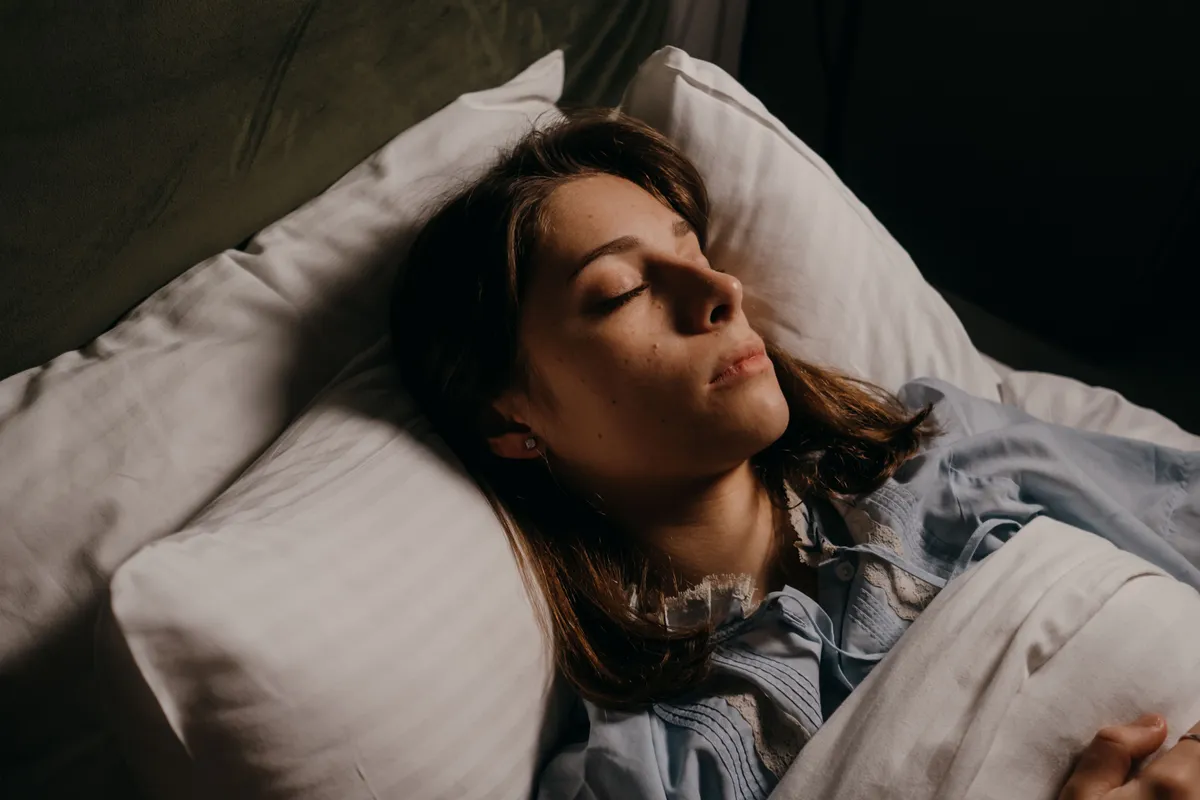
Menopause raises the risk of obstructive sleep apnea, where the airway repeatedly collapses in sleep. Losing progesterone, which helps drive breathing, and a shift in body fat both play a part. It's badly underdiagnosed in women because the symptoms look like insomnia or fatigue. Loud snoring, gasping, or daytime sleepiness deserve a sleep study.
For most of my life, "sleep apnea" was something that happened to my father-in-law — the thunderous snoring down the hall, the machine on the nightstand. It never once occurred to me it could be my problem, or any woman's. That turns out to be exactly the blind spot that lets it go undiagnosed in so many of us for years.
Here's what changed my mind: sleep apnea isn't rare in midlife women, and menopause is a genuine turning point for it. The trouble is that it hides behind the same tired-all-day, foggy, can't-sleep symptoms we've learned to shrug off as "just menopause." So let's pull it out into the light — what it is, why it climbs after menopause, and the specific signs that mean it's worth getting checked.
What is sleep apnea, and how is it different from ordinary snoring?
Obstructive sleep apnea is when the airway repeatedly narrows or collapses during sleep, so breathing briefly stops or turns shallow — often dozens of times an hour. Each pause dips your oxygen and jolts your brain into a micro-awakening to restart breathing. Ordinary snoring is just noisy airflow; apnea is snoring plus those breathing interruptions.
That distinction matters because it explains why apnea is so exhausting. You might spend eight hours in bed and still wake wrecked, because you never got the deep, unbroken sleep your brain needs — it was busy rescuing your breathing all night. Most people have no memory of the arousals at all. They only feel the aftermath: the fog, the flatness, the bottomless daytime tiredness.
Why does menopause increase sleep apnea risk?
Because two protections fade at once. Progesterone acts as a natural breathing stimulant and helps keep the upper-airway muscles toned; as it falls in menopause, that support weakens. At the same time, body fat tends to redistribute toward the abdomen and neck, which physically crowds the airway. Together, they make nighttime collapse far more likely.
Before menopause, women are relatively protected — sleep apnea is roughly two to three times more common in men during the reproductive years. That gap narrows sharply after the final period. A few threads explain the shift:
- Progesterone and estrogen decline. Progesterone in particular stimulates breathing drive and airway muscle tone, so losing it removes a real safeguard.
- Body-composition change. Midlife often brings more central and neck fat, which narrows and destabilizes the airway.
- Overlapping symptoms. Hot flashes, insomnia, and mood changes fragment sleep too, which can mask or tangle with apnea and delay a diagnosis.
When I went looking for the evidence behind this, the study that stuck with me was the Wisconsin Sleep Cohort — a large, long-running sleep study that found menopause was independently linked to a higher risk of sleep-disordered breathing, even after accounting for age and body weight. In other words, it isn't just that we get older: menopause itself moved the needle. That was the moment it stopped feeling like a men's condition to me.
If you've been chalking up unrelenting exhaustion to "the change," it's worth zooming out to the whole picture — our complete guide to perimenopause and menopause insomnia shows where breathing problems fit among all the other reasons midlife sleep falls apart.
Why is sleep apnea so often missed in women?
Because women frequently don't match the stereotype. The classic patient is an older, heavy-set man who snores like a chainsaw. Many women with apnea snore more softly or not obviously, and instead report fatigue, insomnia, low mood, anxiety, or morning headaches — symptoms that get filed under menopause, stress, or depression, and never trigger a sleep referral.
This is the part I most want you to take away, because it's where women get failed. Study after study finds sleep apnea is under-recognized and under-diagnosed in women, partly because the screening questions were built around men's symptoms. If you've been handed an antidepressant or a "try to relax" for what might actually be a breathing problem at night, you are not imagining the mismatch.
What are the warning signs to watch for?
The strongest clues combine what happens at night with how you feel by day. No single symptom proves apnea, but a cluster of them — especially loud snoring plus witnessed pauses plus daytime sleepiness — is a strong signal to get evaluated. Here's the pattern worth recognizing in yourself or asking a partner about.
| Nighttime signs | Daytime signs |
|---|---|
| Loud, chronic snoring | Waking unrefreshed no matter how long you slept |
| A partner noticing you gasp, choke, or stop breathing | Heavy daytime sleepiness (dozing at your desk, in meetings, while driving) |
| Waking abruptly short of breath | Morning headaches |
| Frequent trips to the bathroom overnight | Brain fog, poor concentration, low mood, or irritability |
Some of these overlap with other midlife nuisances — those overnight bathroom trips also have their own explanation in waking up to pee at night, and the bone-deep exhaustion has many causes we unpack in menopause fatigue. Apnea is one more suspect to keep on the list, especially when snoring and gasping are in the mix.
Why does untreated sleep apnea matter?
Because it's not just about tiredness — it strains the whole body. Each drop in oxygen and each arousal stresses the heart and blood vessels, which is why untreated sleep apnea is linked to high blood pressure, heart disease, stroke, and type 2 diabetes, along with the immediate danger of drowsy driving. Treating it protects far more than your energy.
I don't say that to frighten you — I say it because it flips apnea from "an annoying snore" to "a health issue worth a doctor's time." The reassuring flip side is that it's very treatable, and treatment often brings a dramatic return of energy, clearer mornings, and steadier blood pressure. This is one of those rare midlife problems where getting the diagnosis genuinely changes the story.
Take gasping or witnessed pauses seriously. If a partner has seen you stop breathing in your sleep, or you wake choking or gasping, don't wait it out — ask your doctor about a sleep evaluation. These are the symptoms most worth acting on quickly.
How is sleep apnea diagnosed?
Only a sleep study can diagnose it. That's either an overnight test in a sleep lab (polysomnography) or, increasingly, a home sleep apnea test your doctor arranges, where you wear a small device that records breathing, oxygen, and heart rate. The test counts how often your breathing pauses per hour, which defines severity.
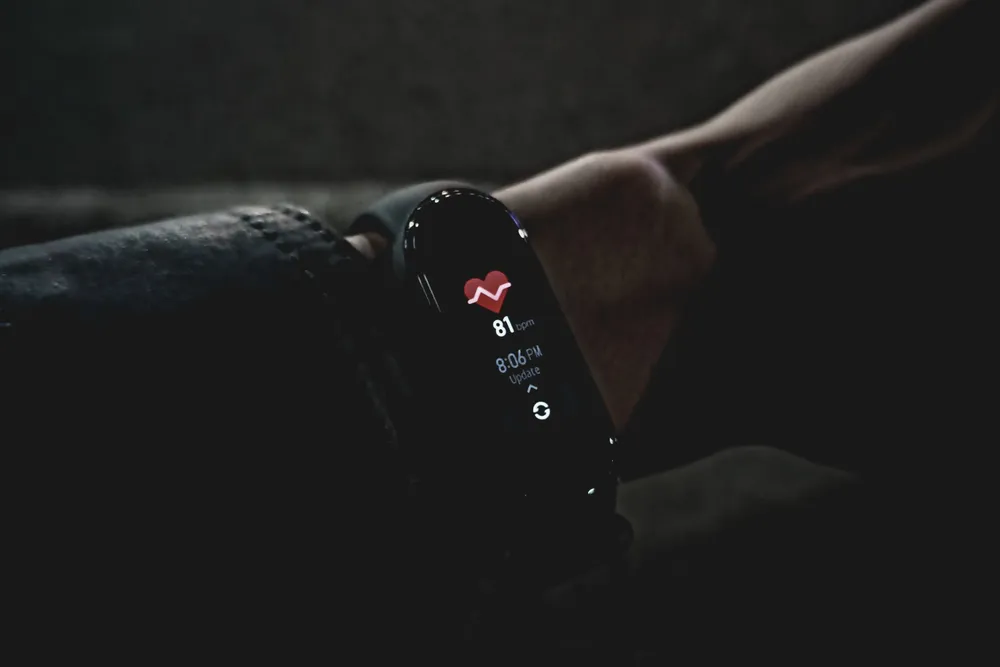
Wearables and phone apps have made this fuzzier, in a mostly good way. A smartwatch or ring that flags snoring, oxygen dips, or "breathing disturbances" can be the nudge that sends you to your doctor — but it is a smoke alarm, not a diagnosis. Take that data in as a conversation-starter, then let a proper sleep test do the actual diagnosing.
What are the treatments?
The gold standard is CPAP — a machine that blows a gentle stream of air through a mask to splint the airway open all night. For milder cases or people who can't tolerate CPAP, custom oral appliances that nudge the jaw forward, positional therapy, weight management, and treating nasal congestion all help.
A few levers are worth knowing about, because several overlap with things you may already be working on:
- CPAP or an oral appliance — the core medical treatments, chosen by severity and comfort.
- Skip the nightcap. Alcohol relaxes the airway muscles and worsens apnea, one more reason that evening glass of wine wrecks your rest.
- Side-sleeping can reduce airway collapse for some people, versus sleeping on your back.
- Weight management, where relevant, can meaningfully reduce severity — and regular movement helps on several fronts at once.
- Hormone therapy isn't a treatment for apnea, but if you're weighing it for other symptoms, it's part of the wider conversation in our honest look at HRT for menopause insomnia.
What if you can't tolerate CPAP?
Plenty of people struggle with CPAP at first, and it's worth knowing that isn't the end of the road. Many issues — a leaky mask, dryness, claustrophobia — are fixable with a different mask style, a heated humidifier, or a slow adjustment period. And if CPAP truly isn't for you, a custom oral appliance from a sleep dentist, positional therapy, or newer options your specialist can discuss may still treat the apnea effectively.
For years we told women their exhaustion was hormones, stress, or age. Sometimes it's their breathing — and that's a problem with a genuinely good fix, if someone thinks to look for it.
Where to go from here
And if it is your partner who snores rather than you, menopause and a snoring partner covers what that costs your own sleep — and why treating their snoring gave partners back about an hour a night.
If any of this rang a bell, the next step is a conversation with your doctor about a sleep evaluation — especially if snoring, gasping, or daytime sleepiness are part of your picture. To place apnea in the wider midlife-sleep map, start with the complete perimenopause and menopause sleep guide.
If your days are dominated by exhaustion, read menopause fatigue; If you also wake with an aching jaw, teeth grinding at night travels with apnea more often than most people realise; and before your appointment, it’s worth learning what to track for two weeks so you arrive with useful notes.
Key takeaways
- Sleep apnea is the repeated collapse of the airway during sleep — not just snoring — so you can spend eight hours in bed and still wake exhausted.
- Risk climbs sharply after menopause, as protective progesterone falls and body fat shifts toward the neck, until it approaches the rate seen in men.
- It's badly missed in women, who often show fatigue, insomnia, or low mood instead of the classic loud snoring.
- Warning signs: loud snoring, a partner seeing you gasp or pause, waking unrefreshed, morning headaches, and heavy daytime sleepiness.
- Untreated apnea strains the heart and is linked to high blood pressure, heart disease, stroke, and type 2 diabetes — so it's worth diagnosing.
- Only a sleep study can diagnose it; CPAP is the gold-standard treatment, with oral appliances and positional therapy as alternatives.
Frequently asked questions
Does menopause increase the risk of sleep apnea?
Yes. Before menopause, women are relatively protected, but risk climbs sharply afterward until it approaches men's. Losing progesterone, which helps drive breathing and keep the airway open, plus a shift of body fat toward the neck and abdomen, both make the airway more likely to collapse during sleep.
How do I know if I have sleep apnea or just menopause insomnia?
You can't tell for certain on your own, which is exactly the problem. Clues that point to apnea rather than plain insomnia include loud snoring, a partner noticing you gasp or stop breathing, waking unrefreshed however long you slept, morning headaches, and heavy daytime sleepiness. Those signs warrant a sleep study.
Why is sleep apnea missed in so many women?
Because women often don't fit the classic picture. Instead of loud snoring, many report fatigue, insomnia, low mood, or morning headaches, which get blamed on menopause, stress, or depression. Women are also less likely to be referred for a sleep study, so apnea is under-recognized and under-diagnosed in midlife.
Can a smartwatch detect sleep apnea?
Not diagnose it, only hint at it. Some wearables track snoring, oxygen dips, or breathing disturbances that can flag a possible problem worth investigating. But only a sleep study, either in a lab or a home test ordered by a doctor, can actually diagnose sleep apnea and measure its severity.
What is the main treatment for sleep apnea?
CPAP, a machine that gently blows air through a mask to hold the airway open, is the gold-standard treatment. Other options include oral appliances that reposition the jaw, positional therapy, weight management, and avoiding alcohol and sedatives before bed. The right mix depends on your severity and what you'll actually stick with.
Sources cited
- Young T, et al. Menopausal status and sleep-disordered breathing in the Wisconsin Sleep Cohort Study. Am J Respir Crit Care Med. 2003;167(9):1181–1185. pubmed.ncbi.nlm.nih.gov
- Sleep Foundation. Menopause and Sleep; Sleep Apnea in Women. sleepfoundation.org
- American Academy of Sleep Medicine (AASM). Obstructive sleep apnea. aasm.org
- The North American Menopause Society (NAMS). Sleep and the menopause transition. menopause.org
- National Heart, Lung, and Blood Institute (NHLBI). Sleep Apnea. nhlbi.nih.gov
- Cleveland Clinic. Sleep Apnea. clevelandclinic.org

Ellen Hayes
Health & Wellness Writer and Researcher
Hi — I'm Ellen. If you're reading this at some ungodly hour because your brain flipped on at 3 a.m. and won't shut off… I get it. I'm right there with you. I'm somewhere in the middle of midlife, deep in perimenopause, and lately sleep and I have a complicated relationship.
I'm not a doctor. I'm not an expert — and I'm never going to talk down to you like one. I'm just a woman who got tired of vague answers ("it's just your age," "try to relax") and decided to actually read the research myself. Then I write it down here, in plain English, the way I'd explain it to a friend over coffee. More about Ellen →