Sleep Mask for Menopause: Does It Help or Just Trap Heat?
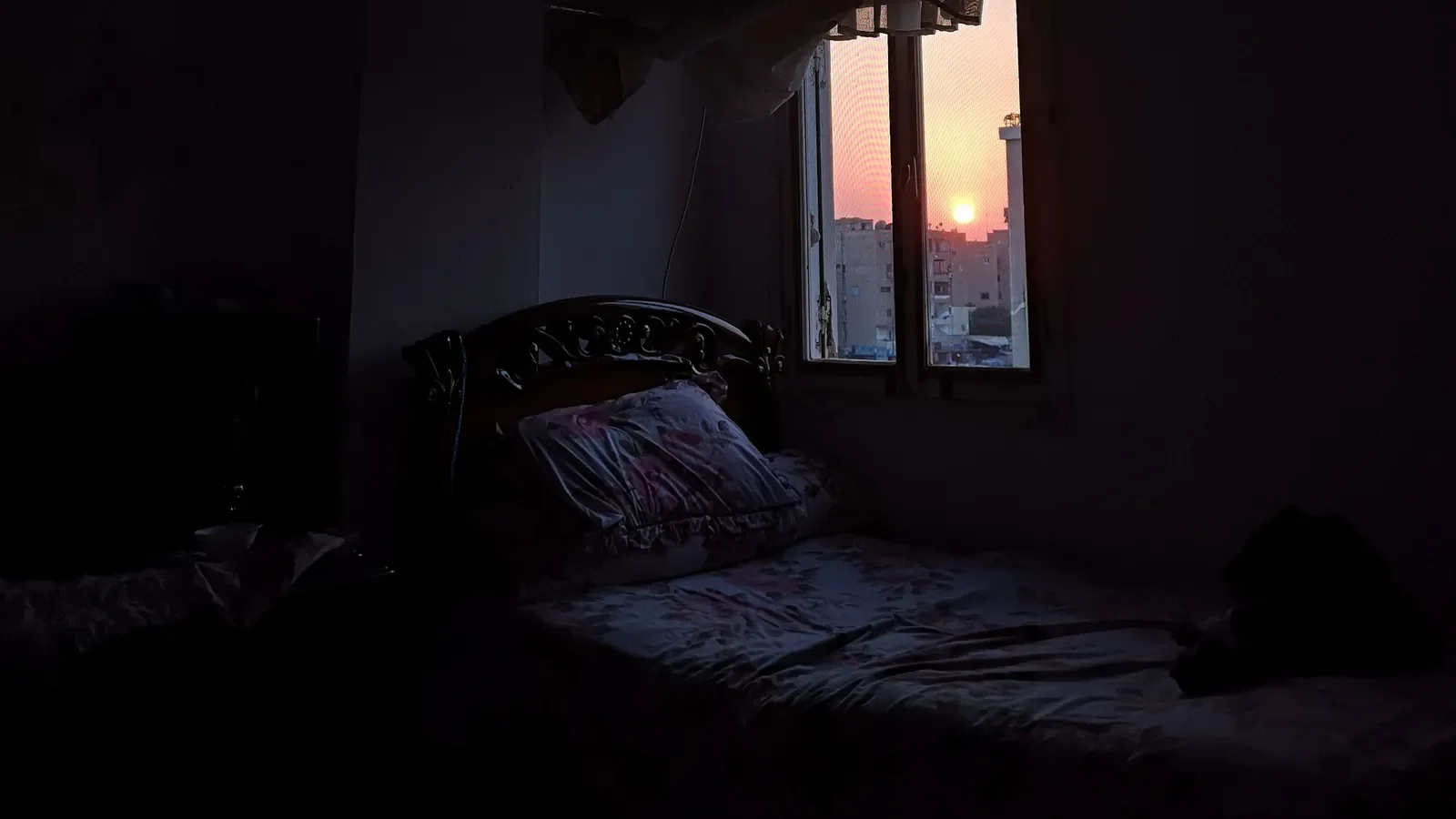
You finally get to sleep, and then the first gray light, a hallway night-light or the glow of a clock pulls you awake. A sleep mask is the cheapest fix there is, but in menopause there's a catch: anything that covers your face can feel like a heating pad when a hot flash hits.
So I looked up what the research says about a sleep mask, what it can and can't do, and how to choose one that stays comfortable. I'm not a doctor, and I'll be clear where there is a study and where I'm only reasoning.
A sleep mask blocks light, and light during sleep can disturb it. In small studies of healthy people, eye masks improved some sleep measures, memory and alertness. None tested menopausal women or hot flashes. If you run hot, pick a thin, breathable, loose-fitting mask and keep the room cool.
Does a sleep mask help sleep in menopause?
A sleep mask may help if light is part of what disturbs your sleep, but no study has tested one in menopausal women. The evidence I found comes from healthy younger adults and from a simulated intensive care unit. It supports "blocking light can help some people," not "a sleep mask fixes menopause insomnia."
That gap matters because menopause sleep trouble usually has other drivers: night sweats, falling estrogen, mood, and a body clock that shifts with age. Our complete menopause sleep guide covers those. A mask is a small tool for one piece of the problem, which is light reaching your eyes while you sleep.
Think of it the way you'd think of earplugs for a noisy street. It removes one disturbance. If the real reason you're awake at 3 a.m. is a hot flash or a racing mind, a mask won't touch it, and the sections below on cooling and on falling back asleep matter more.
What have the eye-mask studies actually found?
Two small studies are the best evidence I found on eye masks. One tested masks plus earplugs in a simulated hospital night; the other tested a mask alone in young adults. Both found some benefit on some measures. Neither included menopausal women, and neither tested hot flashes, so you can't read their results straight across to your bedroom.
| Study | Who | What they did | What they found |
|---|---|---|---|
| Hu et al., Critical Care, 2010 | 14 healthy adults | Slept in a simulated ICU night with noise and light, with and without earplugs and eye masks | With both worn: more REM sleep, shorter time to REM, fewer arousals, higher melatonin |
| Greco et al., Sleep, 2023 | 94 adults aged 18 to 35 (second experiment: about 35) | A week sleeping with a mask versus a week without | Better episodic memory encoding with the mask, and faster reaction times in the first experiment; no difference in self-rated sleep quality or total sleep time |
In the Cardiff study, the memory benefit in the second experiment was linked to time spent in slow-wave sleep, the deep sleep stage. But the authors report that people did not rate their sleep as better with the mask, and total sleep hours were the same. The mask changed how they performed, not how they said they felt.
Two honest limits apply to the hospital study. The earplugs and masks were tested together, so the mask's own share can't be separated. And the 14 volunteers were healthy, aged 21 to 70 (average 31). In a related 2015 trial in 45 heart-surgery patients, perceived sleep quality was better with earplugs and masks plus music, but melatonin did not differ.
Why does light at night matter for midlife sleep?
Light matters because your brain uses it to time melatonin, the hormone that signals night. Even room light can change that signal. In a lab study of young volunteers aged 18 to 30, room light in the hours before bed delayed melatonin onset in 99% of people and shortened its duration by about 90 minutes.
That study (Gooley and colleagues, 2011) compared room light under 200 lux with dim light under 3 lux. Note what it tested: light in the evening, while people were awake. A mask can't help with that, since you're not wearing it yet. For evening light, dimming lamps and screens is the tool; see our guides to blue light and menopause sleep and melatonin.
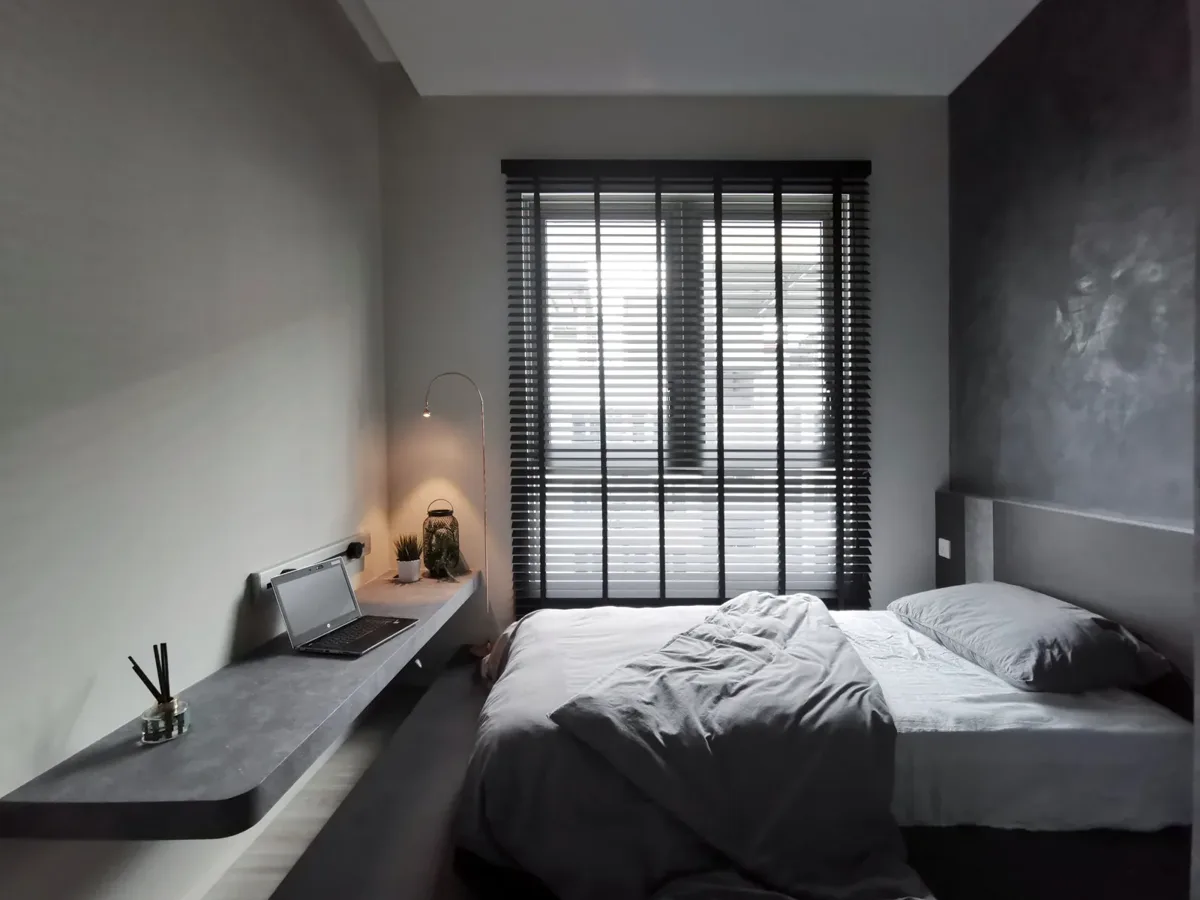
Light during sleep itself has been studied too. In a 2022 Northwestern trial, 20 healthy adults slept one night under 100 lux of room light or in dim light. The room-light group had a faster heart rate during sleep and more insulin resistance the next morning (HOMA-IR up about 15%, versus down about 4%). It was small, short and in young adults, so I'd treat it as a hint, not a rule.
Morning light is a separate story: getting bright light after you wake helps anchor your rhythm, as we explain in morning light for menopause sleep. A mask for the night and light in the morning work in the same direction.
Can a sleep mask make hot flashes or night sweats worse?
It might, but that is my reasoning, not a research finding. I found no study of sleep masks in women with hot flashes. What research does show is that skin temperature rises during a hot flash and that a cool bedroom helps, so a snug layer of fabric across the face is a fair thing to question.
Here is what is supported. A 2025 review of menopausal temperature regulation reports that skin temperature increases during a hot flash and that hot flashes during sleep appear to have the same physiology as daytime ones. It also notes that a bedroom cooled to about 18°C (64°F) reduced hot flashes in the first half of the night in one study.
My practical take, clearly a suggestion: if you wake overheated, the mask is one of the first things to rule out. Try a few nights without it, or with a thinner one, and note what changes. Our guide to staying cool at night has the larger levers: room temperature, bedding and airflow.
How do you choose a sleep mask that won't overheat your face?
Choose the lightest, most breathable mask that still blocks the light, and make sure it fits without pressing on your eyelids. The only fit guidance I could source comes from an eye-care site: a mask should cover both eyes completely without too much pressure, and adjustable straps help. The fabric advice below is my own reasoning.
| What to check | Why it matters | What to look for |
|---|---|---|
| Fit and pressure | Eye-care sources link tight masks to blurred vision on waking | Covers both eyes fully but doesn't press on the lids; adjustable strap |
| Fabric | More fabric over the face means more trapped warmth (my reasoning; no study compared fabrics) | Thin, smooth, breathable; avoid thick foam or padded filling if you run hot |
| Strap | A tight or bulky band can warm the head and pull hair | Light, soft, stretchy and easy to loosen |
| Washable | Masks collect sweat, oil, makeup and dirt | Care label you'll actually follow; consider owning two |
| Skin sensitivity | Some materials irritate sensitive skin | Hypoallergenic materials if your skin reacts |
| Light blocking | A gap at the nose lets light in | Test it in a bright room before bed |
Skip anything with a built-in heating or warming pack unless your doctor says otherwise; that is the opposite of what you want during hot flashes. Also don't assume that a higher price means a cooler mask. Nothing I found rates masks for heat, so test them yourself on a normal night.
How should you wear and clean a sleep mask?
Wear it snug enough to stay put and loose enough that it doesn't press on your eyes, and wash it regularly. An eye-care article reviewed by an optometrist says to wash masks per the manufacturer's care instructions, and warns that a dirty mask worn every night can lead to an eye infection and skin irritation.
Because night sweats mean more moisture on your face, here is a routine that costs nothing. Rotate between two masks so one is always clean and dry. If you wear face cream or eye products at night, wash the mask more often.
- Blurred vision on waking: the same source says constant pressure from a tight mask may cause it, and suggests seeing an eye doctor if it lasts longer than 24 hours.
- Waking up sweaty under the mask: take it off in the moment and set it aside. A hot flash passes; a damp mask doesn't help you cool.
- Hair and skin: a loose strap and a smooth fabric are gentler if your skin or scalp is sensitive.
What if you already have dry or irritated eyes?
If you have dry or irritated eyes, which are common around menopause, a sleep mask isn't automatically a problem, but pressure and dirt can make irritation worse. I didn't find research testing masks in dry eye, so I'd go by comfort: if your eyes feel worse in the morning with the mask, stop and ask an eye doctor.
Our article on menopause and dry eyes explains why the tear film changes and when it needs an eye doctor rather than drops. A mask that keeps a draft or a ceiling fan off your eyes may feel better, while one that rubs your lids will not. Fit decides which one you get.
Who should not use a sleep mask, or should ask first?
Most adults can try a sleep mask, but a few groups should ask a professional first. Eye-care guidance advises against masks for infants because of the suffocation risk and against all-night use in children. For adults, anyone with an eye infection, recent eye surgery or an ongoing eye condition should ask an eye doctor before wearing one at night.
That adult list is my precaution, not a finding: I didn't find a source that lists adult conditions. The reasoning is simple, since a mask presses on the area being treated or protected. Ask the doctor who is managing your eyes what they'd prefer, and follow their answer over anything here.
Also think about safety. If you have severe night sweats or palpitations, you may prefer to be able to see the room when you wake. If a mask makes you feel trapped, anxious or disoriented when you wake up, skip it and use blackout curtains instead.
What are the possible downsides of a sleep mask?
The downsides are modest and mostly about comfort and cleanliness. From the sources I found: blurred vision on waking from a too-tight mask, skin irritation or breakouts from a dirty one, a possible eye infection from a mask that is never washed, and allergic reactions to some materials. I found no rates for how often any of these happen.
Add the one specific to this article, which is my observation and not a study result: the mask can feel hot. And a mask is easy to lose in the night, to knock off during a hot flash, or to end up under your head. That is fine, and wearing it for part of the night still blocks the early light.
When should you talk to your doctor?
Talk to your doctor if poor sleep lasts more than a few weeks, if night sweats soak your sheets, or if you wake gasping, snoring or with a pounding heart. A mask only handles light. Those patterns can point to hot flashes that deserve treatment, sleep apnea, thyroid problems or depression, and each has its own fix.
See an eye doctor if you have eye pain, redness, discharge, vision changes that don't clear within a day, or dryness that keeps getting worse. Our articles on sleep apnea in menopause and CBT-I cover two of the next steps, and the American Academy of Sleep Medicine strongly recommends CBT-I for chronic insomnia.
What else blocks light without covering your face?
Several options block light without anything on your face: blackout curtains or shades, covering or turning off LED lights, keeping your phone out of reach, and using a very dim, warm night-light if you need to get up. If a mask runs hot, fixing the room is a reasonable alternative, and you can still use both.
Pair light control with the other sleep-environment steps in our guides to the best cooling pillow, a bed fan, cooling sleepwear and white noise or brown noise. If you'd like both a dark and a quiet room, that is the same idea the ICU study tested.
Where to go from here
If light is what wakes you, try a thin, breathable mask for a week alongside a cool room, and compare how you feel. If heat is what wakes you, start with staying cool at night, then our hot flashes guide. For everything about midlife sleep, begin with the complete sleep guide.
Key takeaways
- The evidence is thin: small studies in healthy adults found benefits on some sleep, memory and alertness measures, and none tested menopausal women.
- It isn't a hot flash treatment: a mask blocks light only; night sweats need cooling, and sometimes medical care.
- Heat is a fair worry: skin temperature rises in a hot flash, so choose thin, breathable and loose, and test it against a night without.
- Fit and cleanliness matter: a tight mask can blur vision, and a dirty one can cause infection or skin irritation.
- Mask or room: blackout curtains and covered lights can do the same job without anything on your face.
Frequently asked questions
Does a sleep mask help with menopause insomnia?
Nobody has tested that directly. I found no trial of sleep masks in menopausal women. In studies of other groups, masks improved some sleep and alertness measures, but not self-rated sleep quality or total sleep time in young adults. A mask may help if light wakes you, and it won't treat hot flashes.
Can a sleep mask make hot flashes worse?
There is no study on this, so it is a practical guess rather than a finding. A mask adds fabric over your face, and skin temperature rises during a hot flash. If you feel hot under the mask, choose a thinner, breathable one, loosen it, or take it off for a few nights and compare.
What is the best sleep mask for hot flashes?
No source ranks masks for hot flashes, and I'm not linking to products. Look for a thin, breathable fabric, a light and adjustable strap, and a shape that doesn't press on your eyelids. Washable matters too, since sweat builds up. Fit and comfort matter more than any brand claim.
Is it safe to wear a sleep mask every night?
For most adults, a clean, well-fitting mask is generally considered fine. Eye-care sources warn that a dirty mask worn nightly can cause an eye infection, and that a tight one can cause blurred vision on waking. Wash it per the care label, and ask an eye doctor if you have eye problems.
Does a sleep mask help with dry eyes in menopause?
I didn't find evidence either way. A mask that presses on the eyes or is dirty could irritate them, so fit and cleanliness matter. If you wake with gritty, burning or sticky eyes, that is worth raising with an eye doctor, since menopause-related dry eye is common and treatable.
Sources cited
- Hu RF, Jiang XY, Zeng YM, Chen XY, Zhang YH. Effects of earplugs and eye masks on nocturnal sleep, melatonin and cortisol in a simulated intensive care unit environment. Crit Care. 2010;14(2):R66. pmc.ncbi.nlm.nih.gov
- Greco V, Bergamo D, Cuoccio P, Konkoly KR, Muñoz Lombardo K, Lewis PA. Wearing an eye mask during overnight sleep improves episodic learning and alertness. Sleep. 2023;46(3):zsac305. pmc.ncbi.nlm.nih.gov
- Hu RF, Jiang XY, Hegadoren KM, Zhang YH. Effects of earplugs and eye masks combined with relaxing music on sleep, melatonin and cortisol levels in ICU patients: a randomized controlled trial. Crit Care. 2015;19:115. pmc.ncbi.nlm.nih.gov
- Gooley JJ, Chamberlain K, Smith KA, et al. Exposure to room light before bedtime suppresses melatonin onset and shortens melatonin duration in humans. J Clin Endocrinol Metab. 2011;96(3):E463-E472. pmc.ncbi.nlm.nih.gov
- Mason IC, et al. Light exposure during sleep impairs cardiometabolic function. Proc Natl Acad Sci U S A. 2022;119(12):e2113290119. pmc.ncbi.nlm.nih.gov
- Gombert-Labedens M, Vesterdorf K, Fuller A, Maloney SK, Baker FC. Effects of menopause on temperature regulation. Temperature (Austin). 2025;12(2):92-132. pmc.ncbi.nlm.nih.gov
- Sprabary A; medically reviewed by Cooper MS, OD. Are all eye masks safe to sleep in? All About Vision. allaboutvision.com
- Edinger JD, Arnedt JT, Bertisch SM, et al. Behavioral and psychological treatments for chronic insomnia disorder in adults: an American Academy of Sleep Medicine clinical practice guideline. J Clin Sleep Med. 2021;17(2):255-262. pubmed.ncbi.nlm.nih.gov
How this article was checked
The study results were read from the Greco 2023 full text and most of the Mason 2022 full text and the Hu 2010, Hu 2015 and Gooley 2011 abstracts and summaries; the temperature figures come from the 2025 review. Fit, cleaning and blurred-vision advice comes from one optometrist-reviewed consumer eye-care article. The advice on heat under the mask and on fabric choice is my own reasoning, not a research finding, and I say so where it appears.
It has not been reviewed by a clinician. Ellen Hayes is a researcher and writer, not a doctor, and nothing here is a diagnosis or a substitute for being seen by one.
Ellen Hayes
Health & Wellness Writer and Researcher
Hi — I'm Ellen. I assumed there would be plenty of research on sleep masks and menopause. There wasn't, so I wrote down what the nearby studies show and where I'm only guessing.
I'm not a doctor. I'm not an expert — and I'm never going to talk down to you like one. I'm a woman in the middle of perimenopause who got tired of vague answers, started reading the actual research, and writes it down here in plain English, the way I'd explain it to a friend over coffee. More about Ellen →