Best Cooling Sleepwear for Menopause Night Sweats
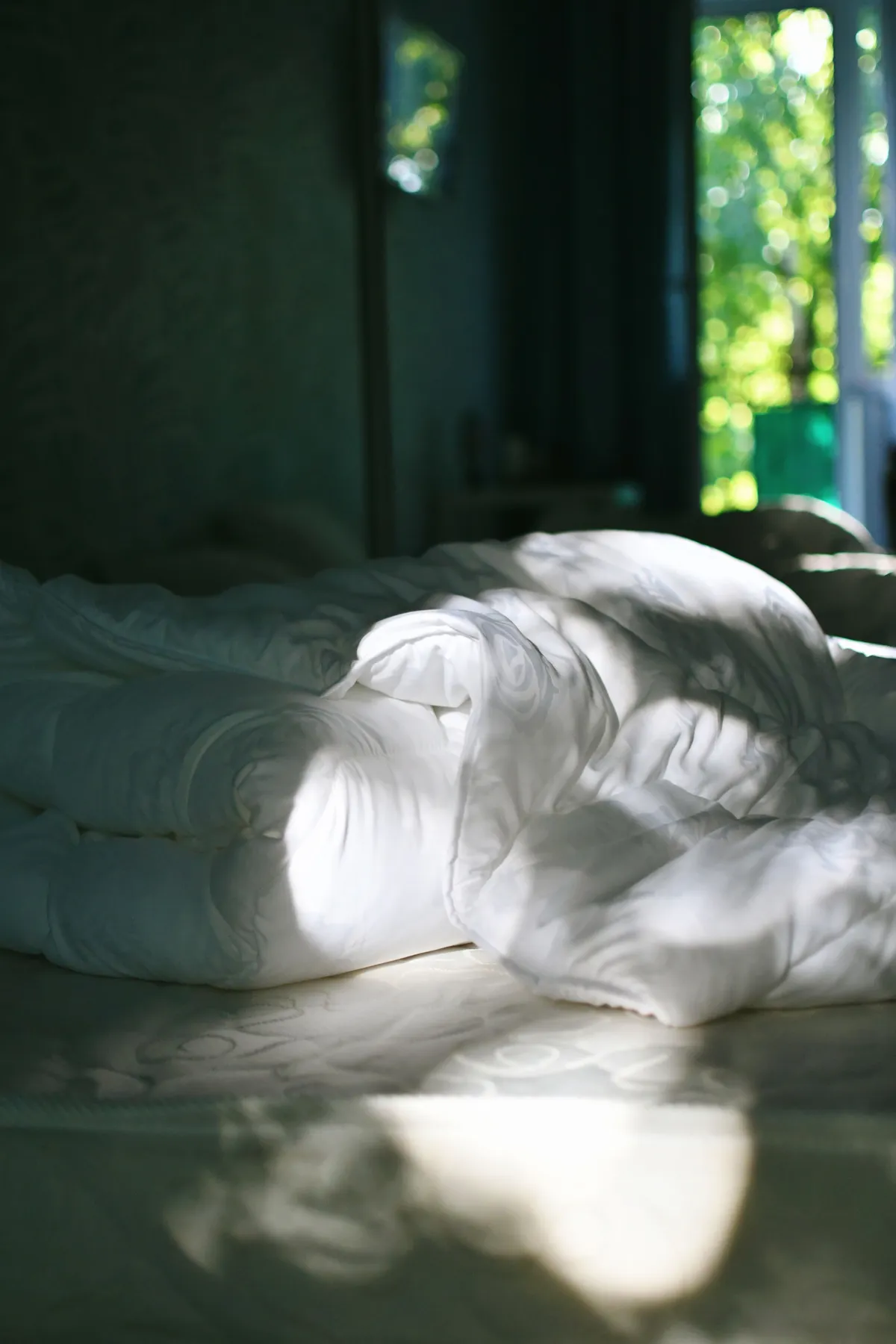
The best cooling sleepwear for menopause night sweats is loose and made from breathable, moisture-wicking fabric: cotton, linen, bamboo, TENCEL, or lightweight merino wool. Avoid non-wicking polyester, flannel, and fleece, which trap heat and leave you clammy. Sleepwear is a supporting player — pair it with a cool room and breathable bedding for the real difference.
For a long time I blamed my sheets, my thermostat, my husband's furnace-like body heat — anything but the soft, cozy pajamas I loved. They were brushed cotton, warm and comforting, and they were quietly turning every hot flash into a soaked, wake-me-up event.
The night I finally swapped them for a loose, thin, boring-looking set in a moisture-wicking fabric, I was shocked. The flashes still came — sleepwear can't stop those — but instead of waking up clammy and cold, I mostly stayed asleep through them. It was the cheapest, easiest upgrade I made to my whole sleep setup.
So here's what actually matters when you're choosing sleepwear for menopausal nights — the fabrics, the features, and the mistakes that turn "cute" into "cooking."
Does cooling sleepwear actually help with night sweats?
It helps — as a supporting player, not a cure. The right fabric wicks moisture off your skin and lets air through, so a hot flash dries faster and you're far less likely to wake up drenched. It won't stop the flash itself, but combined with a cool room and breathable bedding, good sleepwear noticeably cuts the clammy wake-ups.
Here's why the fabric matters so much: a menopausal night sweat isn't just heat, it's moisture. The misery comes in two waves — the flash, then the cold, damp aftermath as the sweat sits against your skin. Wicking fabric attacks that second wave, pulling moisture away so you dry quickly instead of lying in a cold compress. That's often the difference between a brief stir and a full wake-up.
None of this replaces cooling the room itself — that's still the biggest lever, and we cover it fully in how to stay cool at night during menopause. Think of sleepwear as the layer closest to the problem: last line of defense, and a genuinely useful one.
What fabrics are best for menopause night sweats?
Breathable natural fibers and technical wicking fabrics. The winners all share one trait — they move moisture away from your skin and let air circulate, instead of trapping heat and sweat against you. Cotton, linen, bamboo, TENCEL, and lightweight merino wool all do this well, each with slightly different strengths.
| Fabric | Why it works for night sweats |
|---|---|
| Cotton (light, percale weave) | Breathable and cheap; absorbs moisture. Best in a thin, loose weave rather than brushed/flannel. |
| Linen | Exceptionally breathable and airy; keeps you cool even in warm rooms. Wrinkles, but sleeps beautifully. |
| Bamboo / viscose | Silky-soft, breathable, and naturally moisture-wicking — a favorite for menopause sleepwear. |
| TENCEL / lyocell | Excellent wicking and very smooth; manages moisture better than most cottons. |
| Merino wool (lightweight) | Counterintuitive but great: regulates temperature and wicks, keeping you neither too hot nor clammy. |
| Technical wicking blends | Purpose-made menopause sleepwear engineered to pull sweat away fast; look for genuine moisture-wicking, not just "polyester." |
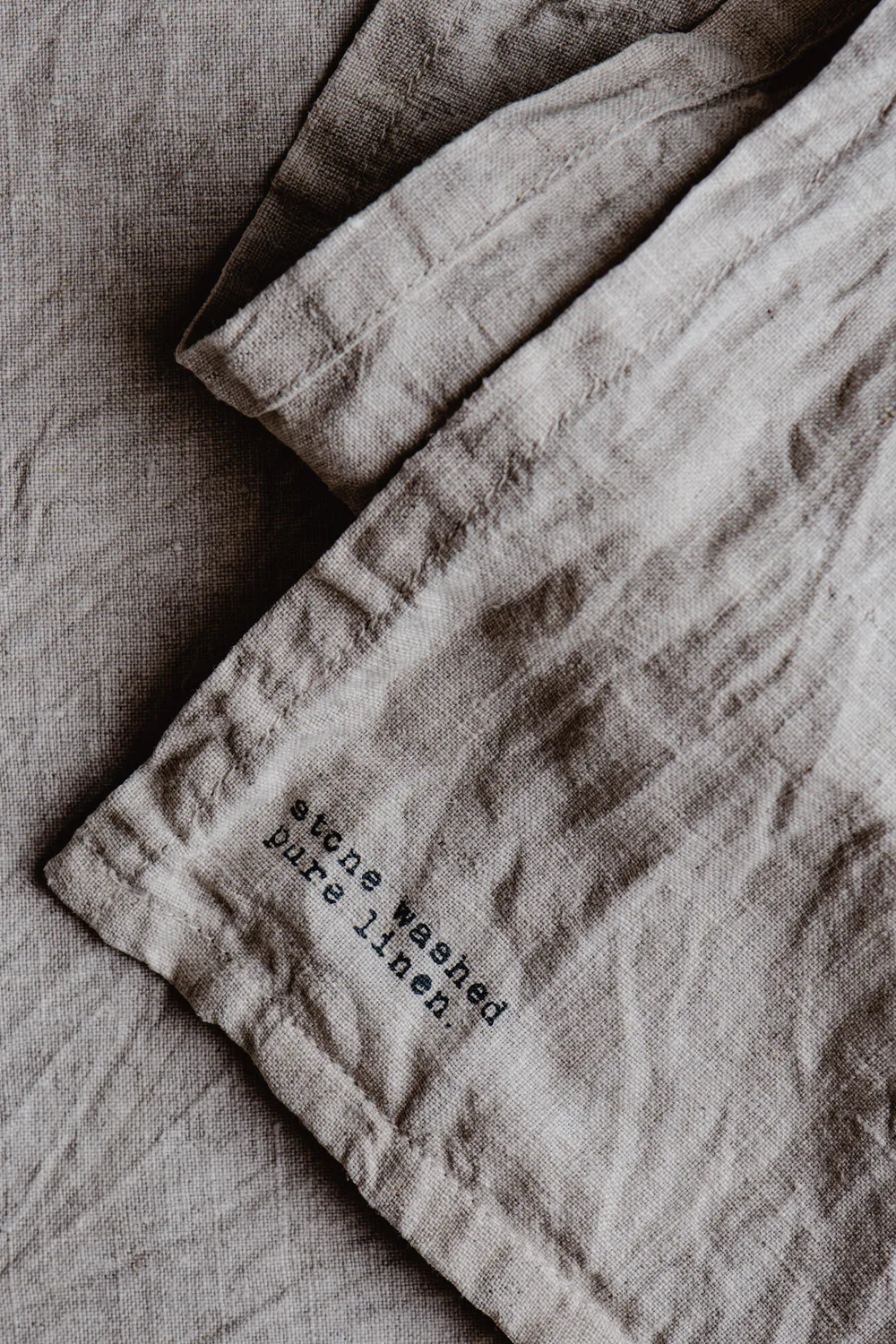
What fabrics should you avoid?
Anything that traps heat and moisture. Ordinary polyester and nylon, brushed flannel, fleece, and heavy satin all hold warmth and sweat against your skin, so a hot flash leaves you damp and then cold once it passes. Cozy is the enemy here — the softest, warmest-feeling fabrics are usually the worst offenders.
- Non-wicking polyester & nylon. Cheap and everywhere, but they trap moisture unless specifically engineered to wick.
- Flannel & fleece. Lovely in winter for a cold sleeper; a sauna for a menopausal one.
- Heavy satin/silk sets. Silk breathes better than people think, but many "satin" sets are polyester and don't wick sweat.
- Tight, clingy fits. Whatever the fabric, snug sleepwear holds heat and moisture against you. Go loose.
What features should you look for in menopause pajamas?
Beyond fabric, the cut and construction decide how well sleepwear handles a flash. The goal is to let heat escape and moisture move, and to make it easy to shed a layer at 3 a.m. without fully waking. A few small design details do most of the work.
- Loose, relaxed fit so air can circulate and nothing clings when you sweat.
- Moisture-wicking, verified — look for the words on the label, not just a soft feel.
- Separates over a one-piece nightgown, so you can remove the top and keep the bottoms (or vice versa).
- Flat or minimal seams to avoid irritation on damp skin.
- Short sleeves and legs, or sleeveless, to shed heat — and keep a light layer nearby for the post-flash chill.
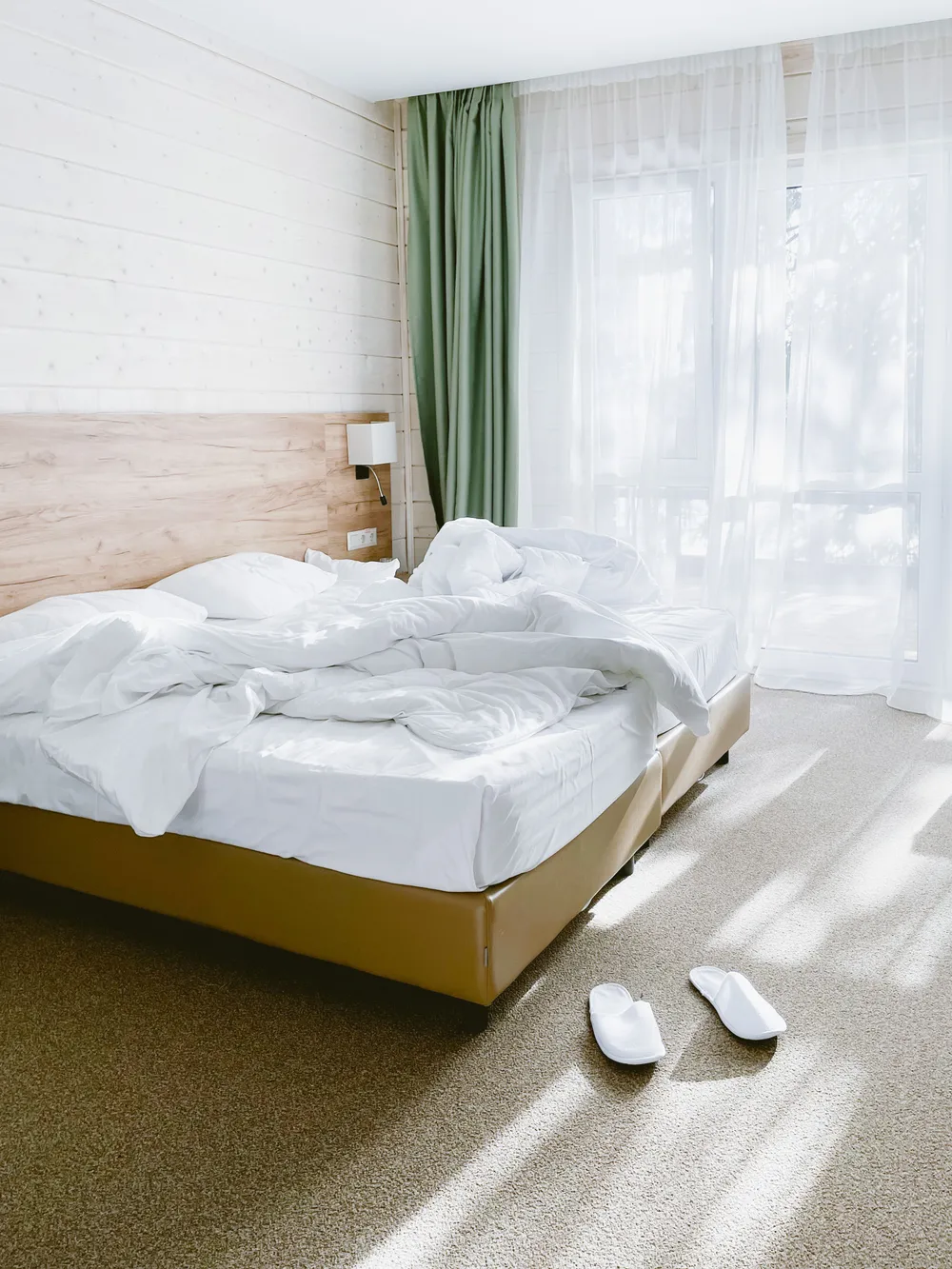
Sleepwear is one layer of a whole cooling system. The bedding matters just as much — breathable sheets and the right fill on your duvet — and even a weighted blanket, if you choose a cooling one, can fit in without overheating you. When we publish our hands-on picks for menopause sleepwear, they'll live right here.
Do you even need special sleepwear, or is the room enough?
The room and bedding matter more — but sleepwear is the cheapest, fastest fix and it's the layer touching your skin. If you can only change one thing, cool the bedroom to 60–67°F first. If you've done that and still wake up damp, sleepwear is the next highest-value, lowest-effort upgrade you can make.
In other words, don't buy a drawer full of technical pajamas and keep the heating on. Build the system from the outside in: a cool room, breathable bedding, then the right thing against your skin. Each layer does a little, and together they turn a drenched, three-wake-up night into one you sleep through. For the full environmental picture, the stay-cool guide is your starting point.
Should you layer up or strip down for night sweats?
Layer smart rather than picking one extreme. The trouble with menopausal night sweats is that they arrive at two temperatures: burning hot during the flash, then chilled and damp in the aftermath. A single heavy layer fails at both ends of that swing, while a light, sheddable setup handles it gracefully.
The approach that works for most women is a thin wicking base layer you keep on, plus a light top layer or throw you can push off during a flash and pull back for the cold that follows. Keep that spare layer within arm's reach so you're not fully waking to hunt for it in the dark. Sleeping bare is fine if your bedding wicks well, but many women find that a thin layer actually manages the damp better than nothing against the sheets.
How do you care for cooling sleepwear so it keeps working?
Gently, or it stops wicking. The two silent killers of moisture-wicking fabric are fabric softener and high heat. Softener coats the fibers and destroys their ability to move moisture; hot dryers break the fabric down. Treat cooling sleepwear kindly and it keeps earning its place for years.
- Skip fabric softener entirely on wicking fabrics — it's the number-one mistake.
- Wash cool and turn items inside out to protect the fibers.
- Air-dry when you can, or tumble on low; avoid high heat.
- Replace when it stops performing. Even good fabric wicks less over years of washing.
- Own two or three sets, so a sweat-through in the night means a quick, quiet change — not a 3 a.m. laundry crisis or damp sleeves till morning.
You can't out-pajama a hot flash — but the right fabric decides whether it's a two-second stir or a soaked, wide-awake, change-the-sheets 3 a.m. That's a real amount of sleep for the price of the right set.
Where to go from here
Sleepwear is one piece of staying cool, which is one piece of the whole menopausal sleep puzzle. For the complete map, start with the complete perimenopause and menopause sleep guide. To build the full cooling system around your new pajamas, read how to stay cool at night during menopause, and to calm the flashes at the source, see our guide to natural remedies for menopause night sweats and insomnia.
Key takeaways
- Cooling sleepwear helps night sweats by wicking moisture and letting heat escape, so a flash dries fast instead of pooling.
- The best fabrics are moisture-wicking naturals and technical blends — bamboo, Tencel, merino, cotton — not heat-trapping polyester or satin.
- Look for flat seams, a loose fit, and moisture-wicking finishes in menopause-specific pajamas.
- Whether you layer up or strip down, the fabric touching your skin matters more than the amount.
- Skip fabric softener, which coats the fibers and kills their wicking power.
Frequently asked questions
Does cooling sleepwear actually help with night sweats?
It helps, though it's a supporting player, not a cure. The right fabric wicks moisture off your skin and breathes, so a hot flash dries faster and you wake up less. It won't stop the flash itself, but paired with a cool room and breathable bedding, good sleepwear meaningfully reduces the drenched, clammy wake-ups.
What is the best fabric for menopause night sweats?
Breathable natural fibers and technical wicking fabrics win: cotton, linen, bamboo or viscose, TENCEL lyocell, and even lightweight merino wool, which regulates temperature surprisingly well. The common thread is that they move moisture away and let air through, rather than trapping heat against your skin the way synthetics often do.
What sleepwear fabrics should I avoid?
Avoid non-wicking synthetics like ordinary polyester and nylon, plus heat-trapping flannel, fleece, and heavy satin. They hold moisture and warmth against your skin, so a hot flash leaves you clammy and cold once it passes. Tight, clingy fits make it worse; loose and breathable is the goal.
Is it better to sleep naked during menopause?
It can help some women, but it's not automatically better. Bare skin against sheets can feel clammy when a night sweat hits, with nothing to wick it away. Loose, moisture-wicking sleepwear often manages sweat better than nothing at all. It comes down to preference, your bedding, and how heavy your night sweats are.
How do I keep moisture-wicking sleepwear working?
Wash it in cool water and skip fabric softener, which coats the fibers and destroys their ability to wick. Air-dry when you can, or use low heat. Over-drying and softeners are the two things that quietly turn good cooling sleepwear into a heat trap over time, so treat the fabric gently.
Sources cited
- The North American Menopause Society (NAMS). Hot flashes and vasomotor symptoms. menopause.org
- Sleep Foundation. Best Bedding and Bedroom Setup for Hot Sleepers. sleepfoundation.org
- Cleveland Clinic. Managing Night Sweats. clevelandclinic.org
- Mayo Clinic. Menopause and hot flashes. mayoclinic.org

Ellen Hayes
Health & Wellness Writer and Researcher
Hi — I'm Ellen. If you're reading this at some ungodly hour because your brain flipped on at 3 a.m. and won't shut off… I get it. I'm right there with you. I'm somewhere in the middle of midlife, deep in perimenopause, and lately sleep and I have a complicated relationship.
I'm not a doctor. I'm not an expert — and I'm never going to talk down to you like one. I'm just a woman who got tired of vague answers ("it's just your age," "try to relax") and decided to actually read the research myself. Then I write it down here, in plain English, the way I'd explain it to a friend over coffee. More about Ellen →