Blue Light and Menopause Sleep: Do Screens Really Matter?
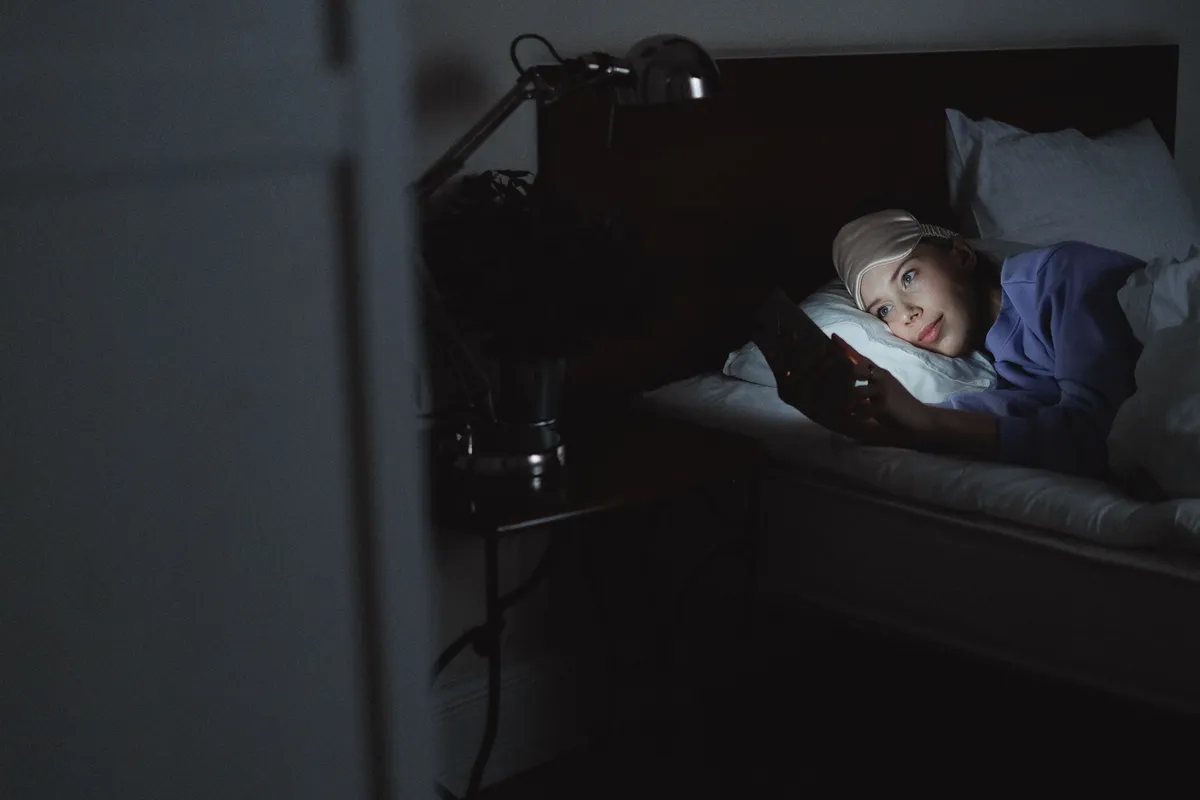
Blue light from evening screens suppresses melatonin and pushes your body clock later — and in midlife, when sleep is already fragile, that nudge matters more. But stimulating content and endless scrolling often disrupt sleep as much as the light. Aim for 60 screen-free minutes before bed, and chase bright light in the morning.
I resisted this one for a long time. My phone in bed was my little reward at the end of a long day — a bit of scrolling to "switch off." Except I wasn't switching off. I was lying in the dark, blue glow on my face, wondering why my brain wouldn't quiet down.
When I finally read what light actually does to a midlife body clock — and, more humblingly, what the scrolling does — I stopped blaming my hormones for all of it. Some of it was a habit I could actually change. Here's the honest version, including where the "blue light" panic is overblown and where it genuinely matters.
Does blue light from screens really hurt menopause sleep?
It contributes, though it isn't the whole story. Light in the evening — especially the blue wavelengths screens pump out — tells your brain it's still daytime, suppressing melatonin and shifting your body clock later. In midlife, when your sleep is already easily disrupted, that extra nudge has an outsized effect.
Melatonin is the hormone that signals "night" to your body, and it's meant to rise in the couple of hours before bed. Bright, blue-rich light hitting your eyes in that window blunts the rise, so you feel alert when you should feel drowsy. Add the naturally lighter, more fragile sleep of perimenopause and menopause, and a delayed melatonin signal turns into a genuinely harder time falling — and staying — asleep.
There's an age angle, too. Your body's own melatonin production gradually declines from your forties onward, so you have less of the signal to begin with. Suppressing what little you produce with a bright evening screen hits harder than it would have at 30. It's the same theme that runs through all of midlife sleep — the same input, a more sensitive system, a bigger consequence.
Is it the blue light or the scrolling that keeps you awake?
Both — and honestly, the scrolling often wins. The blue light delays melatonin, but the content spikes mental arousal: a work email, bad news, a comparison-triggering photo, an argument in the comments. That jolt of alertness is precisely what a menopausal nervous system, already prone to night-time anxiety, cannot easily switch off.
This is the part the "blue light" headlines miss. You could put on the most aggressive night-mode filter in the world, and if you're reading stressful emails at 11 p.m., your brain is switched firmly on. The device keeps you awake through two doors at once: the light through your eyes, and the stimulation through your attention. Closing only one door isn't enough.
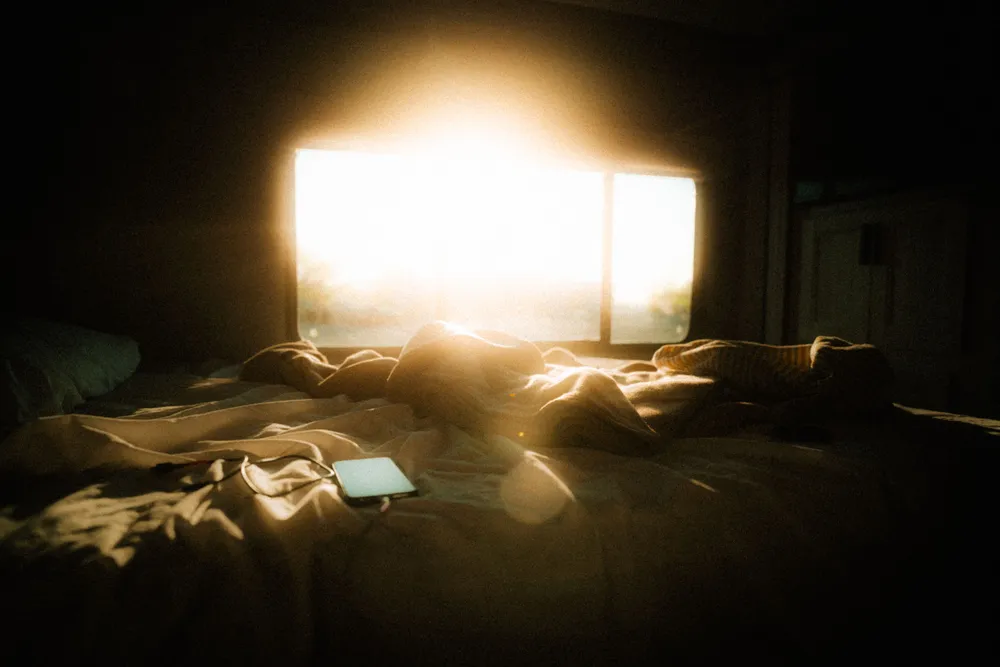
How long before bed should you put screens away?
Give yourself a 60-minute screen-free buffer before bed — or at least 30 if an hour feels unrealistic. That window lets melatonin climb naturally and lets your mind decelerate from the day. It's less about a magic number and more about creating a genuine gap between the stimulating world and sleep.
If a full hour sounds impossible, build it gradually:
- Start with 20 minutes and stretch it as it starts to feel good.
- Set a "last scroll" alarm, a gentle cue that the day's inputs are closing.
- Charge the phone outside the bedroom. The single most effective trick — if it's not on the nightstand, you won't reach for it at 3 a.m.
- Swap the device for an old-fashioned wind-down: a paper book, a warm caffeine-free drink, a bath.
Do blue-light glasses and night mode actually work?
A little, and less than the marketing claims. Night mode and blue-light-blocking glasses do cut the blue wavelengths, and some people find them helpful, but the research shows small and inconsistent effects on actual sleep. Crucially, they do nothing about the stimulating content — the door they leave wide open.
So treat them as a minor add-on, not a solution. If you already own blue-light glasses or your phone has night mode, by all means use them — they're low-cost and harmless. Just don't let them become permission to keep scrolling in bed, which is the actual problem they can't touch. The honest hierarchy: putting the screen down beats dimming it, and dimming it beats doing nothing.
What should you do instead in the wind-down hour?
Replace the screen with something genuinely calming, not just less stimulating. The goal of the last hour is to lower arousal and let melatonin rise, so the best swaps are quiet, analog, and a little bit boring. Pick two or three you actually enjoy, so it feels like a treat rather than a rule.
- Read a paper book (a gentle one, not a page-turner that keeps you up "one more chapter").
- Do a warm, caffeine-free ritual — herbal tea, a bath, or a shower that lets your body cool afterward.
- Try slow breathing or a body scan — the same calming steps that help with night-time anxiety.
- Prep tomorrow on paper. A quick to-do list gets the mental chatter out of your head and onto the page, so you're not rehearsing it at 2 a.m.
Does it matter whether it's your phone, TV, or e-reader?
Distance and content matter more than the device itself. A phone held inches from your face delivers far more light to your eyes than a TV across the room — and it's also the most personal, most stimulating, most endlessly scrollable screen you own. That combination makes the phone in bed the worst offender by a wide margin.
A rough hierarchy, worst to best: phone in bed (bright, close, infinitely engaging), then tablet, then laptop, then a TV watched from across a dim room (further away and more passive).
E-readers are a happy special case: a front-lit e-ink reader on a warm, dim setting is one of the gentlest ways to read in bed, because there's no blue-heavy backlight and no bottomless feed to fall into. If you love reading yourself to sleep, that's a genuinely good swap for the phone.
How does morning light help you sleep at night?
It's the flip side of the whole story, and it's underrated. Bright light in the morning anchors your body clock, which makes melatonin rise on time that evening and deepens your night-time sleep. If evening light is the villain, morning light is the quiet hero. We cover it properly in morning light for menopause sleep.
Ten to twenty minutes of daylight within an hour of waking — ideally outdoors, even on a cloudy day — does more for your body clock than any gadget. It pairs beautifully with a short morning walk, which also helps sleep in its own right (see exercise and sleep during menopause). Think of it as setting a timer in the morning that pays out as sleepiness at the right hour that night.
And keep it consistent. Your body clock responds to a regular signal, so getting that light at roughly the same time each day — weekends included — works far better than an occasional big dose. Pair a steady wake time with morning light and an earlier screen curfew, and you're pushing your whole rhythm in the same direction instead of fighting it every night.
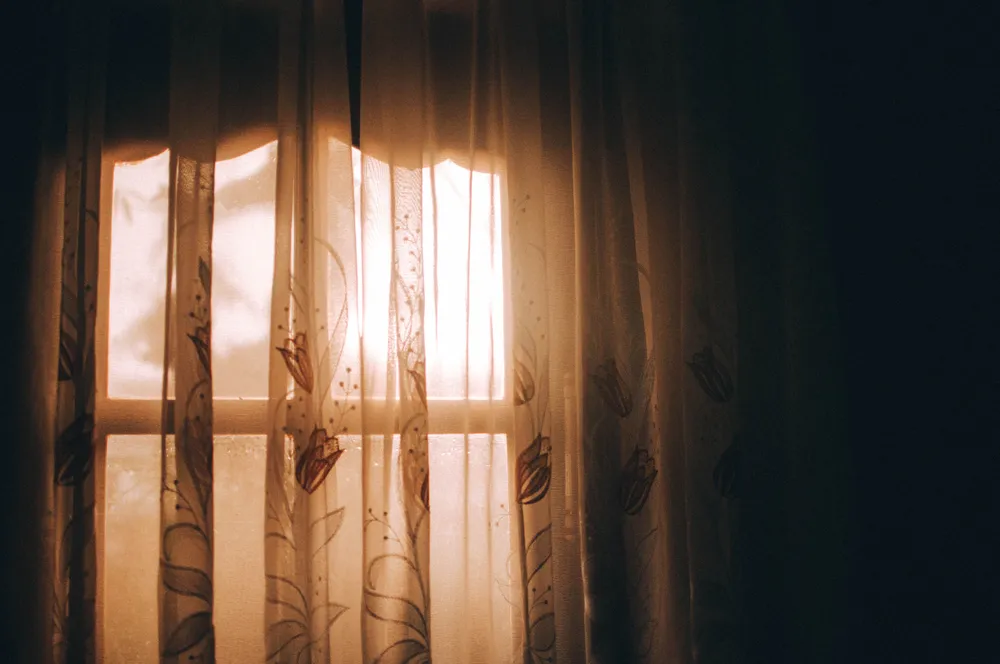
Your body clock reads light like a message. All evening you've been telling it "still daytime, stay alert" — then wondering why it won't say goodnight on cue.
Where to go from here
Screens are one lever in a much bigger system. For the full map of why midlife sleep changes and every evidence-based fix in order, start with the complete perimenopause and menopause sleep guide. Pair an earlier screen curfew with a caffeine curfew for two easy wins, and if a racing mind is your real bedtime problem, our guide to menopause insomnia and anxiety at night goes deeper.
Key takeaways
- Blue light from screens can delay sleep by suppressing melatonin, but for most people the bigger problem is the stimulating content and the scrolling.
- Putting screens away 30–60 minutes before bed helps far more than any single gadget.
- Blue-light glasses and night mode have only modest effects and are no substitute for actually stopping the scroll.
- A calm, screen-free wind-down hour does more for menopausal sleep than blocking blue light alone.
- Bright morning light matters just as much — it anchors your body clock so melatonin arrives on time at night.
Frequently asked questions
Does blue light from screens really hurt menopause sleep?
It contributes, but it's not the whole story. Evening light, especially the blue wavelengths from screens, suppresses melatonin and pushes your body clock later. In midlife, when sleep is already fragile, that nudge matters more. But the stimulating content and the scrolling often disrupt sleep as much as the light itself.
Is it the blue light or the scrolling that keeps me awake?
Both, and often the scrolling wins. Blue light delays melatonin, but emails, news, and social media spike mental arousal and keep your nervous system switched on, which is exactly what a menopausal brain struggles to power down. A dimmed screen showing stressful content will still wreck your wind-down.
How long before bed should I put screens away?
Aim for 60 minutes screen-free before bed, or at least 30 if that feels impossible. That window lets melatonin rise naturally and lets your mind downshift. If you must use a device, dim it fully, switch on night mode, and keep the content calm rather than stimulating or work-related.
Do blue-light glasses and night mode actually work?
The evidence is mixed and modest. Night mode and blue-light glasses reduce the blue wavelengths, which may help a little, but studies show small and inconsistent effects. They do nothing about the stimulating content. Treat them as a minor add-on, not a substitute for actually putting the screen down earlier.
Does morning light help me sleep better at night?
Yes, and it's underrated. Bright light within an hour of waking anchors your body clock, which makes melatonin rise on time that evening and deepens night-time sleep. Ten to twenty minutes outdoors in the morning is one of the most powerful, and most overlooked, levers for midlife sleep.
Sources cited
- Harvard Health. Blue light has a dark side. health.harvard.edu
- Sleep Foundation. How Blue Light Affects Sleep. sleepfoundation.org
- American Academy of Sleep Medicine (AASM). Healthy sleep habits. aasm.org
- The North American Menopause Society (NAMS). Sleep and the menopause transition. menopause.org

Ellen Hayes
Health & Wellness Writer and Researcher
Hi — I'm Ellen. If you're reading this at some ungodly hour because your brain flipped on at 3 a.m. and won't shut off… I get it. I'm right there with you. I'm somewhere in the middle of midlife, deep in perimenopause, and lately sleep and I have a complicated relationship.
I'm not a doctor. I'm not an expert — and I'm never going to talk down to you like one. I'm just a woman who got tired of vague answers ("it's just your age," "try to relax") and decided to actually read the research myself. Then I write it down here, in plain English, the way I'd explain it to a friend over coffee — phone in the other room. More about Ellen →