Why Menopause Gives You Such Vivid Dreams (and Nightmares)
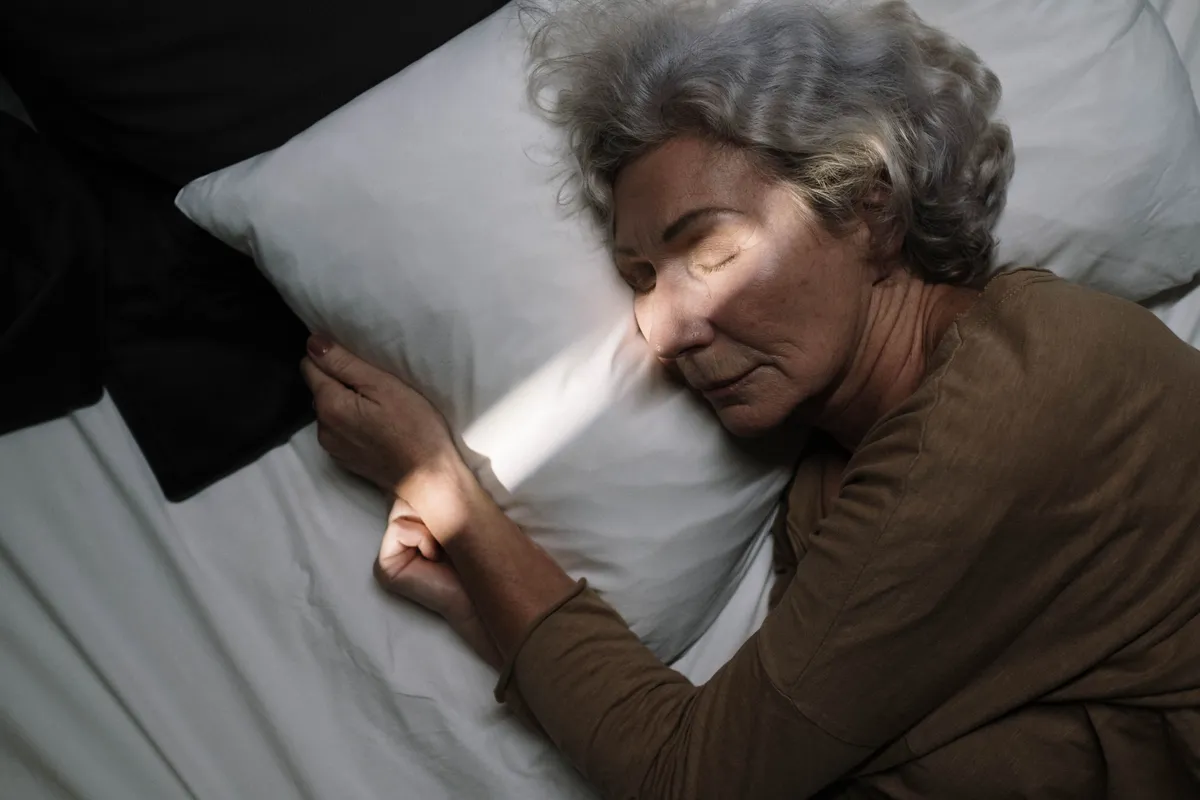
Menopause brings vivid dreams and nightmares mostly because your sleep is more broken. Waking often in the second half of the night means you surface during REM sleep, when dreams are richest, so you recall them intensely. Falling hormones, anxiety, hot flashes, alcohol, and melatonin all add fuel. Calming the dreams starts with steadying the sleep underneath them.
Mine started as a run of oddly cinematic dreams — long, detailed, emotionally exhausting, the kind you wake from feeling like you've actually lived through something. Then came a stretch of genuine nightmares, vivid enough that I'd lie there afterward, heart pounding, half-convinced they were real.
I assumed I was just stressed. It turned out to be one more thing hormones were quietly doing — and, reassuringly, one more thing with an explanation and a set of fixes. If your dream life has gone strangely loud in midlife, here's what's behind it.
Why do you get vivid dreams and nightmares during menopause?
Mostly because your sleep is fragmented. Everyone dreams every night, but you only remember dreams you wake up during or just after. Menopausal sleep is broken and lightest in the second half of the night — exactly when REM (dreaming) sleep dominates — so you surface mid-dream far more often and recall it in vivid detail.
Several menopausal threads feed into it at once:
- More night-time awakenings mean more chances to wake during REM and remember the dream.
- Falling hormones affect mood chemistry, which can make dreams more emotionally charged and unsettling.
- Rising anxiety — a hallmark of menopausal nights — feeds directly into nightmare content.
- Hot flashes and night sweats jolt you awake mid-REM, freezing the dream in memory.
So it's less that your imagination has gone wild and more that a broken night keeps yanking you out of the dreaming stage with the film still rolling.
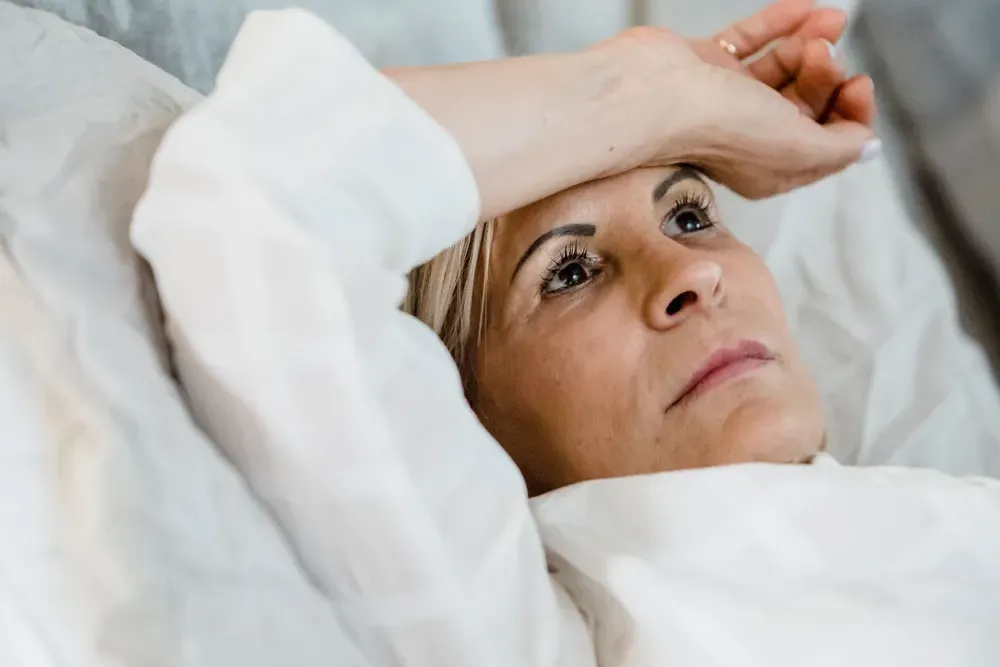
What's actually happening in your brain — the REM connection?
It comes down to REM sleep and when you wake. REM — rapid eye movement sleep — is the stage where the most vivid, story-like dreams happen, and it's concentrated in the second half of the night. Wake during or right after a REM period and the dream transfers into memory; sleep through it and it evaporates.
There's a second twist called REM rebound. When your REM sleep gets suppressed — by alcohol, by fragmented nights, by stress — your brain tries to "catch up" later in the night with longer, more intense REM. That rebound is a classic recipe for the kind of technicolor, exhausting dreams so many midlife women describe. It's a big part of why that evening glass of wine can hand you strange dreams at 4 a.m.
There's a reason these dreams feel so emotional, too. During REM, the brain's emotional centers run hot while the rational, calming prefrontal cortex goes quiet — that's normal for everyone.
But when menopausal anxiety and shifting hormones raise your baseline emotional reactivity, that nightly imbalance tips further toward the dramatic and the frightening. So midlife dreams aren't just more memorable; for many women they genuinely become more intense and unsettling in tone, not only easier to recall.
Are vivid dreams a sign something's wrong?
Usually not — on their own, they're a normal, if unsettling, part of the transition. Vivid dreams reflect broken sleep and shifting hormones, not a disease. That said, dreams are worth a closer look when they turn into frequent, distressing nightmares, when they're tied to trauma, or when they arrive alongside low mood or anxiety.
The line to watch is impact. An occasional weird or intense dream is just noise from a busy night. Nightmares that recur, that leave you dreading bed, or that pair with daytime mood changes deserve a conversation with a clinician — not because dreaming is dangerous, but because persistent nightmares are treatable and can be a flag for mood or medication issues worth addressing.
Can hot flashes and night sweats cause bad dreams?
Indirectly, yes — through timing and distress. A hot flash tends to strike in the small hours, right in prime REM territory. It wakes you mid-dream (locking it into memory) and floods your body with heat and a racing heart, which can bleed into the dream's emotional tone, turning a neutral dream anxious or frightening.
This is why cooling the night often calms the dreams as a side effect. Fewer flashes mean fewer abrupt REM awakenings and less physical alarm coloring your dreams. The whole toolkit lives in our guides to staying cool at night and natural remedies for night sweats — treat the heat, and the dream life often settles alongside it.
Do supplements and medications cause vivid dreams?
Some do, and it's worth knowing which. Melatonin is the big one: it can boost REM sleep and dream vividness, especially at higher doses, so a supplement meant to help sleep can hand you strange dreams instead. Certain antidepressants and changes in hormone therapy can also shift dream intensity.
- Melatonin. A common culprit. If dreams got intense after you started it or upped the dose, drop to a low dose (0.3–1 mg) or pause it — see does melatonin work for menopause insomnia?
- Alcohol. Suppresses REM early, then triggers a vivid rebound later — a reliable nightmare-maker.
- Some antidepressants (SSRIs) can intensify or suppress dreaming; mention it to your prescriber, never stop abruptly.
- Hormone therapy changes. Starting or adjusting HRT can shift sleep architecture and dreams; usually settles as your body adjusts.
What can you do to calm intense dreams?
Steady the sleep underneath them, and lower the stress going in. Because vivid dreams ride on fragmented, REM-heavy nights, the same habits that improve menopausal sleep generally quiet the dreams too. Add a couple of targeted tricks for recurring nightmares and most women see real relief.
- Cool the room and cut evening alcohol. Fewer flashes and no REM rebound means fewer abrupt, vivid awakenings.
- Wind down the mind, not just the body. The calming steps for night-time anxiety lower the emotional charge you carry into sleep.
- Review your melatonin. Lower the dose or pause it if dreams spiked after you started.
- Keep a dream journal. Writing a recurring nightmare down — then, while awake, mentally "rewriting" it with a calmer ending (a technique called imagery rehearsal) — genuinely reduces how often distressing dreams return.
- Protect the second half of the night. A fixed wake time and a dark, cool room steady the REM-heavy hours where the intense dreams live.
- Ease off the late-night thriller. Whatever you watch or read right before bed feeds the night's dreams, so when nightmares are frequent, swap the tense true-crime or doom-scrolling for something gentle. (More on screens before bed.)

When should you talk to a doctor?
Reach out if the dreams are stealing your rest or your peace. Vivid dreams themselves are harmless, but their fallout isn't always. Book a visit if nightmares are frequent or distressing enough that you dread sleep, if they follow trauma, if they pair with low mood or anxiety, or if they began after a new medication.
A clinician can check whether a medication is the trigger, screen for mood conditions that amplify nightmares, and point you toward treatments like imagery rehearsal therapy or CBT for the anxiety underneath. If a racing, anxious mind is the real driver, our guide to CBT-I is a good next read too.
The dreams feel like your mind unravelling. They're really just a broken night handing you the footage you'd normally sleep straight through.
Where to go from here
Vivid dreams are a symptom of the same disrupted sleep everything else in menopause disrupts — so the fixes overlap. Start with the complete perimenopause and menopause sleep guide for the full picture. If you wake in the small hours (prime dream territory), pair this with the 3 a.m. wake-up protocol, and if anxiety is coloring your dreams, our guide to menopause insomnia and anxiety at night goes deeper.
Key takeaways
- Vivid dreams and nightmares are common in menopause, tied to disrupted, REM-heavy sleep.
- Frequent night waking means you surface during REM more often, so you remember dreams vividly.
- Intense dreams are usually harmless, not a sign that something is wrong.
- Hot flashes, night sweats, stress, and some supplements or medications can all amplify them.
- Calmer, cooler, more consistent sleep usually settles them; see a doctor if nightmares are frequent or distressing.
Frequently asked questions
Why do I have such vivid dreams during menopause?
Mostly because your sleep is more broken. When you wake often in the second half of the night, you surface during or just after REM sleep, which is when dreams are richest, so you remember them far more vividly. Falling hormones, rising anxiety, hot flashes, and alcohol all add to more intense, emotional dreams.
Are vivid dreams and nightmares a normal part of perimenopause?
Yes, they're a common and under-discussed part of it. The same hormonal shifts and fragmented sleep that cause insomnia also make dreams more vivid and sometimes disturbing. It doesn't usually signal anything wrong on its own, though frequent, distressing nightmares are worth mentioning to your doctor.
Does melatonin cause vivid dreams?
It can, especially at higher doses. Melatonin can increase REM sleep and dream vividness for some people, which is why a lower dose (0.3 to 1 mg) is usually better. If your vivid dreams started after beginning melatonin or raising the dose, try lowering it or stopping to see if they settle.
Can hot flashes and night sweats cause bad dreams?
Indirectly, yes. A hot flash or night sweat often wakes you during REM sleep, which both interrupts the dream and burns it into memory. The physical distress and overheating can also color the dream's emotional tone, so cooling the room and reducing flashes tends to calm the dreams too.
When should I see a doctor about menopausal nightmares?
See a clinician if nightmares are frequent, distressing, or making you dread sleep, if they're tied to trauma, or if they come with low mood or anxiety. Also mention them if they started after a new medication. Persistent nightmares are treatable, and it's worth ruling out mood conditions and medication effects.
Sources cited
- Sleep Foundation. REM Sleep and Dreams. sleepfoundation.org
- The North American Menopause Society (NAMS). Sleep and the menopause transition. menopause.org
- American Academy of Sleep Medicine (AASM). Nightmares and imagery rehearsal therapy. aasm.org
- Cleveland Clinic. Why Do We Dream? clevelandclinic.org

Ellen Hayes
Health & Wellness Writer and Researcher
Hi — I'm Ellen. If you're reading this at some ungodly hour because your brain flipped on at 3 a.m. and won't shut off… I get it. I'm right there with you. I'm somewhere in the middle of midlife, deep in perimenopause, and lately sleep and I have a complicated relationship.
I'm not a doctor. I'm not an expert — and I'm never going to talk down to you like one. I'm just a woman who got tired of vague answers ("it's just your age," "try to relax") and decided to actually read the research myself. Then I write it down here, in plain English, the way I'd explain it to a friend over coffee. More about Ellen →