Menopause and Acid Reflux at Night: Why It Happens and What Helps
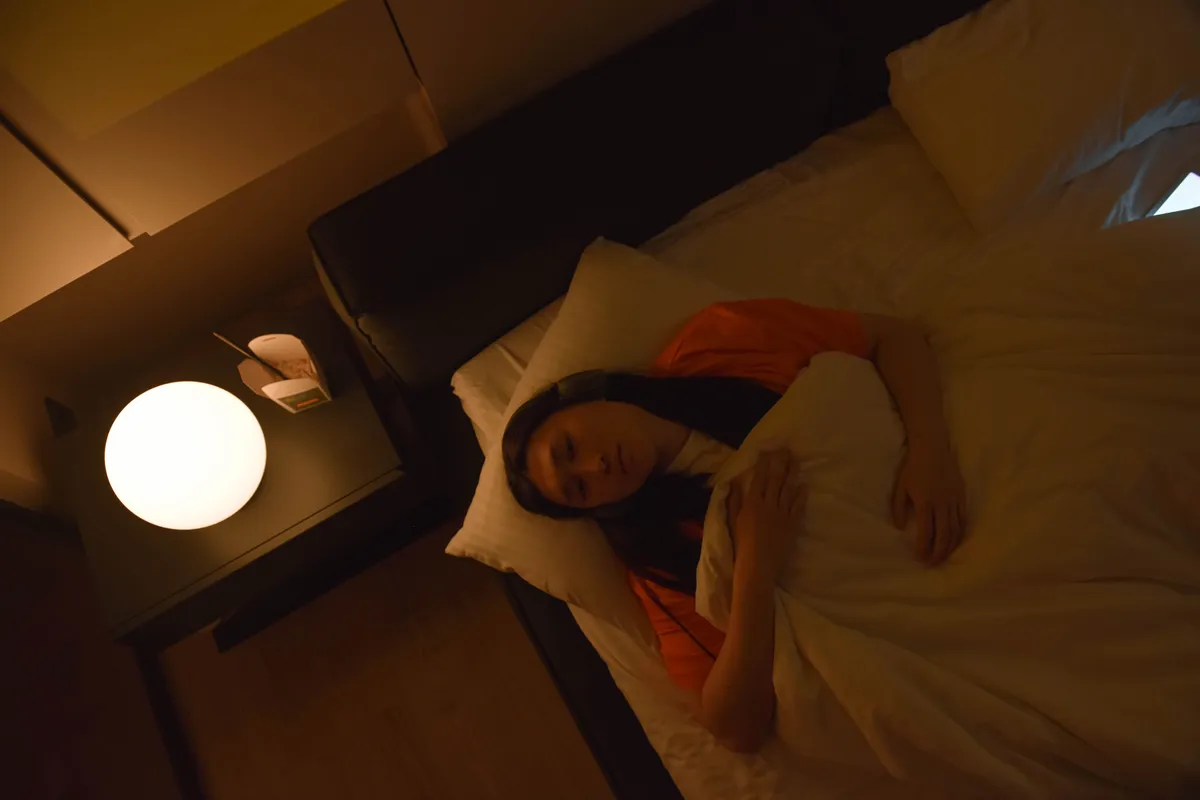
Acid reflux gets worse in menopause because falling estrogen and progesterone weaken the valve above the stomach and slow digestion, while shifting weight adds pressure. At night, lying flat removes gravity's help, so acid travels up and stays longer. It often wakes you as a cough, a sour taste, or plain wakefulness — not heartburn.
This one took me an embarrassingly long time to connect. For months I'd wake somewhere in the small hours with a cough, a sore throat, and the vague sense I'd swallowed something wrong. I blamed the dry air. I blamed the cat. I bought a humidifier. It never once occurred to me that the problem was starting in my stomach.
What finally sent me to the research was a throwaway line in a menopause forum: "reflux is a menopause symptom nobody lists." Turns out there's more behind that than folklore — there's a hormonal mechanism, a prevalence study with numbers that surprised me, and the uncomfortable finding that hormone therapy can make it worse. Here's what I learned, and what it changed about my nights.
Why does menopause cause acid reflux?
Because the same hormones that steadied your sleep also governed the muscle keeping acid where it belongs. A ring of muscle, the lower esophageal sphincter, sits between the esophagus and the stomach, opening only for food. Estrogen and progesterone both influence smooth muscle tone and how quickly the stomach empties — so when they fluctuate, that valve becomes less reliable.
Estrogen is the more tangled of the two. It boosts nitric oxide, a natural muscle relaxant, which loosens the valve — yet estrogen also helps protect the esophageal lining, which is why the research on hormones and reflux points in more than one direction. Progesterone is simpler and more familiar to anyone who's been pregnant: it relaxes smooth muscle throughout the body, which is exactly why pregnancy heartburn is so common.
Three other midlife changes stack on top:
- Weight redistributing to the abdomen — the same shift that shows up elsewhere in menopause increases pressure on the stomach from below.
- Slower gastric emptying, so there's still food in the stomach when you lie down.
- Stress and broken sleep, which heighten how intensely you perceive acid — the same amount of reflux simply hurts more when you're exhausted and wired.
How common is reflux in midlife?
Far more common than the symptom lists suggest — and mostly undiagnosed. A study across the menopause transition found menopausal women were nearly three times more likely to report reflux symptoms than premenopausal women, with roughly four in ten perimenopausal women affected. The detail that stopped me was how few had ever been told what it was.
That 80% is the whole problem in one number. If nearly half of us have the symptoms and four in five have never had a name put to them, then an enormous number of midlife women are lying awake at 3 a.m. blaming stress, or their mattress, or themselves — when the cause is mechanical, well understood, and largely fixable.
Why is reflux so much worse at night?
Gravity stops helping the moment you lie down. Upright, acid that escapes gets pulled back quickly; flat on your back, it can travel up the esophagus and pool there. You also swallow far less while asleep and produce less saliva, which is the body's natural acid neutralizer — so each episode lasts longer and does more irritating.
Timing conspires too. Dinner eaten late is still in the stomach at bedtime, and the evening glass of wine relaxes the same valve the hormones are already loosening — which is one more mechanism to add to the ones in our piece on how alcohol affects menopause sleep. Together, they explain why the same body copes fine all day and struggles the moment the light goes off.

Can reflux be what's actually waking you?
Yes, and often without any burning at all. Nighttime reflux is frequently "silent": the acid reaches the throat and airway rather than producing classic chest heartburn, so it shows up as a cough, a choking sensation, a hoarse morning voice, or simply a sudden awakening with no obvious reason. Many only connect it after noticing it follows late meals.
Signs worth taking seriously as clues:
- Waking with a sour or bitter taste, or a burning at the back of the throat
- A dry cough or throat-clearing that's worse at night and in the morning
- Hoarseness on waking that eases through the day
- Waking within two or three hours of a late meal, repeatedly
- Sleeping better, by accident, on nights you ate early or propped yourself up
There's an important overlap here as well: reflux and obstructive sleep apnea travel together, each making the other more likely, and both become more common after menopause. If your nights involve snoring, gasping, or unrefreshing sleep alongside the throat symptoms, read menopause and sleep apnea next — treating one often improves the other.
Don't self-diagnose chest pain. Reflux and cardiac pain can feel alike, and women's heart symptoms are already under-recognized. Chest pain or pressure with breathlessness, sweating, nausea, or pain spreading to the jaw or arm is an emergency — call your local emergency number. Our piece on nighttime palpitations covers the red flags in more detail.
Does hormone therapy make reflux better or worse?
The evidence points, uncomfortably, toward worse. In an analysis of more than 51,000 postmenopausal women in the Nurses' Health Study, current estrogen users had about 66% higher odds of reflux symptoms than women who had never used hormones, and combined estrogen-progesterone users about 41% higher. Risk rose with higher doses and longer use, suggesting a genuine hormonal effect.
That isn't an argument against HRT, and I want to be careful here: this is observational data about a symptom, not about danger, and for many women the benefits of hormone therapy comfortably outweigh some heartburn. But it's honest information you deserve before starting — and it explains a frustrating experience I've seen described more than once, where HRT fixes the hot flashes and quietly introduces a new reason to wake up.
The same logic applies to progesterone taken for sleep: it relaxes smooth muscle, including that valve, so a medication genuinely helping one part of your night can aggravate another. If reflux appears after starting or changing hormones, that's worth telling your prescriber rather than abandoning either treatment. Dose, form, and timing can often be adjusted. For the fuller picture, see our honest look at HRT.
What actually helps at night?
Position and timing do most of the work, and both are free. Major gastroenterology guidelines recommend raising the head of the bed and avoiding meals within two to three hours of lying down when reflux is nocturnal. Sleeping on your left side helps for anatomical reasons, and trimming the classic evening triggers handles the rest.
| What to change | Why it works |
|---|---|
| Raise the head of the bed 6–8 inches | Uses gravity all night. Blocks under the bedposts or a wedge under the mattress — stacking pillows bends you at the waist and can raise stomach pressure instead |
| Sleep on your left side | On the right, the stomach's contents pool against the esophageal junction; on the left, that junction sits above them |
| Finish eating 3 hours before bed | An empty stomach has far less to send back up when you lie flat |
| Skip the evening wine | Alcohol relaxes the same valve hormones are already loosening — and fragments the second half of the night |
| Loosen the waistband | Tight clothing and elastic bands raise abdominal pressure, pushing acid upward |
Trigger foods are real but personal. Chocolate, mint, coffee, citrus, tomato, spice, and fatty or fried meals are the usual suspects — peppermint tea, ironically, relaxes the valve too, which makes it a poor bedtime choice if reflux is your issue. Rather than eliminating everything at once, cut one for two weeks and see whether the nights change. And if caffeine is already on your list for other reasons, it's doing double damage here.

When to stop managing it yourself
Book an appointment if reflux wakes you more than twice a week, if you're reaching for antacids regularly, or if a few weeks of the changes above haven't shifted it.
Persistent nighttime reflux isn't only a sleep problem — over years it can irritate the esophagus in ways worth catching early, and there are effective treatments beyond lifestyle. Go sooner if you have trouble swallowing, food sticking, unexplained weight loss, vomiting blood, or black stools.
I spent months treating a symptom of my stomach as a problem with my bedroom. The humidifier wasn't wrong, exactly — it just wasn't the answer. Sometimes the useful question isn't "how do I sleep better," but "what, specifically, is waking me?"
Where to go from here
If reflux turns out to be your night-waker, place it inside the bigger picture with the complete perimenopause and menopause sleep guide. If you also wake with a pounding heart, read nighttime palpitations so you can tell the two apart; if the wake-ups come with snoring or morning fog, sleep apnea is the one to rule out. And for the two evening habits that touch reflux and sleep alike, see alcohol and what to eat in the evening.
Key takeaways
- Falling estrogen and progesterone loosen the valve between esophagus and stomach and slow gastric emptying, so acid escapes upward more easily in midlife.
- Menopausal women were 2.9 times more likely to report reflux symptoms than premenopausal women — and 80% had never been diagnosed with any upper GI condition.
- Lying flat removes gravity and reduces the swallowing and saliva that neutralize acid, so nighttime episodes last longer and irritate more.
- Nighttime reflux often has no heartburn: a cough, choking, a sour taste, or morning hoarseness may be the only signs it's what woke you.
- Hormone therapy can worsen reflux — estrogen users in a 51,000-woman study had higher odds of symptoms — so mention it to your prescriber rather than stopping treatment.
- Raising the head of the bed, sleeping on the left side, and finishing dinner three hours before bed do more than any pillow arrangement.
Frequently asked questions
Can menopause cause acid reflux at night?
Yes. Falling estrogen and progesterone affect the muscular valve between the esophagus and stomach and slow how quickly the stomach empties, so acid escapes upward more easily. Lying flat removes gravity's help, which is why reflux that's manageable by day can become the thing that wakes you at night.
How do I know if reflux is what's waking me up?
Nighttime reflux often arrives without classic heartburn. Suspect it if you wake coughing or choking, with a sour or bitter taste, a hoarse voice or sore throat in the morning, or a dry cough that has no other explanation. Waking within a few hours of a late meal is another strong clue.
Does HRT make acid reflux worse?
It can. A large study of over 51,000 postmenopausal nurses found current estrogen users had higher odds of reflux symptoms than women who never used hormones, with risk rising at higher doses. Progesterone also relaxes smooth muscle. It isn't a reason to avoid HRT, but it's worth raising if reflux appears.
Is it better to sleep on my left or right side with reflux?
The left side. Lying on your right places the junction between esophagus and stomach below the pool of stomach contents, which makes reflux easier. Sleeping left side down keeps that junction above the acid. Raising the head of the bed itself adds gravity, and works better than stacking extra pillows.
When should I see a doctor about nighttime reflux?
See a doctor if reflux wakes you more than twice a week, doesn't respond to changes at home, or needs regular antacids. Seek urgent care for trouble swallowing, food sticking, unexplained weight loss, vomiting blood, black stools, or chest pain, which can look like reflux but need heart assessment first.
Sources cited
- Infantino M. The prevalence and pattern of gastroesophageal reflux symptoms in perimenopausal and menopausal women. J Am Acad Nurse Pract. 2008;20(5):266–272. pubmed.ncbi.nlm.nih.gov
- Jacobson BC, Moy B, Colditz GA, Fuchs CS. Postmenopausal hormone use and symptoms of gastroesophageal reflux. Arch Intern Med. 2008;168(16):1798–1804. pubmed.ncbi.nlm.nih.gov
- Katz PO, Dunbar KB, Schnoll-Sussman FH, Greer KB, Yadlapati R, Spechler SJ. ACG clinical guideline for the diagnosis and management of gastroesophageal reflux disease. Am J Gastroenterol. 2022;117(1):27–56. journals.lww.com
- Kang A, Khokale R, Awolumate OJ, Fayyaz H, Cancarevic I. Is estrogen a curse or a blessing in disguise? Role of estrogen in gastroesophageal reflux disease. Cureus. 2020. pubmed.ncbi.nlm.nih.gov
- Cleveland Clinic. GERD (chronic acid reflux): symptoms, causes and treatment. clevelandclinic.org
- Mayo Clinic. Gastroesophageal reflux disease (GERD). mayoclinic.org

Ellen Hayes
Health & Wellness Writer and Researcher
Hi — I'm Ellen. If you're reading this after waking up coughing for the fourth night running and wondering what on earth is wrong with your bedroom — I've been exactly there, humidifier and all.
I'm not a doctor. I'm not an expert — and I'm never going to talk down to you like one. I'm a woman in the middle of perimenopause who got tired of vague answers, started reading the actual research, and writes it down here in plain English, the way I'd explain it to a friend over coffee. More about Ellen →