Foods That Help You Sleep During Perimenopause (and What to Avoid After 6 PM)
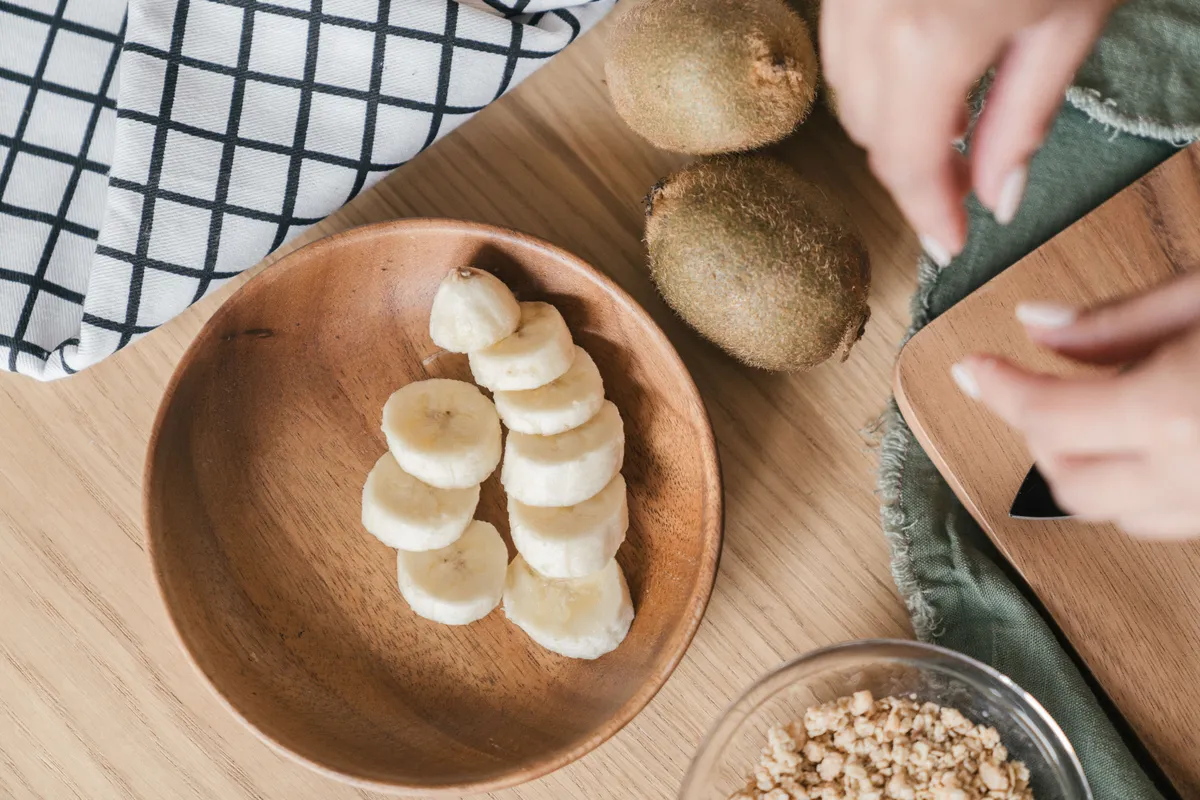
The best sleep foods for perimenopause pair a complex carb with a little protein at dinner, plus magnesium-rich seeds and nuts and melatonin-containing foods like tart cherries and kiwi. Just as important is what to skip after 6 p.m.: caffeine, alcohol, spicy dishes, and heavy or sugary meals. Food won't cure insomnia, but a steady evening plate genuinely helps.
For a long time I treated dinner as an afterthought — a glass of wine, something quick, maybe something sweet on the sofa. Then I started paying attention and noticed a pattern: the nights I woke at 3 a.m., heart going, were almost always the nights after wine and a sugary dessert. It wasn't a coincidence.
Food isn't a magic sleeping pill, and I won't pretend it is. But in perimenopause, when your body is already more reactive, what and when you eat in the evening can tip a night one way or the other. Here's the simple version of what helps, what to skip, and why — no complicated meal plans required.
What foods actually help you sleep during perimenopause?
The ones that support your body's own sleep chemistry. That means foods rich in tryptophan (which becomes serotonin, then melatonin), the complex carbs that help it reach your brain, magnesium and calcium to calm the nervous system, and a few foods that naturally contain melatonin. You don't need all of them — just a few, most evenings.
- Tryptophan foods: turkey, chicken, eggs, dairy, tofu, and oats — the building block for melatonin.
- Complex carbs: oats, whole grains, sweet potato — they help tryptophan actually cross into the brain.
- Magnesium-rich foods: pumpkin seeds, almonds, leafy greens, and legumes. (More in our guide to the best magnesium for sleep during menopause.)
- Natural melatonin foods: tart cherries, kiwi, and walnuts.
- Calcium and vitamin B6: dairy, fortified plant milks, bananas, and fish, which help your body make and use melatonin.
Why does what you eat affect menopausal sleep so much?
Because food steadies (or shakes) two things that rule your nights: digestion and sleep chemistry. A sugary or heavy late meal works against you through reflux, body temperature and the sheer work of digesting it — the blood sugar crash you may have read about is far less established than it sounds, and we take that claim apart in blood sugar and menopause sleep.
Meanwhile, the right foods supply the raw materials your brain uses to make melatonin.
Perimenopause turns up the volume on all of this. As estrogen falls, your blood-sugar control and your stress response both become more reactive, so the 9 p.m. ice cream that you got away with at 30 now shows up as a 3 a.m. wake-up at 48. It's not that your willpower changed — your physiology did. The good news is that steadier eating gives your body less to react to.
What should you put on your evening plate?
Aim for a balanced, moderate dinner: some protein, a complex carb, and vegetables, finished two to three hours before bed. You want to go to bed neither stuffed nor hungry — both wreck sleep. Think baked salmon with sweet potato and greens, or a lentil bowl, rather than a huge plate of pasta or a tiny "diet" dinner that leaves you raiding the cupboard at 10 p.m.
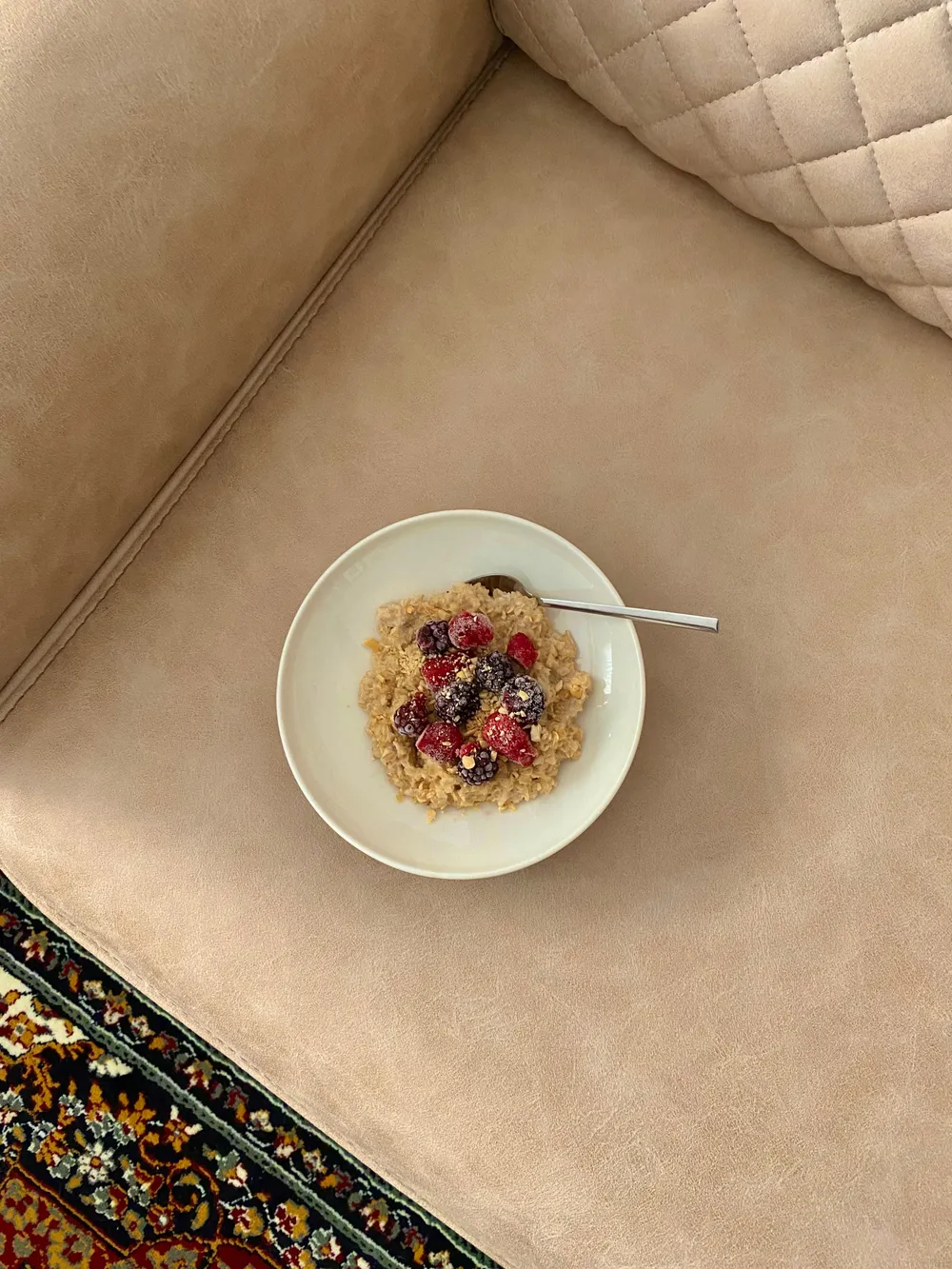
If you're truly hungry closer to bedtime, a small snack is better than lying awake with a growling stomach. The best bedtime snacks combine a little carb and protein, or lean on a melatonin food:
- A kiwi or two, or a small bowl of tart cherries.
- A banana with a spoonful of nut butter.
- A small bowl of oats or whole-grain toast.
- A few almonds or pumpkin seeds with a little yogurt.
What foods and drinks should you avoid after 6 PM?
This is where the biggest, fastest wins hide. Cutting a few evening habits does more for most women than adding any "sleep food." These are the ones worth moving earlier in the day or skipping at night:
| Skip in the evening | Why it wrecks sleep |
|---|---|
| Alcohol | Helps you fall asleep, then fragments it and triggers night sweats |
| Caffeine (incl. tea, cola, chocolate) | Lingers longer after 40; delays sleep and can spark hot flashes |
| Spicy food | Raises body temperature and triggers flashes and sweats |
| Heavy, fatty meals | Slow digestion and reflux keep you awake and warm |
| Sugary desserts | Blood-sugar spike then crash wakes you in the small hours |
| Lots of fluid late | More bathroom trips fragment already-fragile sleep |
Is a glass of wine really that bad for sleep?
It's the trickiest one, because wine genuinely feels like it helps — it does make you drowsy. But alcohol is the single most disruptive thing most women drink in the evening: it knocks you out, then fragments the second half of the night and reliably triggers hot flashes and small-hours waking.
I'm not going to tell you to never drink again — this is a life-you-can-actually-live blog, not a lecture. But it's worth knowing the trade you're making: that relaxing glass buys you an easier bedtime and a worse night.
If you want proof, try two weeks alcohol-free and watch your sleep — most women are genuinely surprised by the difference. And if you do drink, keep it earlier and lighter (one glass with dinner rather than a nightcap), with water alongside, so your body has finished processing it before you lie down.
Do tart cherries, kiwi, and warm milk really work?
Modestly, and some better than others. These aren't sedatives, but a few "sleep foods" have real (if small) evidence behind them, and all are low-risk and pleasant. Treat them as gentle helpers stacked on top of good habits, not as a cure you eat your way to.
Timing matters as much as the food itself. Most of these work best eaten an hour or two before bed rather than the moment your head hits the pillow — enough time to digest, so you're not trading insomnia for heartburn lying down. And none of them survive a nightcap: even a modest amount of alcohol will quietly undo the small edge a tart-cherry or kiwi habit gives you.
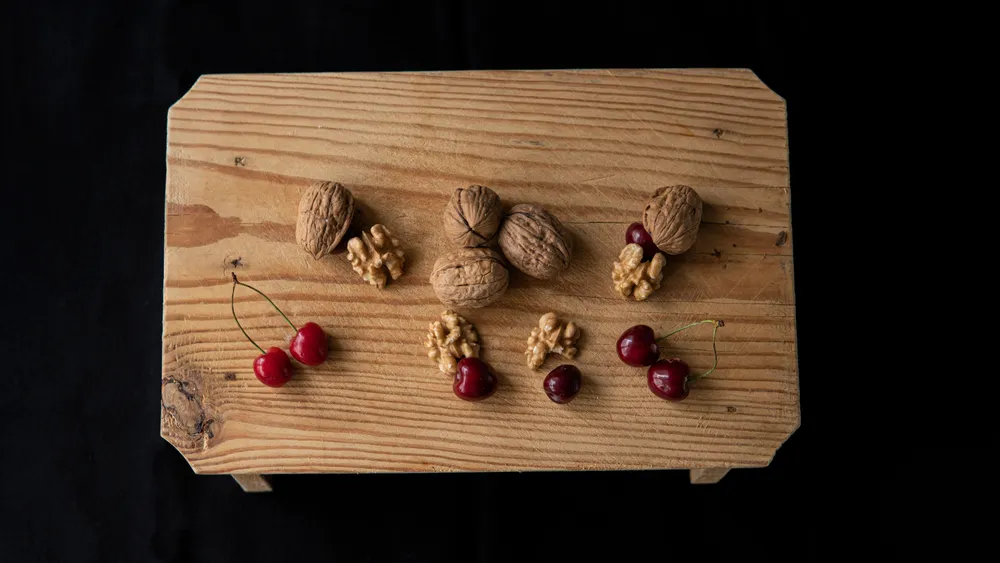
- Tart cherries: naturally contain melatonin; small trials link tart cherry juice to modestly better sleep.
- Kiwi: the standout in the research above — cheap, easy, and worth a two-week try.
- Warm milk: a little tryptophan plus a calming ritual. The comfort is real even if the effect is gentle.
- Chamomile tea: mild evidence, but a warm, caffeine-free wind-down drink is a good habit regardless.
Food won't knock you out. But a steady evening plate — and skipping the wine and sugar — removes the things that wake you up. Sometimes better sleep is less about what you add and more about what you take away.
What could a sleep-friendly evening look like?
You don't need a rigid plan — just a loose shape to the evening that keeps your blood sugar steady and winds you down. Here's one simple version you can bend to fit your life:
- Around 6–7 p.m.: a balanced dinner — protein, a complex carb, and vegetables — finished two to three hours before bed.
- After dinner: switch to water or a caffeine-free herbal tea, and put the wine and coffee away for the night.
- If you're hungry later: a small, melatonin-friendly snack — a kiwi, a few tart cherries, or a little bowl of oats.
- The last hour: dim the lights, sip a warm (not hot) drink, and let your body cool and settle.
None of this is about eating perfectly. It's about tilting the odds toward a calmer, cooler, steadier night more often than not — and being kind to yourself on the evenings it doesn't go to plan.
Where to go from here
And if you want the wider view rather than the evening plate, we looked at what the Mediterranean pattern really does for menopausal sleep — including the trial nobody has run.
Your evening plate is one lever among several. To make sure you're not falling short on the most sleep-relevant mineral, read our guide to the best magnesium for sleep during menopause. If cutting evening triggers is really about hot flashes for you, see natural remedies for night sweats and insomnia. And for the full picture of why midlife sleep changes and everything that helps, start with the complete perimenopause and menopause sleep guide.
Key takeaways
- What you eat in the evening shapes perimenopausal sleep through blood sugar, body temperature, and sleep-supporting nutrients.
- Sleep-friendly choices include foods rich in magnesium, tryptophan, and complex carbs — leafy greens, nuts, seeds, oats, and turkey.
- Avoid heavy, spicy, or sugary food and caffeine after about 6 p.m.
- Tart cherries, kiwi, and warm milk have modest but real evidence behind them.
- A light, balanced evening plate beats going to bed either stuffed or hungry.
Frequently asked questions
What is the best bedtime snack for menopause insomnia?
Keep it small and combine a complex carb with a little protein, or reach for a melatonin-rich fruit. Good options are a kiwi or two, a banana with a spoon of nut butter, a small bowl of oats, or a handful of tart cherries. The goal is steady blood sugar, not a full stomach.
Does eating late cause night waking during menopause?
It can, though not for the reason usually given. The blood sugar crash story is less established than it sounds in women without diabetes; reflux, digestion and body temperature are the documented routes. Try to finish dinner two to three hours before bed and keep it moderate — protein, complex carbs, and vegetables rather than sugar and heavy fat.
Should I avoid caffeine completely in perimenopause?
Not necessarily, but cut it off after midday. Caffeine lingers longer in your body after 40 and can trigger hot flashes as well as delay sleep. Watch the hidden sources too — chocolate, green and black tea, cola, and even decaf, which still contains a little caffeine.
Can warm milk actually help you sleep?
A little. Milk contains tryptophan, and the warm, familiar ritual is genuinely calming — though the effect is modest and partly comfort and habit. It's low-risk and pleasant, so if a warm milky drink helps you wind down, there's no reason to give it up. Just skip added sugar.
Do I need supplements, or can food be enough?
Food first is ideal — it's gentle and comes with other nutrients. But many midlife women still fall short of magnesium through diet alone, so a modest evening supplement can be a reasonable backup. Build the foundation with meals and habits, and treat supplements as a top-up, not a replacement.
Sources cited
- Lin HH, et al. Effect of kiwifruit consumption on sleep quality in adults with sleep problems. Asia Pac J Clin Nutr. 2011. pubmed.ncbi.nlm.nih.gov
- Sleep Foundation. The Best Foods To Help You Sleep. sleepfoundation.org
- NIH Office of Dietary Supplements. Magnesium — Fact Sheet. ods.od.nih.gov
- The North American Menopause Society (NAMS). Lifestyle and menopausal symptoms. menopause.org

Ellen Hayes
Health & Wellness Writer and Researcher
Hi — I'm Ellen. If you're reading this at some ungodly hour because your brain flipped on in the middle of the night and won't shut off… I get it. I'm right there with you. I'm somewhere in the middle of midlife, deep in perimenopause, and lately sleep and I have a complicated relationship.
I'm not a doctor. I'm not an expert — and I'm never going to talk down to you like one. I'm just a woman who got tired of vague answers ("it's just your age," "try to relax") and decided to actually read the research myself. Then I write it down here, in plain English, the way I'd explain it to a friend over coffee. More about Ellen →