Menopause Heart Palpitations at Night: Why They Happen and What Helps

Heart palpitations at night are common in menopause, when falling estrogen unsettles the nervous system that steadies your heartbeat, often alongside a hot flash's surge of adrenaline. Lying still, you simply notice it more. They're usually harmless — but chest pain, breathlessness, fainting, or a fast, irregular beat need urgent medical checking.
The first time it happened, I was sure something was seriously wrong. I'd just turned off the light when my heart started pounding — hard, fast, thumping right up into my throat — for no reason at all. I lay there rigid, one hand on my chest, counting the beats and quietly panicking. By the time I'd convinced myself to stay calm, it had passed.
It took me a while, and some reading, to learn that heart palpitations are a genuine and common part of perimenopause — and that they love the quiet of nighttime. They're usually harmless. Usually. That word is doing important work, so this article is equally about why they happen and about the specific signs that mean you should stop reading and call a doctor.
Read this first: palpitations with chest pain, severe shortness of breath, fainting or near-fainting, or a fast irregular beat that won't stop are an emergency — call your local emergency number. This article is education, not a substitute for having your heart checked.
What do menopause heart palpitations feel like?
A palpitation is simply an awareness of your own heartbeat — and it shows up in several ways. Women describe a pounding or hammering, a racing or fluttering, a heart that seems to "flip" or skip a beat, or a hard thump in the chest, throat, or neck. Each episode usually lasts seconds to a few minutes, then fades on its own.
What makes them so unsettling is the contrast: one moment you're calm, the next your heart is announcing itself. During the day you might miss a mild flutter, but the same sensation in a dark, silent bedroom can feel enormous. Understanding that the feeling itself is common in midlife takes some of its power away — and lets you think clearly about whether this particular episode needs checking.
Palpitations or a panic attack — how do you tell?
They overlap and can feed each other, which makes them hard to separate at 2 a.m. A hormonal palpitation is usually just the heartbeat itself — a flutter or pound that comes and goes. A panic attack tends to wrap the racing heart in a bigger bundle: a wave of dread, tingling hands, breathlessness, and a sense of unreality. Both are frightening and neither is dangerous on its own, but persistent chest symptoms still deserve a check to be sure.
Why does menopause cause heart palpitations?
Chiefly because estrogen helps regulate your cardiovascular and nervous systems, and its decline throws that regulation off. Estrogen influences heart rate and the autonomic nervous system that runs your heartbeat automatically. As levels fall and fluctuate, that system becomes more reactive, and palpitations become more likely — often bundled together with hot flashes.
The hot-flash link is the big one. A flash isn't just heat: it comes with a surge of adrenaline and a jump in heart rate, so a racing heart is frequently the flash's opening act or its echo. A few mechanisms overlap here:
- Estrogen withdrawal makes the heart's electrical and autonomic control more excitable.
- Adrenaline surges that accompany hot flashes and night sweats speed the heart directly.
- Anxiety and poor sleep raise your baseline stress chemistry, priming the heart to race — the same loop behind nighttime anxiety in menopause.
Why are palpitations worse at night?
Night strips away every distraction, so you notice each beat — and several triggers cluster after dark. Hot flashes and night sweats often peak overnight, dragging their adrenaline surges with them. Lying still and quiet, with nothing to occupy your attention, you feel a fluttering that daytime busyness would have hidden completely. The perception amplifies the reality.
There's a physiological layer too. Blood pressure and heart rhythm naturally shift overnight, an evening glass of wine or a late coffee is still working through your system, and if you wake around 3 a.m. on a cortisol and adrenaline bump, a pounding heart can be part of that same wake-up jolt. None of it means something is wrong — but all of it makes the small hours the peak time to feel your heart.
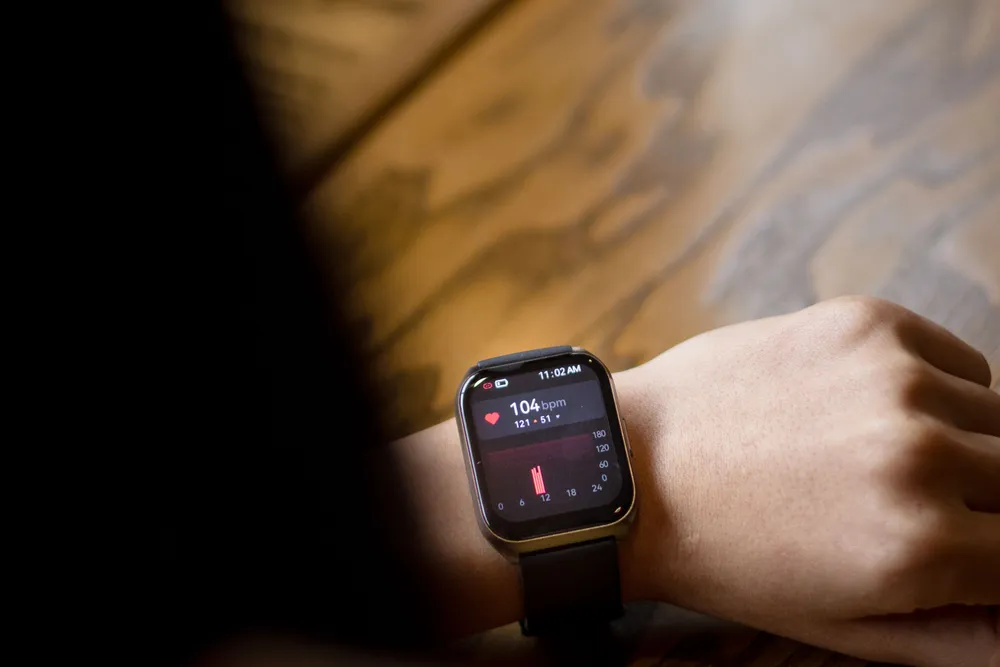
Are menopause palpitations dangerous?
Most are not — they're brief, benign, and tied to hormone swings and hot flashes. But "most" isn't "all," and palpitations can occasionally flag something that needs treatment: a heart rhythm disorder such as atrial fibrillation (whose risk rises with age), an overactive thyroid, anemia, low blood sugar, or dehydration. That's why a one-time check is wise, even when you suspect hormones.
When I dug into the research, the most reassuring thing I found was a 2023 analysis from SWAN (the Study of Women's Health Across the Nation), a large, multi-year study following women through the menopause transition.
It found palpitations were common across those years and, crucially, were not associated with subclinical cardiovascular disease. That's not a license to ignore them — but it's real evidence that for most women they're a nuisance, not a warning.
Here's the balanced way to hold it: don't panic at every flutter, but don't dismiss the pattern either. The goal is to get evaluated once to rule out the treatable non-hormonal causes, and then to recognize your own normal so that anything different stands out. Menopause is real, but it should be a diagnosis your doctor helps you land on — not an assumption that quietly overlooks your heart or thyroid.
When should you see a doctor — or call emergency?
Call emergency services immediately if palpitations come with chest pain or pressure, severe breathlessness, fainting or near-fainting, or a fast irregular beat that won't settle. Otherwise, book a routine appointment for any new, frequent, or worsening palpitations so a doctor can rule out thyroid, blood, and rhythm causes with a simple exam and tests.
Go straight to emergency care if palpitations come with any of these:
- Chest pain, tightness, or pressure
- Severe shortness of breath
- Fainting, near-fainting, or feeling you might pass out
- A very fast or irregular heartbeat that doesn't settle within a few minutes
And book a non-urgent appointment for palpitations that are new, frequent, lasting longer, or paired with a known heart condition — so the cause can be checked properly.
A doctor's workup is usually quick and reassuring: a conversation, an exam, an ECG to look at your rhythm, and blood tests for thyroid and anemia. If they want to catch an episode as it happens, they may send you home with a wearable monitor for a few days. More often than not, the result is "hormonal and harmless" — but you'll have that on good authority instead of guesswork.
What can you do to calm them?
Two fronts help: settling an episode in the moment, and lowering the triggers that set your heart off. In the moment, slow breathing is your best tool — it activates the calming branch of your nervous system and can gently bring a racing heart back down. Over time, trimming stimulants and taming hot flashes reduces how often they strike at all.
In the moment
- Breathe slowly and deeply — in for four counts, out for six — to nudge your nervous system out of alarm mode.
- Sip cool water and let a night sweat pass; cooling the body eases the flash driving the beat.
- Ground yourself: remind yourself this is a familiar, usually harmless episode — unless the red-flag symptoms above are present.
Lowering the triggers
- Cut evening caffeine, alcohol, and nicotine — classic palpitation triggers. See how caffeine and alcohol quietly sabotage midlife sleep.
- Tame hot flashes, since they carry the adrenaline that drives the racing — start with how to stay cool at night and natural remedies for night sweats.
- Stay hydrated and don't skip meals, as dehydration and low blood sugar can both provoke palpitations.
- Ask about magnesium. If you're low, it supports normal heart and nerve function; here's how to choose one, ideally with your doctor's okay.

If hot flashes are clearly the engine behind your palpitations, it's worth knowing that hormone therapy, by easing those flashes, can reduce the adrenaline surges that come with them. It's not a treatment for palpitations on its own, and your doctor should rule out other causes first, but it belongs in the conversation — which we cover in our honest look at HRT.
The night my heart first raced, what I needed wasn't just reassurance — it was to get checked once, hear "your heart is fine," and then learn to tell my normal flutter from a real alarm. Both halves matter.
Where to go from here
Palpitations rarely travel alone in menopause — they ride with hot flashes, anxiety, and broken sleep. Once your heart's been checked, place them in the wider picture with the complete perimenopause and menopause sleep guide. If a racing mind joins the racing heart, read breaking the insomnia-anxiety loop; and if they strike in the small hours, how to fall back asleep at 3 a.m. is the natural next step.
Key takeaways
- Palpitations — a pounding, racing, fluttering, or skipped-beat feeling — are a common menopause symptom as falling estrogen unsettles the heart's automatic control.
- Hot flashes drive many of them through surges of adrenaline; at night, lying quiet and still, you simply notice each beat more.
- They're usually harmless — a 2023 SWAN study found palpitations common across menopause and not linked to subclinical heart disease.
- Call emergency services if palpitations come with chest pain, severe breathlessness, fainting, or a fast irregular beat that won't settle.
- Book a routine check for any new, frequent, or worsening palpitations to rule out thyroid problems, anemia, and rhythm disorders.
- Slow breathing calms an episode in the moment; longer term, cut evening caffeine and alcohol, ease hot flashes, and stay hydrated.
Frequently asked questions
Why do I get heart palpitations at night during menopause?
Falling and fluctuating estrogen unsettles the autonomic nervous system that steadies your heartbeat, and hot flashes trigger adrenaline surges that make the heart race. At night, lying quiet and still with no distractions, you simply notice each beat more, which is why palpitations often feel most alarming in bed.
Are menopause heart palpitations dangerous?
Most menopausal palpitations are harmless and brief, tied to hormone shifts and hot flashes. But they can occasionally signal a heart rhythm problem, thyroid trouble, or anemia. Because you can't tell the difference at home, new or frequent palpitations should be checked by a doctor at least once to rule out other causes.
When should I go to the emergency room for palpitations?
Seek urgent care if palpitations come with chest pain or pressure, severe shortness of breath, fainting or near-fainting, or if a fast, irregular heartbeat won't settle. These can signal a serious heart problem. When in doubt about chest symptoms, it's always safer to be checked promptly than to wait.
What can I do to calm heart palpitations at night?
Slow, deep breathing can settle a racing heart in the moment. Longer term, cut evening caffeine, alcohol, and nicotine, stay hydrated, manage hot flashes and stress, and keep the bedroom cool. Track when palpitations strike so you and your doctor can spot triggers and rule out other causes.
Can hormone therapy help menopause palpitations?
It may, when palpitations are tied to hot flashes, because hormone therapy reduces those vasomotor symptoms and the adrenaline surges that come with them. It isn't prescribed for palpitations alone, and a doctor should first rule out other causes, but it's a reasonable discussion if hot flashes are driving your nights.
Sources cited
- Palpitations across the menopause transition in SWAN: trajectories, characteristics, and associations with subclinical cardiovascular disease. Menopause. 2023;30(1). pubmed.ncbi.nlm.nih.gov
- The North American Menopause Society (NAMS). Menopause symptoms and the heart. menopause.org
- British Heart Foundation. Menopause and your heart; Palpitations. bhf.org.uk
- American Heart Association. Heart palpitations and when to worry. heart.org
- Cleveland Clinic. Heart Palpitations. clevelandclinic.org
- Mayo Clinic. Heart palpitations. mayoclinic.org

Ellen Hayes
Health & Wellness Writer and Researcher
Hi — I'm Ellen. If you're reading this at some ungodly hour because your heart just started pounding out of nowhere and your brain won't settle… I get it. I'm right there with you. I'm somewhere in the middle of midlife, deep in perimenopause, and lately sleep and I have a complicated relationship.
I'm not a doctor. I'm not an expert — and I'm never going to talk down to you like one. I'm just a woman who got tired of vague answers ("it's just your age," "try to relax") and decided to actually read the research myself. Then I write it down here, in plain English, the way I'd explain it to a friend over coffee. More about Ellen →