Does Ashwagandha Help Menopause Sleep? What the Research Says
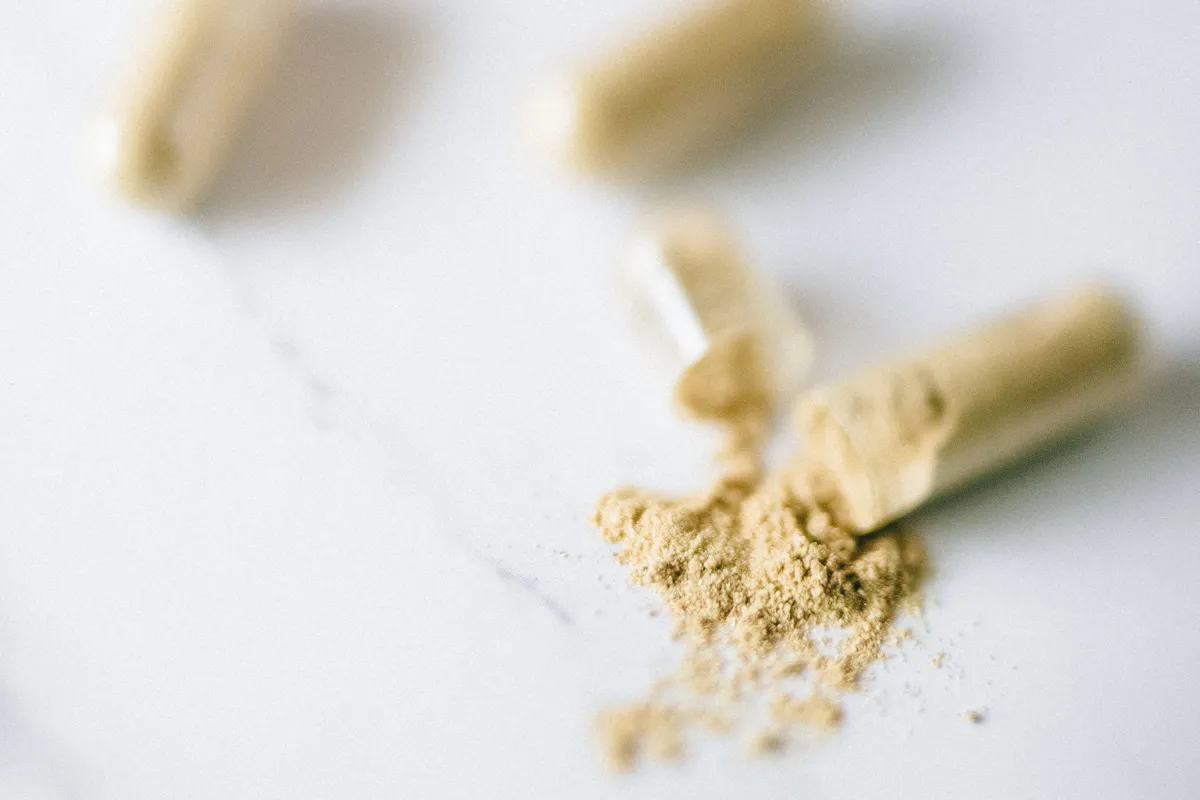
Ashwagandha may modestly improve menopause sleep, mainly by lowering stress and cortisol rather than acting as a sedative. Small trials show better sleep quality and less anxiety at 300 to 600 mg of standardized root extract over several weeks. It's not a cure, and thyroid or autoimmune conditions need a doctor's okay first.
Ashwagandha was one of those words I kept seeing in every menopause sleep thread — usually in a comment that started with "this changed my life" and ended with a link to a supplement I'd never heard of. My instinct with anything that promises to fix midlife sleep is a raised eyebrow, so I did what I always do: I went and read the studies instead of the reviews.
What I found was more interesting than either the hype or the dismissal. Ashwagandha isn't a sleeping pill, and it won't touch a hot flash. But it does something that turns out to be quite relevant to why so many of us lie awake at 3 a.m. — and that mechanism, plus a few real safety cautions, is worth understanding before you spend a penny.
What is ashwagandha, and why is it linked to sleep?
Ashwagandha (Withania somnifera) is a shrub used in Ayurvedic medicine for centuries, classed as an "adaptogen" — a herb thought to help the body cope with stress. Its Latin name literally means "sleep-inducing," and modern interest centers on its ability to lower stress hormones. That stress-calming action, not sedation, is the reason it's studied for sleep.
That distinction matters, because it tells you who ashwagandha is likely to help. It's not aimed at people who simply can't switch off the light; it's aimed at people kept awake by a revved-up stress system — a wired, tense, can't-stop-thinking kind of wakefulness. If that sounds like your nights, keep reading, because that's exactly the mechanism the research points to.
Does ashwagandha actually help you sleep?
The early evidence is modestly positive. Several small randomized trials found ashwagandha improved overall sleep quality and shortened the time it took to fall asleep, with the clearest benefits in people who had insomnia. The effects were real but moderate — think "better nights," not "cured." And they showed up over weeks of daily use, not from one bedtime dose.
It's worth being honest about the limits of this research, because that's how you tell a genuine helper from a marketing promise. The studies are mostly small, fairly short (six to eight weeks), and several were funded by supplement makers.
That doesn't make the findings worthless — the direction is consistent and the mechanism is plausible — but it does mean ashwagandha sits in the "promising, gentle option" tier, not the "proven treatment" tier.
How does it work — and why does that matter in menopause?
Ashwagandha's main trick is calming the body's stress axis and lowering cortisol, the alertness hormone. In menopause, cortisol matters enormously: as estrogen and progesterone fall, the stress system gets twitchier, and a cortisol surge in the early hours is a big reason so many women snap awake around 3 a.m. Turn down that overdrive and, in theory, the night steadies.
This is the crux of why ashwagandha is even in the conversation for midlife sleep. The classic menopausal night isn't only about hot flashes — it's about waking with a pounding heart and a racing mind and being unable to get back down.
That pattern is cortisol and anxiety talking, which is the exact loop I unpack in menopause insomnia and anxiety at night and, from the 3 a.m. angle, in how to fall back asleep at 3 a.m. Ashwagandha aims squarely at that mechanism.
Ashwagandha doesn't put you to sleep so much as it takes its foot off the accelerator — and in menopause, a stuck accelerator is often the whole problem.
Is ashwagandha good for menopause specifically?
It may help with the stress-and-sleep side of menopause, but it's not a hormone treatment. Unlike black cohosh or soy, ashwagandha isn't a phytoestrogen and doesn't replace estrogen. One small trial in perimenopausal women reported improvements in symptoms and wellbeing, but the menopause-specific research is thin. Its real value here is calming, not hormonal.
So it's best to set expectations honestly: if your main problems are hot flashes and night sweats, ashwagandha is not your first stop — cooling strategies and, where appropriate, hormone therapy do far more for those (see our honest look at HRT for menopause insomnia). But if stress, low mood, and a wired-but-tired feeling dominate your nights, it's a reasonable, gentle thing to try alongside the basics.
How much ashwagandha, in what form, and when?
Most studies used 300 to 600 mg a day of a standardized root extract — meaning the label states a set percentage of active compounds called withanolides. The best-researched branded extracts are KSM-66 and Shoden. For sleep, many people take it in the evening with food, and give it several weeks to build.
| What to look for | Why it matters |
|---|---|
| Standardized root extract | The studied form. Look for a stated withanolide percentage (often 5%) or a named extract like KSM-66 or Shoden. |
| 300–600 mg per day | The typical trial dose. Starting at the lower end is sensible; more is not automatically better. |
| Evening, with food | Common for sleep; taking it with a meal reduces the chance of mild stomach upset. |
| Third-party tested | Supplements aren't tightly regulated; a seal like USP or NSF signals the bottle matches the label. |
| Give it 6–8 weeks | Benefits build gradually; judge it after weeks of consistent use, not one night. |
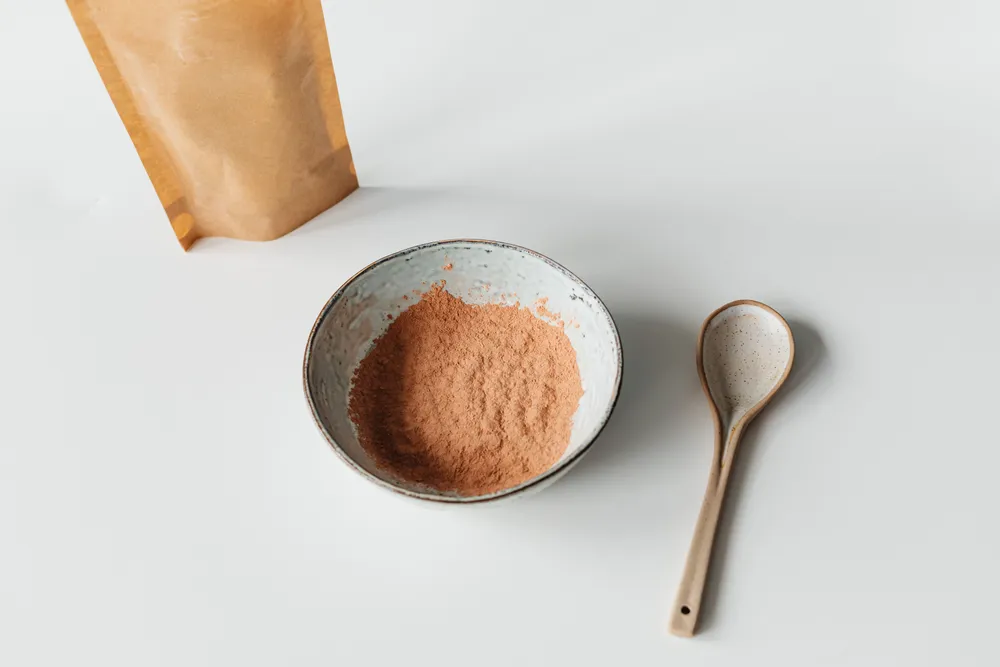
Some people prefer to take the powder stirred into warm milk at night — the traditional "moon milk" ritual — though the powder is bitter and the capsules are what studies used. Whichever form you choose, the ritual of a calm, consistent wind-down matters as much as the herb itself.

Can you take ashwagandha every night, long-term?
Most trials dosed it daily for up to three months, so nightly use over a couple of months is what's actually been studied. Beyond that, the long-term safety data thins out. A sensible approach is to try it for six to eight weeks, see whether your sleep genuinely improves, and reassess with your doctor rather than taking it indefinitely on autopilot.
Some people also choose to "cycle" it — a few weeks on, a week off — though there's no strong evidence this is necessary. What matters more is treating it like the active compound it is: a supplement you review periodically, not a forever habit you forget you're on. If it isn't clearly helping after two months, it's fair to stop and put your effort elsewhere.
Is ashwagandha safe? Who should avoid it?
For most healthy adults it's well tolerated short-term, with mild side effects like drowsiness or stomach upset. But it's more active than "just a herb" suggests, and several groups should not take it without medical advice: pregnant or breastfeeding women, and anyone with thyroid or autoimmune conditions or on certain medications. This is not a supplement to treat casually.
The specific cautions worth knowing:
- Thyroid conditions. Ashwagandha can raise thyroid hormone levels — risky if you have an overactive thyroid or take thyroid medication.
- Autoimmune disease. It can stimulate the immune system, so it may not suit conditions like lupus or rheumatoid arthritis, or anyone on immunosuppressants.
- Sedatives and other medicines. It may add to the effect of sedatives, and interact with blood sugar and blood pressure medications.
- Liver. Rare cases of liver injury have been reported — stop and see a doctor if you notice yellowing skin, dark urine, or unusual fatigue.
- Pregnancy. Avoid it entirely if pregnant or trying to conceive.
Talk to your doctor or pharmacist first, especially if you take any prescription medicine or have a thyroid or autoimmune condition. "Natural" doesn't mean "harmless," and ashwagandha genuinely interacts with the body — that's the whole reason it might work.
Ashwagandha vs. melatonin and magnesium: which fits you?
They solve different problems, so the right pick depends on why you're awake. Ashwagandha targets a stressed, cortisol-driven mind; magnesium supports muscle and nervous-system relaxation; melatonin shifts sleep timing. Matching the remedy to your particular flavor of insomnia beats grabbing whichever bottle is trending.
- Wired, anxious, racing mind? Ashwagandha's stress-and-cortisol angle fits best.
- Tense muscles, cramps, or general jangliness? Look at magnesium for sleep.
- Body clock off — can't fall asleep till late, or shift work? See whether melatonin works for menopause insomnia.
- Want the herbal landscape? Compare the options in herbal supplements for menopause sleep.
One honest caveat: no supplement fixes sleep that's being wrecked by an overheated bedroom, a nightly glass of wine, or untreated anxiety. Ashwagandha works best as one small piece inside good sleep habits — not as a substitute for them.
Where to go from here
Wondering whether it sits safely with your other bottles? Combining sleep supplements safely covers ashwagandha alongside HRT, thyroid medication and antidepressants.
Ashwagandha is one gentle option inside a much bigger toolkit. Start with the complete perimenopause and menopause sleep guide to see where a stress-calming herb fits among everything else. If cortisol and worry drive your nights, read breaking the insomnia-anxiety loop. And to compare it fairly with the other bottles on the shelf, see magnesium, melatonin, and the wider herbal options.
If you're weighing it specifically against another honest, mixed-evidence herb, our valerian review covers similar ground.
Key takeaways
- Ashwagandha may modestly improve sleep, mainly by lowering stress and cortisol rather than acting as a sedative.
- Small trials show better sleep quality at 300–600 mg of standardized root extract taken over several weeks.
- It fits best when a wired, anxious, cortisol-driven mind is what keeps you awake — not hot flashes.
- It's not a hormone treatment and won't ease hot flashes the way cooling or HRT can.
- Avoid it in pregnancy and be cautious with thyroid or autoimmune conditions or sedatives — clear it with a doctor first.
Frequently asked questions
Does ashwagandha really help you sleep?
The early evidence is modestly encouraging. Several small trials found ashwagandha improved sleep quality and how fast people fell asleep, especially in those with insomnia, likely by lowering stress and cortisol rather than acting as a sedative. It's a gentle helper, not a knockout pill, and the effect builds over weeks.
How long does ashwagandha take to work for sleep?
Give it time. Most studies ran for six to eight weeks and measured benefits at that point, not after a single dose. Because ashwagandha works mainly by calming the stress system over time, you're unlikely to feel a dramatic overnight change; consistency across several weeks is what shows results.
How much ashwagandha should I take for sleep?
Trials most often used 300 to 600 mg a day of a standardized root extract, usually split or taken in the evening with food. Standardized extracts like KSM-66 or Shoden are what researchers studied. Start low, and check with your doctor or pharmacist first, especially if you take other medicines.
Who should not take ashwagandha?
Avoid ashwagandha if you're pregnant or breastfeeding, and be cautious with thyroid disorders, autoimmune conditions, or if you take sedatives, thyroid, blood sugar, or blood pressure medicines. It can also affect the liver in rare cases. Always clear it with a clinician before starting, since it's more active than it looks.
Is ashwagandha better than melatonin or magnesium for menopause sleep?
They do different jobs. Ashwagandha targets stress and cortisol, magnesium supports muscle and nervous-system calm, and melatonin nudges sleep timing. If night-time anxiety and a racing mind keep you awake, ashwagandha is the most logical fit. Many women find the cause of their wakefulness points clearly to one over the others.
Sources cited
- National Center for Complementary and Integrative Health (NCCIH). Ashwagandha. nccih.nih.gov
- Sleep Foundation. Ashwagandha and Sleep. sleepfoundation.org
- The North American Menopause Society (NAMS). Nonhormonal management of menopause symptoms. menopause.org
- Mayo Clinic. Ashwagandha: Is it safe? mayoclinic.org

Ellen Hayes
Health & Wellness Writer and Researcher
Hi — I'm Ellen. If you're reading this at some ungodly hour because your brain flipped on at 3 a.m. and won't shut off… I get it. I'm right there with you. I'm somewhere in the middle of midlife, deep in perimenopause, and lately sleep and I have a complicated relationship.
I'm not a doctor. I'm not an expert — and I'm never going to talk down to you like one. I'm just a woman who got tired of vague answers ("it's just your age," "try to relax") and decided to actually read the research myself. Then I write it down here, in plain English, the way I'd explain it to a friend over coffee. More about Ellen →