Propranolol for Anxiety in Menopause: Off-Label, Explained

Propranolol for anxiety is something a doctor may bring up when a pounding heart and racing thoughts arrive together, as they can in perimenopause and after. It's a name worth understanding before you hear it in an appointment.
I'm not a doctor, so I read the current US label, a 2016 meta-analysis of the trials and a 2025 safety review to see what propranolol for anxiety actually involves, and where the evidence stops.
Propranolol is a beta blocker approved by the FDA for conditions such as high blood pressure, angina and migraine prevention, not for anxiety, so using it for anxiety is off-label. It can quiet physical signs like a racing heart, but a 2016 review found the evidence insufficient to support routine use for any anxiety disorder.
Is propranolol approved for anxiety?
No, propranolol is not approved by the FDA to treat anxiety. The current US label lists high blood pressure, angina, atrial fibrillation, survival after a heart attack, migraine prevention, essential tremor and two rarer conditions. Anxiety isn't among them, so prescribing propranolol for anxiety is off-label, which is legal and common but rests on your doctor's judgment.
| Use | On the US propranolol label? |
|---|---|
| High blood pressure, angina, atrial fibrillation (heart rate control) | Yes |
| Survival after a heart attack | Yes |
| Migraine prevention, essential tremor | Yes |
| Anxiety | Not listed (off-label) |
| Menopause symptoms, palpitations | Not listed |
MedlinePlus, the National Library of Medicine's drug information service, puts it this way: propranolol is used for high blood pressure, irregular heartbeats, angina and migraine, and is “also sometimes used to treat anxiety.” It adds that propranolol “helps control your condition but will not cure it.”
How does propranolol calm a racing heart?
Propranolol is a beta blocker: it blocks the receptors that adrenaline uses to speed up the heart and raise blood pressure. MedlinePlus says it slows the heart rate and relaxes blood vessels. That is why it can ease the physical signs of anxiety, such as a pounding heart or shaky hands, without being a classic anxiety medicine.
A StatPearls review of the drug says off-label use is common for situational or performance anxiety, to ease autonomic symptoms such as a fast heartbeat and tremor. It also notes that propranolol enters the brain easily, which may contribute both to benefits and to neuropsychiatric side effects.
In other words, it targets the body's alarm response, not the worry itself. That difference matters for what you can reasonably expect, and it's why the research below is more cautious than the way propranolol is sometimes described online.
What does the research say about propranolol for anxiety?
A 2016 systematic review of randomized trials found eight studies of propranolol in anxiety disorders, covering panic disorder, specific phobia, social phobia and PTSD. Its authors concluded that the quality of evidence was insufficient to support routine use of propranolol in any anxiety disorder. The trials were small, and some included only a handful of people.
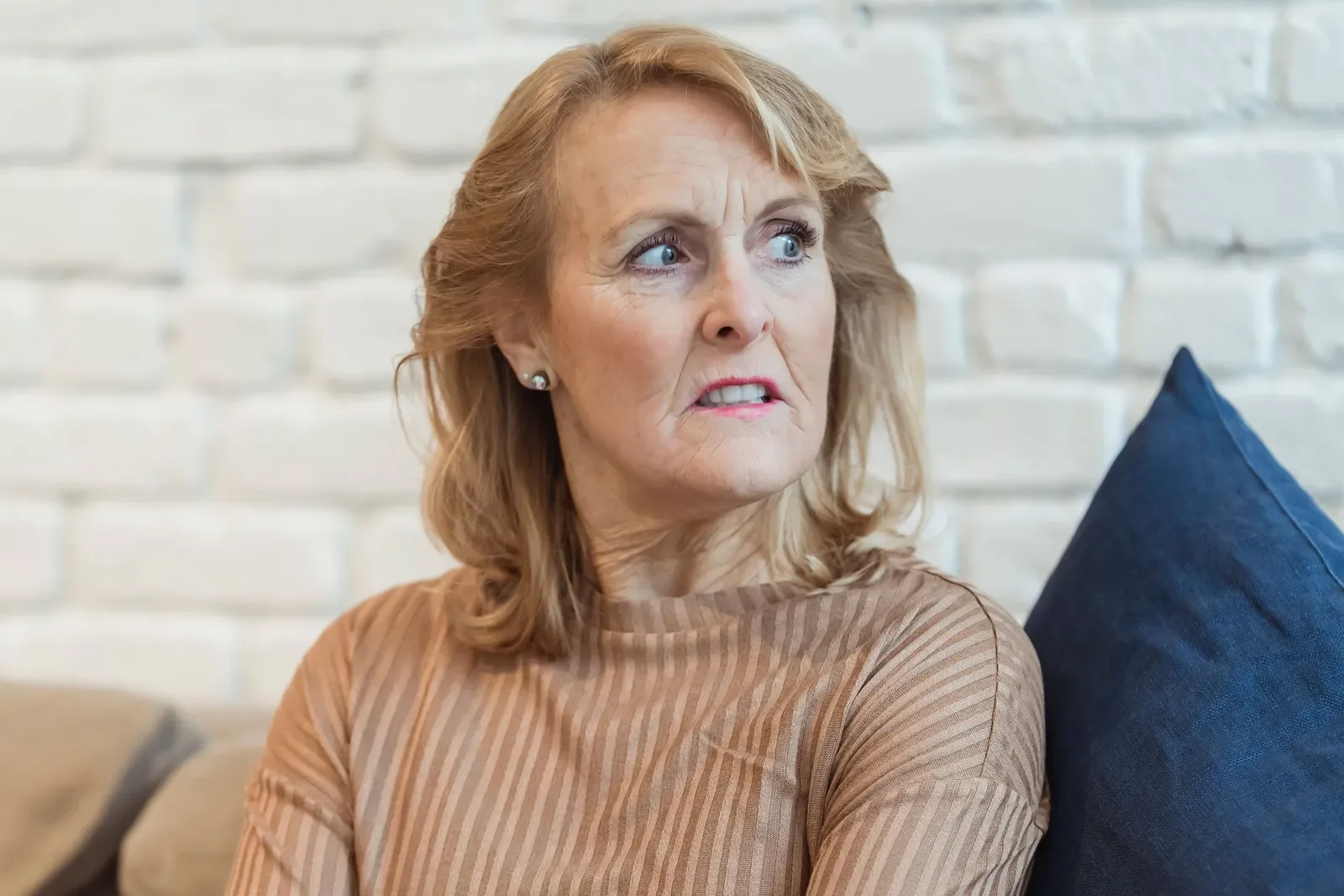
In PTSD, the review's single small trial (19 people) found no evidence that propranolol eased symptom severity. And “no significant difference from benzodiazepines” in small trials is not the same as proof that the two work equally well. The review reports that the evidence is too limited to say.
I did not find a trial of propranolol for anxiety in women going through menopause, and the review did not report results by menopausal stage. So what applies to you is a general anxiety question, not a menopause-specific one. For what is known about menopause and anxiety, see our menopause anxiety guide.
Why does your heart race in menopause in the first place?
Palpitations are common across the menopause transition. In the SWAN study, which tracked palpitations in 3,276 women, about half followed a pattern of moderate or high palpitations during perimenopause and early postmenopause, fading in late postmenopause. The women with the most palpitations also reported more stress, more sleep problems and more vasomotor symptoms such as hot flashes.
The study found that palpitation patterns were not linked to early signs of heart disease in the arteries. That's reassuring, but it doesn't mean a racing heart should never be checked. A new, frequent or worrying pattern is worth a conversation, and our article on heart palpitations at night in menopause lists the warning signs.
There is a practical reason to find the cause first. The propranolol label says beta blockade may mask certain signs of an overactive thyroid. A pounding heart is one of the symptoms a beta blocker can quiet, so it is worth asking what is driving it before the symptom is muted.
Can propranolol affect your sleep?
Yes, propranolol can affect sleep. The label's list of reported effects includes mental depression manifested by insomnia and fatigue, plus vivid dreams, and says fatigue, lethargy and vivid dreams appear dose-related in immediate-release forms. A 2025 meta-analysis found slightly more insomnia on propranolol than on placebo (relative risk 1.13).
The lower end of that range sits right at 1.00, so the signal is modest. The authors also note that most included studies were old and many had a high risk of bias. But if your anxiety is worst at night, it is a fair question to raise. Our article on insomnia and anxiety at night in menopause covers why the two feed each other.

Who should not take propranolol?
The label says propranolol is contraindicated in people with cardiogenic shock, a very slow heartbeat (sinus bradycardia), heart block beyond first degree, bronchial asthma, or a known allergy to the drug. It also says beta blockers should be avoided in overt heart failure, and that people with bronchospastic lung disease should not generally receive them.
- Asthma: a listed contraindication, because propranolol can trigger an asthma attack by blocking the airway-opening effect of adrenaline.
- Chronic bronchitis or emphysema: the label says patients with bronchospastic lung disease should not receive beta blockers in general, and that propranolol, if used, calls for caution.
- Heart failure, slow pulse or heart block: beta blockade can make these worse.
- Wolff-Parkinson-White syndrome: the label describes severe slowing of the heart requiring a pacemaker, in one case after a first dose.
- Severe allergic reactions in the past: the label says people on beta blockers may react more strongly to allergens and may not respond to usual doses of epinephrine.
- Pregnancy and breastfeeding: MedlinePlus says to tell your doctor if you are pregnant, plan to become pregnant or are breastfeeding. Pregnancy is still possible in perimenopause.
What are the possible side effects of propranolol?
The most common side effects listed by MedlinePlus are dizziness, tiredness, diarrhea and constipation. In the 2025 meta-analysis, beta blockers overall raised the risk of dizziness (relative risk 1.72), and propranolol specifically showed a higher figure (3.13, from three studies). Both numbers come from placebo-controlled comparisons, so dizziness is worth planning around.
| Area | Effects listed on the label |
|---|---|
| Heart and circulation | Slow heartbeat, low blood pressure, worsening heart failure, tingling in the hands, Raynaud-type poor circulation |
| Brain and sleep | Light-headedness, fatigue, insomnia, vivid dreams, low mood, hallucinations |
| Stomach | Nausea, vomiting, cramping, diarrhea, constipation |
| Lungs | Bronchospasm (wheezing, tight airways) |
| Skin and eyes | Rash, dry eyes, hair loss; rare severe skin reactions |
| Allergic | Hypersensitivity reactions, including rare severe ones |
Get medical help right away for trouble breathing, swelling of the face, fainting or an irregular heartbeat while taking propranolol. MedlinePlus advises calling your doctor immediately or getting emergency treatment for these. For a suspected overdose, call Poison Control at 1-800-222-1222, or 911 if the person has collapsed or can't be woken.
Which conditions and medicines need extra care with propranolol?
Several conditions and medicines change how safe propranolol is. The label flags diabetes, because it can hide warning signs of low blood sugar, plus an overactive thyroid, planned surgery, and combinations with some antidepressants, calcium channel blockers, clonidine, diazepam and alcohol. Tell your prescriber and pharmacist about everything you take, supplements included.
- Diabetes: beta blockade may prevent the early warning signs of low blood sugar, such as pulse changes, especially in people on insulin. MedlinePlus says propranolol may increase the risk of low blood sugar.
- Antidepressants: the label says fluoxetine and paroxetine may raise propranolol blood levels, as may fluvoxamine. Some antidepressants are also used for hot flashes, so your doctor needs the full list.
- Clonidine: the label says beta blockers may counteract clonidine's blood pressure effect and that propranolol should be used cautiously in people withdrawing from it. Our clonidine article covers that medicine.
- Calcium channel blockers (verapamil, diltiazem): the label reports significant slowing of the heart, heart failure and cardiovascular collapse with some combinations.
- Diazepam: propranolol can raise diazepam levels; the label says lorazepam, alprazolam, oxazepam and triazolam were not affected.
- Alcohol and smoking: MedlinePlus says alcohol may increase the amount of propranolol in the body. The label says smoking can increase its clearance by up to 77%.
- Surgery and eye tests: the label says beta blockers can raise risks around general anesthesia and may interfere with glaucoma screening.
Is it safe to stop propranolol suddenly?
No. The label warns that worsening angina and, in some cases, heart attack have followed abrupt discontinuation, and says that when stopping is planned the dose should be reduced gradually over at least a few weeks. MedlinePlus agrees: suddenly stopping may cause serious heart problems. Any change should be planned with your prescriber.
The label adds that coronary artery disease can go unrecognized, so it considers this advice prudent even for people taking propranolol for other reasons. A missed week of tablets or a disappointing first few days is a reason to call the prescriber, not to quit alone.
How does propranolol compare with other medicines in midlife?
Three medicines come up often in midlife conversations about night-time anxiety and a racing heart, and each has a different label. Propranolol and clonidine are blood pressure medicines used off-label for symptoms, while hydroxyzine's label does list anxiety and tension. The table shows what each label says, not which one suits you.
| Medicine | What the US label lists | Our article |
|---|---|---|
| Propranolol | High blood pressure, angina, migraine prevention, tremor and more; not anxiety | This article |
| Hydroxyzine | “Symptomatic relief of anxiety and tension associated with psychoneurosis” | Hydroxyzine for sleep |
| Clonidine | Hypertension; not hot flashes or anxiety | Clonidine for hot flashes |
Because each acts differently, the better question for an appointment is which symptom bothers you most and what each option would and wouldn't change. Our guide to sleeping pills for menopause insomnia compares the wider set of options.
When should you talk to your doctor about propranolol?
Talk to your doctor before starting propranolol, and call promptly if you take it and notice new problems. Bring up asthma or lung disease, diabetes, thyroid problems, heart rhythm or heart failure history, pregnancy plans and every medicine you use, because these decide whether propranolol is a reasonable option at all.
Talk to your doctor if:
- your heart racing is new, frequent, or comes with chest pain, breathlessness or fainting (get urgent care for these)
- you have asthma, wheezing, diabetes, a thyroid condition, heart failure or a slow pulse
- you start propranolol and notice wheezing, a very slow pulse, marked dizziness, or sleep that gets worse
- you take antidepressants, clonidine, calcium channel blockers or diazepam, or drink alcohol regularly
- you're thinking of stopping or skipping doses
Useful questions to bring: What is causing my racing heart, and has it been checked? Is this for situations, or every day? What happens to my sleep? What should I do if I miss a dose? Write the answers down; nothing here replaces that conversation.
Where to go from here
For the full picture, start with our menopause sleep guide. If your anxiety is tied to the hormonal shift, start with anxiety in menopause. If it hits after lights-out, read insomnia and anxiety at night. For the racing heart, see palpitations at night, and for other medicines, hydroxyzine and clonidine.
Key takeaways
- It's off-label: propranolol is FDA-approved for heart, migraine and tremor uses, not anxiety.
- It targets the body, not the worry: it slows the heart rate and may ease physical signs of anxiety.
- The evidence is thin: a 2016 review found it insufficient to support routine use in any anxiety disorder.
- Check the cause first: palpitations are common in menopause, and propranolol can mask a thyroid problem.
- Mind the red flags: asthma, heart failure, slow pulse, diabetes and certain interactions matter, and it should never be stopped suddenly.
Frequently asked questions
Is propranolol FDA-approved for anxiety?
No. The current US label for propranolol tablets lists high blood pressure, angina, atrial fibrillation, survival after a heart attack, migraine prevention, essential tremor and two rarer conditions. Anxiety isn't on it. Doctors can still prescribe it for anxiety, which is called off-label use, but that decision rests on their judgment, not on an FDA approval.
Can propranolol help a racing heart in menopause?
It slows the heart rate, which is why doctors sometimes use it for the physical side of anxiety. But the label doesn't list menopause or palpitations as uses. A new or persistent racing heart deserves a checkup first, because propranolol can mask signs of conditions such as an overactive thyroid. Ask your doctor what is causing it.
Can propranolol cause insomnia or vivid dreams?
Yes, it can. The label lists vivid dreams, insomnia and low mood among reported effects, and says fatigue, lethargy and vivid dreams appear dose-related for immediate-release forms. A 2025 meta-analysis found slightly more insomnia on propranolol than placebo (relative risk 1.13). If your sleep worsens after starting it, tell your prescriber rather than stopping on your own.
Can I take propranolol if I have asthma or diabetes?
Asthma is a listed contraindication, meaning the label says propranolol should not be used. With diabetes, the label warns that beta blockers can hide the early warning signs of low blood sugar, such as a faster pulse. Both conditions are reasons to talk with your doctor and pharmacist before taking propranolol.
Can I stop propranolol suddenly?
No. The label says worsening angina and, in some cases, heart attack have followed abrupt discontinuation, and that doses should be reduced gradually over at least a few weeks when stopping is planned. MedlinePlus likewise warns of serious heart problems after suddenly stopping. Any change to your dose should be planned with your prescriber.
Is propranolol as effective as a benzodiazepine for anxiety?
In a 2016 meta-analysis, the pooled short-term panic disorder trials showed that propranolol and benzodiazepines did not differ significantly. But the trials were small, and the authors concluded the evidence is insufficient to support routine use of propranolol in any anxiety disorder. That is not the same as proving it works equally well.
Sources cited
- Propranolol hydrochloride tablets, prescribing information. Par Health USA, LLC (openFDA; version effective August 26, 2026). dailymed.nlm.nih.gov
- MedlinePlus. Propranolol. National Library of Medicine. medlineplus.gov
- Steenen SA, van Wijk AJ, van der Heijden GJ, van Westrhenen R, de Lange J, de Jongh A. Propranolol for the treatment of anxiety disorders: systematic review and meta-analysis. J Psychopharmacol. 2016;30(2):128-139. pubmed.ncbi.nlm.nih.gov
- Eddin LE, Preyra R, Ahmadi F, Jafari A, Omrani MA, Muanda FT. β-Blockers and risk of neuropsychiatric disorders: a systematic review and meta-analysis. Br J Clin Pharmacol. 2025;91(2):325-337. pmc.ncbi.nlm.nih.gov
- Carpenter JS, Cortés YI, Tisdale JE, et al. Palpitations across the menopause transition in SWAN: trajectories, characteristics, and associations with subclinical cardiovascular disease. Menopause. 2023;30(1):18-27. pubmed.ncbi.nlm.nih.gov
- Awosika AO, Patel P. Propranolol. StatPearls. (abstract). pubmed.ncbi.nlm.nih.gov
- Hydroxyzine hydrochloride tablets, prescribing information (openFDA; version effective December 16, 2024). dailymed.nlm.nih.gov
- Clonidine hydrochloride tablets, prescribing information (openFDA; version effective September 8, 2026). dailymed.nlm.nih.gov
How this article was checked
The label content (indications, contraindications, warnings, side effects, interactions) is quoted from the current propranolol tablet prescribing information via openFDA, and MedlinePlus was read in full. The Steenen, Eddin, Carpenter and StatPearls entries were read as abstracts only. The hydroxyzine and clonidine rows come from their labels' indications sections.
It has not been reviewed by a clinician. Ellen Hayes is a researcher and writer, not a doctor, and nothing here is a diagnosis or a substitute for being seen by one.

Ellen Hayes
Health & Wellness Writer and Researcher
Hi — I'm Ellen. I wanted to see exactly what the label says about propranolol, and what it leaves out, before anyone treats it as an anxiety pill. This is what I found.
I'm not a doctor. I'm not an expert — and I'm never going to talk down to you like one. I'm a woman in the middle of perimenopause who got tired of vague answers, started reading the actual research, and writes it down here in plain English, the way I'd explain it to a friend over coffee. More about Ellen →