Menopause Osteoporosis: Why the Early Window Matters Most

Bone loss isn't gradual and steady — it accelerates sharply in a specific window, ages 49 to 54 in one 2023 cohort study, driven by falling estrogen. One in two women over 50 will break a bone because of osteoporosis. Nutrition, weight-bearing exercise, and — for higher-risk women — hormone therapy are the interventions with real evidence behind them.
Nobody feels their bones getting thinner. I found that out the way most women probably do — not from a symptom, but from a passing comment at a check-up about "keeping an eye on it" that I didn't think much of at the time. Hot flashes and sleepless nights announce themselves. This doesn't.
That quiet quality is exactly why it's worth understanding now rather than after a fracture makes it unavoidable. This article covers how fast bone actually disappears and when, why estrogen is the lever behind it, how common the fractures really are, when a scan is worth asking about, and what the evidence actually supports doing about it.
How much bone do you actually lose, and when?
Bone loss isn't a smooth downward line. A 2023 study tracking 1,062 women found the rate of loss is roughly three times faster between ages 49 and 54 than it is in the years just before or after it — at both the hip and the spine. That narrow window matters more than the overall lifetime decline.
Two things in that study are easy to miss. First, bone loss had already started before the authors' participants reached menopause — it just accelerated hard in the early perimenopausal years. Second, the authors concluded from their own data that screening for osteoporosis "should be considered at the age of 45," specifically because the acceleration starts before most women, or their doctors, are thinking about bone health at all.
Why does losing estrogen cause bone loss?
Because estrogen's day-to-day job includes keeping bone breakdown in check, not just regulating reproduction. The North American Menopause Society's 2021 position statement names postmenopausal bone loss tied to estrogen deficiency as the primary contributor to osteoporosis — ahead of any other single factor on their list.
That position statement also names the other risk factors that stack on top of estrogen loss: advanced age, genetics, smoking, being thin-framed, and a number of diseases and medications that independently impair bone health. None of those replace estrogen loss as the main driver after menopause — they modify how much any individual woman is affected by it.
What this means practically: the mechanism isn't a mystery disease striking at random — it's a predictable consequence of a hormone shift every woman in this transition goes through, which is exactly why the preventive measures below are not optional extras but the mainstream, guideline-backed response to it.
How common are osteoporosis fractures, really?
Common enough that it's one of the more likely long-term health events of this life stage, not a rare worst case. The Bone Health and Osteoporosis Foundation states the lifetime risk plainly, and the number tends to surprise women who've never heard it stated this directly.
Fractures from osteoporosis aren't limited to a dramatic fall. Many happen from everyday movements — a wrist braced against a stumble, a vertebra compressed by ordinary activity — in bone that has already thinned well past the point most women realize. That's the practical argument for catching the thinning early rather than discovering it through a fracture.
When should you get screened?
There's no single fixed age that applies to every woman. NAMS's guidance is to evaluate individual risk factors — things like advanced age, genetics, smoking, and being thin-framed — in every postmenopausal woman, and use that evaluation, not a universal birthday, to decide who actually needs a scan and when.
The Vietnam Osteoporosis Study's authors went a step further with their own data: because meaningful bone loss was already measurable in the perimenopausal years before 49, before most screening conversations typically start, they specifically recommended considering screening at age 45. That's a research team's conclusion from their own longitudinal numbers, not a universal guideline — but it's a reasonable prompt for a conversation with your doctor if you're approaching or past that age and haven't had one.
What actually slows or prevents it?
NAMS's position statement separates this into two tiers: measures appropriate for every postmenopausal woman, like nutrition and regular activity, and additional options reserved for women already at higher measured risk. The first tier costs nothing beyond ordinary healthy habits; the second requires a doctor's evaluation and, often, a prescription.
- For every postmenopausal woman: good nutrition with adequate protein, calcium and vitamin D; regular physical activity; avoiding smoking and excessive alcohol.
- For women at high risk (low bone density plus other risk factors, especially in the perimenopausal years): estrogen or other therapies specifically aimed at preventing further bone loss.
- For women already diagnosed with osteoporosis or a prior fracture: government-approved pharmacologic options including estrogen agonists/antagonists, bisphosphonates, RANK ligand inhibitors, parathyroid hormone-receptor agonists, and sclerostin inhibitors, plus strategies specifically aimed at reducing fall risk.
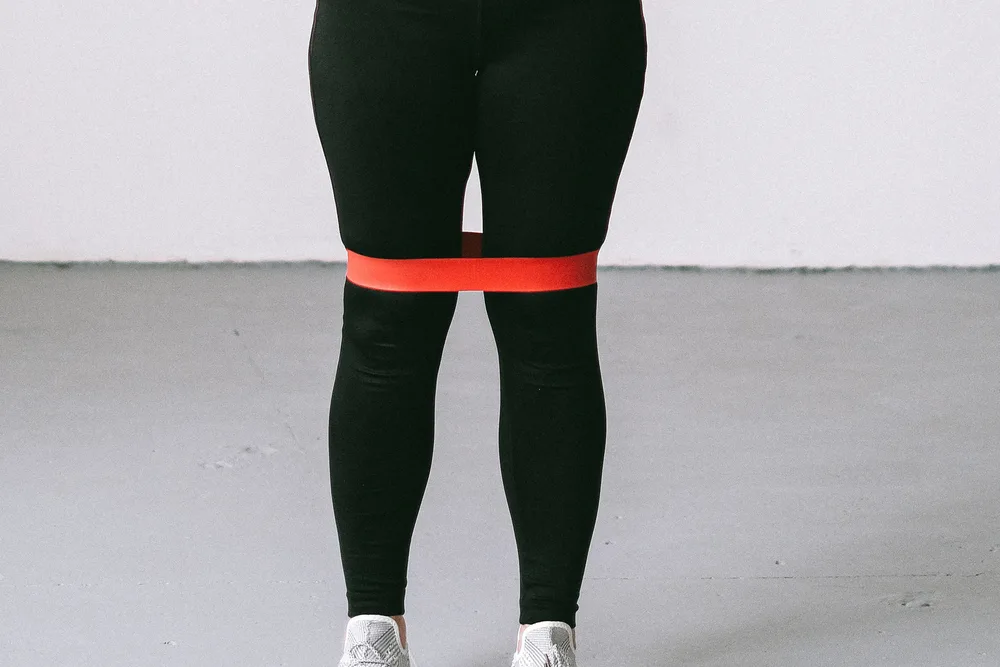
If joint or hip pain makes the idea of regular exercise feel out of reach, this site's piece on hip pain at night in menopause covers specific loaded exercises that performed well in trials, and the best (and worst) time to exercise for menopause sleep covers how to build a realistic weekly routine without wrecking your sleep in the process.
Does hormone therapy help?
For the right candidate, yes — but NAMS frames it as a targeted option, not a blanket recommendation for every postmenopausal woman. The position statement specifically names "perimenopausal women with low bone density and other risk factors" as the group for whom estrogen or other therapies are available to prevent bone loss.
That's a narrower claim than "hormone therapy prevents osteoporosis in general," and it's worth reading it that precisely. This site's piece on testosterone for menopause covers a related hormone-therapy decision with its own tradeoffs, and HRT for menopause insomnia covers what the evidence supports for a different symptom entirely — useful context if you're weighing hormone therapy for more than one reason at once, since it's a single decision with effects across several systems, not a symptom-by-symptom menu.
Where to go from here
Bone health rarely travels alone in this transition. The same falling estrogen also reshapes cholesterol on a similar timeline — this site's piece on menopause and cholesterol covers that related shift. If cardiovascular risk is also on your mind, menopause high blood pressure: why night readings matter covers a related long-term risk that also accelerates around this stage. If body composition changes are part of what's prompting these questions, menopause weight gain: why the scale misses what changed covers what's actually shifting and why the number on the scale isn't the full story.
For how all of this fits into the bigger picture of midlife health and sleep, start at the complete perimenopause and menopause sleep guide.
Key takeaways
- Bone loss isn't steady — a 2023 study of 1,062 women found it roughly triples between ages 49 and 54 compared with the years just before or after, at both the hip and spine.
- Estrogen deficiency is the primary driver per NAMS's 2021 position statement, with age, genetics, smoking, thinness, and certain diseases or medications adding further risk.
- One in two women over 50 will break a bone because of osteoporosis in her remaining lifetime, per the Bone Health and Osteoporosis Foundation.
- There's no single universal screening age, but the Vietnam Osteoporosis Study's authors specifically suggest considering screening at 45 given how early meaningful loss begins.
- Nutrition, exercise and avoiding smoking/excess alcohol are recommended for every postmenopausal woman; hormone therapy and other pharmacologic options are reserved for women at higher measured risk.
Frequently asked questions
How fast do I actually lose bone at menopause?
Faster than most women realize, and not at a steady rate. A 2023 study tracking 1,062 women found bone loss at the hip jumped from about 0.5% a year before age 49 to roughly 1.4% a year between ages 49 and 54, then slowed again after 55. The spine followed the same pattern.
Why does losing estrogen cause bone loss?
Because estrogen normally helps keep bone breakdown in check. According to the North American Menopause Society's 2021 position statement, postmenopausal bone loss tied to estrogen deficiency is the primary contributor to osteoporosis — with age, genetics, smoking, thinness, and certain diseases or medications adding further risk on top of it.
How common are osteoporosis fractures, really?
Very common. The Bone Health and Osteoporosis Foundation puts it plainly: approximately one in two women over age 50 will break a bone because of osteoporosis in her remaining lifetime. That makes it one of the more common, and more preventable, long-term risks of this life stage.
When should I ask about a bone density scan?
There's no single universal age — NAMS recommends evaluating individual risk factors for every postmenopausal woman rather than one fixed cutoff. The authors of the 2023 bone-density study specifically suggested considering screening at 45, since their data showed meaningful bone loss already underway in the perimenopausal years before that.
Does hormone therapy help protect my bones?
It can, for the right candidate. NAMS's position statement notes that estrogen or other therapies are available to prevent bone loss specifically for women at high risk — especially perimenopausal women who already have low bone density plus other risk factors. It's a decision to make with a doctor, not a given.
What should I actually do first?
Ask your doctor whether your personal risk factors — age, family history, smoking, body size, any bone-affecting conditions or medications — warrant screening now rather than waiting. Pair that conversation with the basics NAMS backs for every postmenopausal woman: enough protein, calcium and vitamin D, regular physical activity, and cutting smoking and excess alcohol.
Sources cited
- Management of osteoporosis in postmenopausal women: the 2021 position statement of The North American Menopause Society. Menopause. 2021;28(9):973–997. doi:10.1097/GME.0000000000001831.
- Ho-Pham LT, Nguyen HG, Nguyen-Pham SQ, Hoang DK, Tran TS, Nguyen TV. Longitudinal changes in bone mineral density during perimenopausal transition: the Vietnam Osteoporosis Study. Osteoporos Int. 2023;34(8):1381–1387. doi:10.1007/s00198-023-06757-z.
- Bone Health & Osteoporosis Foundation. bonehealthandosteoporosis.org

Ellen Hayes
Health & Wellness Writer and Researcher
Hi — I'm Ellen. A throwaway comment at a check-up sent me down this rabbit hole, and I was surprised how little of it gets talked about compared to hot flashes.
I'm not a doctor. I'm not an expert — and I'm never going to talk down to you like one. I'm a woman in the middle of perimenopause who got tired of vague answers, started reading the actual research, and writes it down here in plain English, the way I'd explain it to a friend over coffee. More about Ellen →