Waking Up Tired in Menopause: 7 Causes to Check
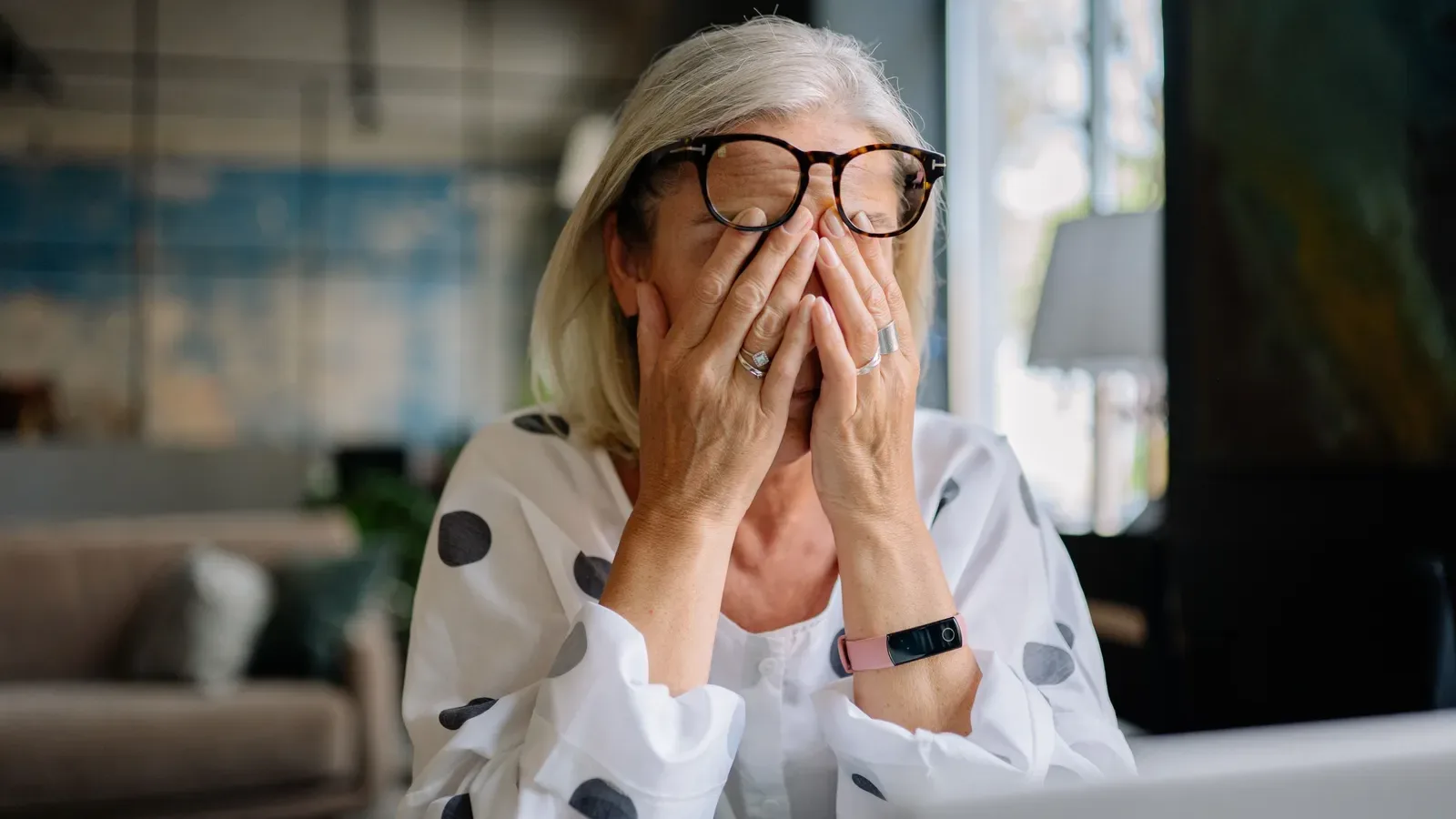
You went to bed at a reasonable hour, stayed down for seven or eight hours and still woke up feeling as if you had hardly slept. If you are waking up tired every morning, that is not a character flaw, and it is not always “just menopause.”
Doctors call this unrefreshing or non-restorative sleep, and it has a list of fixable causes. I read the NIH and MedlinePlus pages and the recent research to put the main ones, and the questions to ask about each, in one place.
Waking up tired after a full night usually means the sleep was poor quality, not too short. In midlife the main suspects are sleep apnea, night sweats, evening alcohol, thyroid problems, low iron from heavy bleeding, low mood and sedating medicines. Each can be tested for or changed, so persistent morning exhaustion deserves a medical check.
What does waking up tired actually mean?
Waking up tired means your sleep did not restore you, even if you slept for a normal number of hours. Researchers call this non-restorative sleep: a feeling of unrefreshing rest despite adequate sleep time. It is different from trouble falling or staying asleep, although the two often overlap in menopause.
A 2025 review of menopause and sleep reports that the most common complaint is more awakenings during the night, followed by trouble falling asleep, early waking and insufficient, non-restorative sleep. It also notes that sleep recordings suggest the brain stays in a state of higher alert during sleep around the menopausal transition.
Here the starting question is what to check when mornings feel unrefreshing despite enough time in bed. For a different pattern, see our guide to daytime fatigue with nighttime alertness. If repeated waking is the problem, read why you cannot stay asleep in menopause.
Could sleep apnea be why you wake up tired?
Yes, and it is one of the most important causes to rule out. Sleep apnea means your breathing stops and restarts many times while you sleep, which breaks your rest into pieces you will not remember. MedlinePlus lists waking up unrefreshed among its symptoms, and the risk rises after menopause.
The authors concluded that menopausal women with complaints of snoring, daytime sleepiness or unsatisfactory sleep should be evaluated for sleep-disordered breathing. Our article on menopause and sleep apnea goes into why the risk changes.
The classic picture is a loud snorer. But the NHLBI notes that fatigue and insomnia are more common in women with sleep apnea, as is headache, while loud snoring is more common in men. A 2026 review of the condition in women says that women more often report daytime fatigue, insomnia, depression, anxiety and poor sleep quality than snoring or extreme sleepiness, and that up to 75% of women with sleep apnea remain undiagnosed.
A large 2026 clinic study found that 35.2% of 3,227 adults with confirmed sleep apnea reported morning headaches at least once a week, and female sex was an independent predictor in the subgroup with full sleep-study data. I could read only the abstract.
- Possible clues: a partner hears snoring, snorting or gasping; you wake with a dry mouth or headache; you feel sleepy while sitting still or driving.
- How it is diagnosed: the NHLBI says your provider may refer you to a sleep specialist or a sleep center for a sleep study, which shows the type of sleep apnea and how serious it is.
- How it is treated: MedlinePlus says CPAP devices work well to treat obstructive sleep apnea in most people, though it can take time to get used to sleeping with one. Weight loss, avoiding alcohol before bed and sleeping off your back are also mentioned.
Can night sweats make sleep unrefreshing?
They can contribute. The 2025 review links menopause sleep problems with hormone changes, hot flashes and psychosocial factors. Baker's 2023 review also describes hot flashes as a contributor, while noting that the link with objectively measured sleep is less consistent. A sweaty night is a clue to discuss, not proof of one cause.
The 2025 menopause sleep review cited earlier says these sleep problems are shaped by hormone changes, vasomotor symptoms (hot flashes and night sweats) and psychosocial factors. Sleep recordings in the studies it covered showed more time awake after sleep onset during the transition, even though total sleep time did not always change much.
That would explain why a woman can log eight hours in bed and feel she got five. If you notice damp pajamas, a hot face at 3 a.m. or kicking the covers off, read night sweats in women for causes, what to try and when drenching sweats should be checked. Ask your clinician whether treatment for hot flashes or night sweats may help your sleep.
Does evening alcohol make you wake up tired?
It often does. A drink in the evening can feel like it helps you drop off, but it tends to cost you quality later in the night. A 2026 narrative review concluded that alcohol disrupts sleep architecture, suppresses REM sleep, increases sleep fragmentation and impairs breathing during sleep, especially in the second half of the night.
The same review found that habitual drinking is linked with poorer sleep quality, insomnia symptoms and a higher risk of sleep-disordered breathing, and that alcohol, including wine, should not be considered a sleep aid. That matters here because alcohol can worsen sleep apnea symptoms. MedlinePlus advises people with sleep apnea to avoid alcohol and medicines that make them sleepy before bedtime.
You do not need to give up everything to find out whether this is part of your picture. Our guide to alcohol and menopause sleep explains why the effect can feel stronger in midlife. Ask your clinician whether reducing alcohol could help, and get medical advice before stopping heavy daily drinking because withdrawal can be serious.
Could your thyroid or iron level be to blame?
Yes. An underactive thyroid and low iron are two common medical causes of fatigue that can feel like bad sleep, and both are checked with blood tests. Because their symptoms overlap with menopause, they are easy to miss unless someone looks. They are also treatable once found.
Thyroid. MedlinePlus lists fatigue among the symptoms of hypothyroidism and says women and adults over 60 are at higher risk. Thyroid blood tests, including TSH, are among the tools used to diagnose it. Our article on menopause and thyroid symptoms explains how the two overlap.
Iron. The NHLBI says that when you lose blood you lose iron, and lists heavy menstrual periods as a source of blood loss. Mild or moderate iron-deficiency anemia may cause no symptoms at all, while anemia more broadly can cause weakness, tiredness, shortness of breath, headache and dizziness. A complete blood count (CBC) checks for anemia, and other tests, including ferritin, may help identify iron deficiency.

If your bleeding has become heavier, our guide to heavy periods in perimenopause can help you describe the change. The NHS lists signs of heavy periods such as needing to change a pad or tampon every 1 to 2 hours, using two types of product together, periods lasting more than 7 days, clots larger than about 2.5 cm, and bleeding through to clothes or bedding. The NHS says heavy periods can leave you feeling tired or short of breath a lot.
MedlinePlus says a ferritin blood test measures ferritin, a marker of iron stores. A lower than normal level may mean iron deficiency anemia, but it adds that low ferritin does not always point to a condition that needs treatment, so results should be discussed with your provider. Ask for the numbers and what they mean for you.
Can low mood or a sedating medicine cause it?
Yes, both are worth raising. Low mood can bring on tiredness and changes in sleep, and some sleep or allergy medicines can leave a hangover into the next day. Neither is a weakness or a sign you are doing something wrong, and both can be adjusted with your doctor’s help.
Mood. MedlinePlus lists sleeping too much or not enough and feeling very tired among the signs of depression, and says to see a health provider or mental health provider and get treatment at the earliest sign of a problem. If low mood comes with anxiety on waking, our article on waking up with anxiety may help you describe it.
Medicines. MedlinePlus warns that your ability to drive the day after taking zolpidem (Ambien) may be impaired even if you feel fully awake, and says to plan to stay in bed for 7 to 8 hours after taking it. MedlinePlus also warns that diphenhydramine, the antihistamine in some Benadryl and sleep-aid products, can cause drowsiness; do not drive until you know how it affects you. Do not stop a prescription suddenly on your own. Tell your doctor how you feel in the morning, and ask whether the dose or the timing should change.
Which clue points to which cause?
Your pattern of symptoms can help narrow things down before you see a doctor. The table below matches common clues with the causes covered above and with a question or test to raise at your appointment. It is a way to organize the conversation, not a diagnosis, and several causes can be present at once.
| Clue you notice | What it may point to | Ask your doctor about |
|---|---|---|
| Snoring, snorting or gasping; dry mouth or headache on waking; sleepy while sitting still | Sleep apnea | A sleep study; referral to a sleep specialist |
| Damp sheets, heat or kicking off covers; waking at 3 a.m. feeling hot | Night sweats breaking up sleep | Options for hot flashes and night sweats |
| Worse mornings after drinks, even one or two | Alcohol fragmenting sleep and breathing | How much is reasonable for you; screening for apnea |
| Feeling cold, slowed down, constipated, with fatigue | Underactive thyroid | A thyroid test (TSH) |
| Heavy or long periods, breathlessness on stairs, dizziness, pale skin | Low iron or anemia | Complete blood count and ferritin |
| Low mood, loss of interest, sleeping too much or too little | Depression | A mood screening and treatment options |
| Groggy mornings after a sleeping pill or antihistamine | Next-day sedation from a medicine | A review of dose, timing and alternatives |
How can you prepare for the appointment?
Go with information, not just the sentence “I am so tired.” Two weeks of notes can turn a vague complaint into something a doctor can act on. Write down the time you go to bed and get up, how you feel on waking, any night sweats, alcohol, and medicines taken, plus what a partner notices.
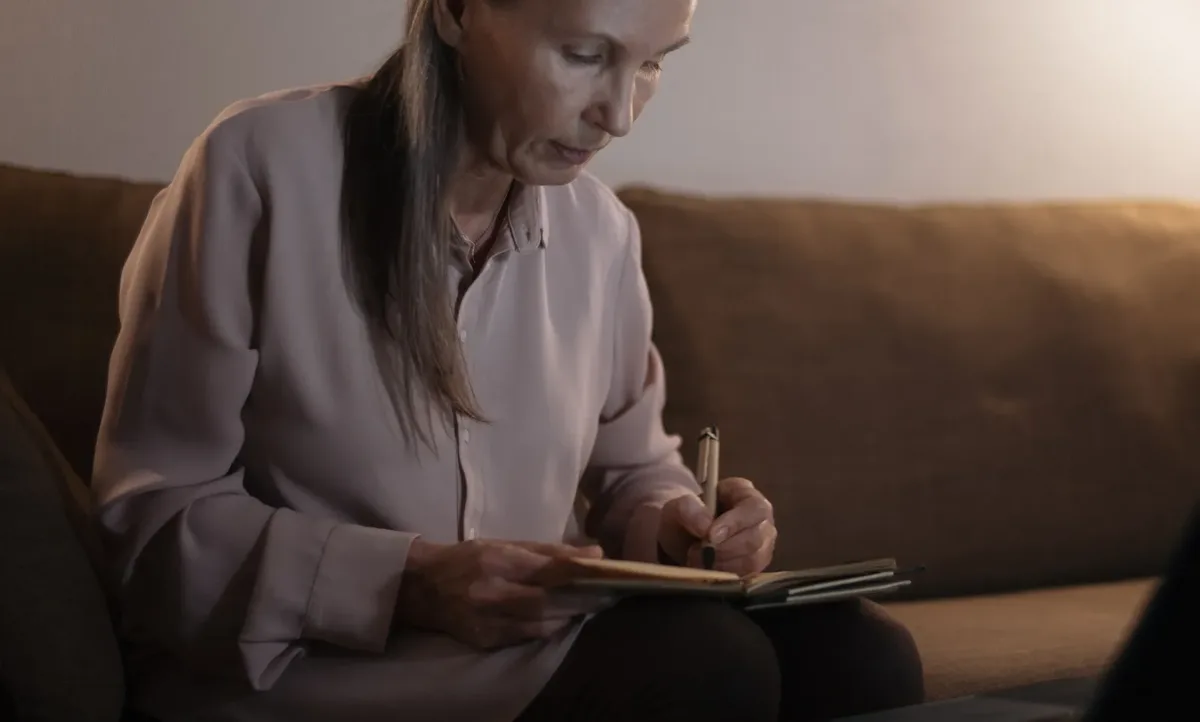
- Sleep log: bedtime, wake time, how rested you feel from 1 to 10, and anything you remember about the night. The NHLBI describes a sleep diary as a way to track how long and how well you sleep and how sleepy you feel during the day.
- Bleeding: how many days and how heavy, using the NHS signs above as a guide.
- Medicines and alcohol: everything you take at night, including over-the-counter products and supplements, and how many drinks per week.
- Partner report: ask whoever shares your bed whether they hear snoring or pauses in your breathing. This is one of the most useful clues.
- Questions to bring: “Should I be tested for sleep apnea? Can we check thyroid, blood count and ferritin? Could any medicine I take be making mornings worse?”
Who should not just wait it out?
Anyone with warning signs should not treat waking up tired as something to push through. Loud snoring with pauses in breathing, sleepiness while driving, heavy bleeding, breathlessness or low mood each call for a medical review. Please also avoid self-treating until you know the cause, particularly with sedatives or sleep aids.
- Do not drive drowsy. MedlinePlus says people with sleep apnea may fall asleep while working, reading or driving. If you feel sleepy at the wheel, stop in a safe place and do not continue driving while drowsy; arrange another way to travel and seek medical advice.
- Do not stop a prescribed sleep medicine abruptly or add alcohol or other sedatives to it. Talk to your prescriber first.
- Do not assume it is menopause when a blood test or a sleep study could give a clear answer.
Talk to your doctor if…
Talk to your doctor if morning exhaustion lasts more than a few weeks, is getting worse, or affects your work, driving or mood. Some signs deserve prompt attention rather than waiting for a routine visit. The list below covers the ones most relevant to unrefreshing sleep in midlife.
- You snore loudly, or someone has seen you stop breathing or gasp in your sleep.
- You feel sleepy while driving, working or sitting still. MedlinePlus advises contacting a provider if you feel very tired and sleepy during the day.
- Your periods are heavy, or you are bleeding between periods or after sex. The NHS lists these as reasons to see a GP.
- You are short of breath, dizzy, or have a racing heart.
- You feel low, hopeless or have lost interest in things. MedlinePlus says to get treatment at the earliest sign of a problem. If you have thoughts of harming yourself, call or text the 988 Suicide & Crisis Lifeline, or call 911 in an emergency.
- You think a medicine, supplement or alcohol may be involved, or the exhaustion came on after a new prescription.
Where to go from here
Start with the clue in the table that sounds most like you, and book the matching check. If your tiredness lasts all day and you are wired at night, read the menopause fatigue guide. For the bigger picture of midlife sleep, see the complete perimenopause and menopause sleep guide.
Key takeaways
- Hours are not rest: waking up tired after a full night points to poor-quality sleep, and it has causes you can check.
- Check apnea first: postmenopausal women had 2.6 times the odds of sleep-disordered breathing in one large cohort, and women’s symptoms are often subtle.
- Look at the night: night sweats may contribute to disturbed sleep, and evening alcohol can fragment sleep.
- Ask for blood tests: thyroid, a blood count and ferritin can find treatable causes, especially with heavy bleeding.
- Review mood and medicines: low mood and sedating products can leave you drained the next day.
Frequently asked questions
Why am I waking up tired after eight hours of sleep?
Hours in bed are not the same as restful sleep. Sleep can be broken up by breathing pauses, night sweats, alcohol or a medicine without you remembering it, and conditions such as low iron or an underactive thyroid can leave you drained regardless. If this has lasted weeks, ask your doctor to look for a cause.
Is waking up tired a sign of menopause?
It can be. Sleep gets lighter and more broken for many women during the menopausal transition, and night sweats add to it. But waking up tired also has medical causes that are common at this age, including sleep apnea, thyroid disease and anemia, so it should not be put down to menopause without a check.
Can sleep apnea cause waking up tired in women?
Yes. MedlinePlus lists waking up unrefreshed as a symptom of obstructive sleep apnea. In women the signs are often subtler than loud snoring: fatigue, insomnia, low mood and morning headaches are more typical, and a 2026 review says up to 75% of women with sleep apnea go undiagnosed. A sleep study can settle the question.
What blood tests check for waking up tired?
Doctors commonly start with a thyroid test (TSH) and a complete blood count, often with ferritin, which reflects iron stores. MedlinePlus says low ferritin may mean iron deficiency anemia but does not always need treatment. Which tests are right for you depends on your symptoms and history, so ask your doctor rather than ordering by yourself.
Can a glass of wine at night make me wake up tired?
It can. Alcohol may help you fall asleep faster, but a 2026 review found it disrupts sleep architecture, suppresses REM sleep, increases fragmentation and impairs breathing during sleep, especially in the second half of the night. If you drink, discuss whether reducing it could help; get medical advice before stopping heavy daily drinking because withdrawal can be serious.
When should I see a doctor about waking up tired?
See your doctor if the tiredness lasts more than a few weeks or is getting worse. Go sooner for loud snoring or pauses in breathing, sleepiness while driving, heavy bleeding, shortness of breath, or low mood. If you have thoughts of harming yourself, call or text 988, or call 911 in an emergency.
Sources cited
- National Institute of Mental Health. Suicide prevention. nimh.nih.gov
- MedlinePlus. Obstructive sleep apnea (review date 1/10/2025). medlineplus.gov
- NHLBI, NIH. Sleep apnea: symptoms; causes and risk factors; diagnosis. nhlbi.nih.gov
- Young T, Finn L, Austin D, Peterson A. Menopausal status and sleep-disordered breathing in the Wisconsin Sleep Cohort Study. Am J Respir Crit Care Med. 2003;167(9). pubmed.ncbi.nlm.nih.gov
- Bouloukaki I, Fabozzi A, Schwarz EI, Schiza SE. Advances in the diagnosis and treatment of obstructive sleep apnea in women. Pulm Ther. 2026;12(1):181-199. pmc.ncbi.nlm.nih.gov
- Karkala A, Kalkanis A, Kotoulas SC, et al. Morning headaches as a specific obstructive sleep apnea characteristic in a large sleep clinic population. Life (Basel). 2026;16(8):1239. pmc.ncbi.nlm.nih.gov
- Sparks JR, Wang X. Menopause-related changes in sleep and the associations with cardiometabolic health: a narrative review. Healthcare (Basel). 2025;13(17):2085. pmc.ncbi.nlm.nih.gov
- Chaput JP. Alcohol, wine, and sleep in adults: insights from a narrative review. Nutrients. 2026;18(4):585. pmc.ncbi.nlm.nih.gov
- MedlinePlus. Hypothyroidism. medlineplus.gov
- NHLBI, NIH. Iron-deficiency anemia; Anemia: symptoms. nhlbi.nih.gov
- NHS. Heavy periods. nhs.uk
- MedlinePlus. Ferritin blood test. medlineplus.gov
- MedlinePlus. Depression. medlineplus.gov
- MedlinePlus. Zolpidem. medlineplus.gov
- Baker FC. Optimizing sleep across the menopausal transition. Climacteric. 2023;26(3):198-205. pmc.ncbi.nlm.nih.gov
- MedlinePlus. Diphenhydramine. medlineplus.gov
- MedlinePlus. Alcohol withdrawal. medlineplus.gov
How this article was checked
The sleep apnea, anemia, thyroid, ferritin, depression and zolpidem statements come from the MedlinePlus, NHLBI and NHS pages as they read when I opened them. The Wisconsin Sleep Cohort study, the 2025 and 2026 reviews and the morning-headache study were read as abstracts only. This article does not diagnose; it lists questions to take to your doctor.
It has not been reviewed by a clinician. Ellen Hayes is a researcher and writer, not a doctor, and nothing here is a diagnosis or a substitute for being seen by one.
Ellen Hayes
Health & Wellness Writer and Researcher
Hi — I'm Ellen. Sleep that doesn't feel like sleep is one of the least talked-about parts of midlife, and the advice online is often just “sleep more.” I wanted to see what the research says to check first.
I'm not a doctor. I'm not an expert — and I'm never going to talk down to you like one. I'm a woman in the middle of perimenopause who got tired of vague answers, started reading the actual research, and writes it down here in plain English, the way I'd explain it to a friend over coffee. More about Ellen →