Napping in Menopause: Does It Help or Hurt Your Sleep?
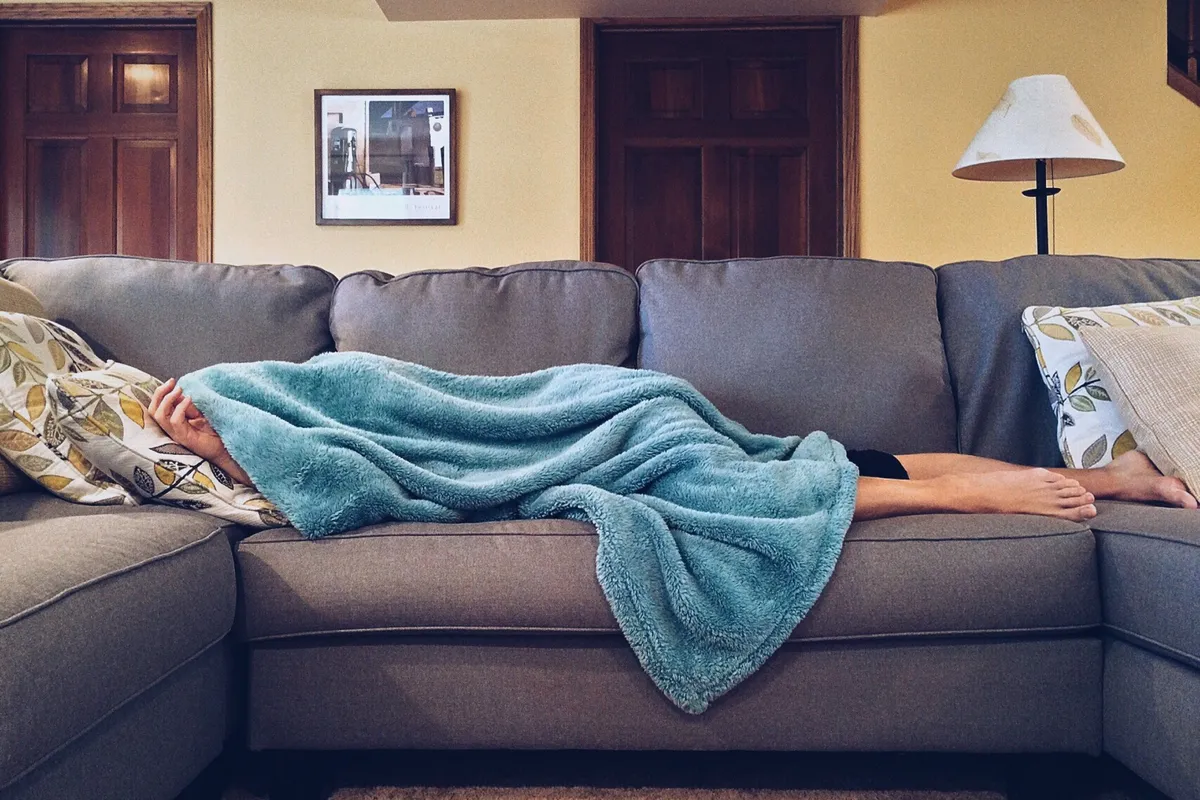
Naps aren't good or bad — length and timing decide. Ten to twenty minutes before mid-afternoon restores alertness without touching your night. Longer or later, and you burn off the sleep pressure built since morning, so bedtime arrives with less of the drive that puts you under. If you have insomnia, guard that pressure carefully.
This is the question I get asked more than almost any other, and the advice out there is uselessly split. Half the internet says nap freely, your body knows what it needs. The other half says never nap, you'll ruin your night. Both sound confident. Neither is much help at 2 p.m. when you've had four hours of sleep and a full afternoon ahead.
The research is actually fairly clear, and the answer isn't yes or no — it's how long and how early. Get those two right and a nap costs you nothing. Get them wrong and you've quietly borrowed from tonight to pay for this afternoon.
Does a nap steal from your night?
It can, and the mechanism is worth understanding because it explains everything else here. From the moment you wake, a chemical called adenosine builds up in the brain, creating what researchers call sleep pressure. By bedtime it's high, and that pressure is a large part of what pushes you under. Sleeping in the afternoon discharges some of it.
For a good sleeper, that's fine — there's plenty of pressure to spare. For someone whose nights are already fragile, it's the difference between falling asleep at eleven and lying there until one. This is why the same nap that leaves your husband refreshed can leave you staring at the ceiling, and why the advice has to be personal rather than universal.
How long should a nap actually be?
Ten to twenty minutes, and the reason is architectural. In that window you stay in light sleep, which is where the alertness benefit lives, and you can surface easily. Push past roughly thirty minutes and you descend into deep, slow-wave sleep — the stage that's hardest to be pulled out of.
Wake from there and you get sleep inertia: that heavy, disoriented, worse-than-before feeling that can last half an hour or more. It's the reason so many women conclude "naps don't work for me." Often the nap didn't fail — it just ran twenty minutes too long.
| Nap length | What you get | Cost to tonight |
|---|---|---|
| 10–20 minutes | Alertness, better mood, clearer head | Minimal for most people |
| 30–60 minutes | Deep sleep entered, then interrupted | Grogginess now, less sleep pressure later |
| 90 minutes | A full sleep cycle, easier waking | A real chunk of tonight's drive — only after a badly broken night |
| Unplanned nodding off in the evening | Nothing useful | The most damaging of all — it's closest to bedtime |
What time of day should you nap?
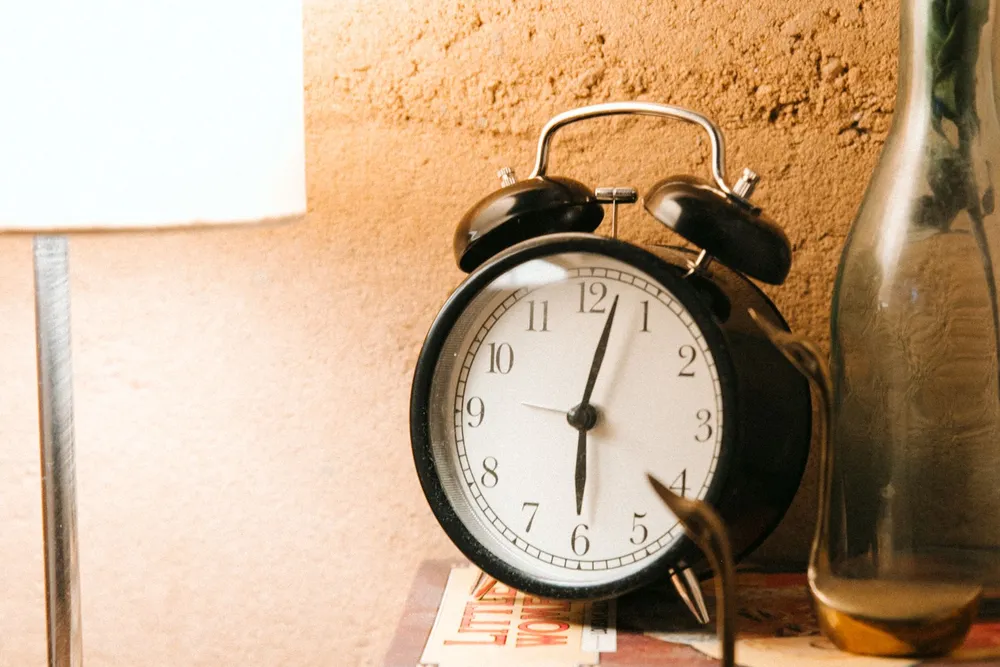
Early afternoon, and preferably done by three o'clock. There's a genuine dip in alertness after lunch — a natural trough in the body clock rather than a consequence of eating — and a nap slots neatly into it. That's the window where a short rest costs you least and returns most.
The later it drifts, the more expensive it gets, because you're spending sleep pressure that's needed within hours. A five o'clock nap is the classic trap: it feels irresistible and it reliably pushes your bedtime later. If you're also working on your body clock with morning light, a late nap pulls in exactly the opposite direction.
What does CBT-I say about napping now?
Traditionally, it says don't — and for a coherent reason. CBT-I works partly by concentrating your sleep into a tighter window so that sleep pressure rebuilds and the bed becomes strongly associated with sleeping. Naps dilute both effects, which is why the classic protocol asks you to give them up during treatment.
But the newer research is more forgiving than the rule suggests. A 2025 study in the Journal of Sleep Research looked at exactly this question and found that short naps improved early-afternoon alertness without undoing the improvements CBT-I produced in sleep efficiency, sleep latency and time spent awake during the night.
What I take from that: if you're actively doing CBT-I, follow your programme rather than this article — the restriction is temporary and it's doing a job. Outside of treatment, a disciplined short nap isn't the villain it's been made out to be.
Why is this harder in menopause?
Because the daytime exhaustion is real and the nights genuinely are broken. When hot flashes, palpitations or a 3 a.m. wake-up are fragmenting your sleep, you arrive at the afternoon with a legitimate debt — not laziness, not poor discipline. The urge to lie down is your body asking for something it actually needs.
The trap is that the nap which relieves today can deepen the pattern behind it. Long afternoon sleep leads to a later, lighter night, which leads to more exhaustion tomorrow. It's the same self-feeding loop described in tired all day, wide awake at night — and the way out is to fix the nights rather than to keep patching the days.
When is a nap genuinely the right call?
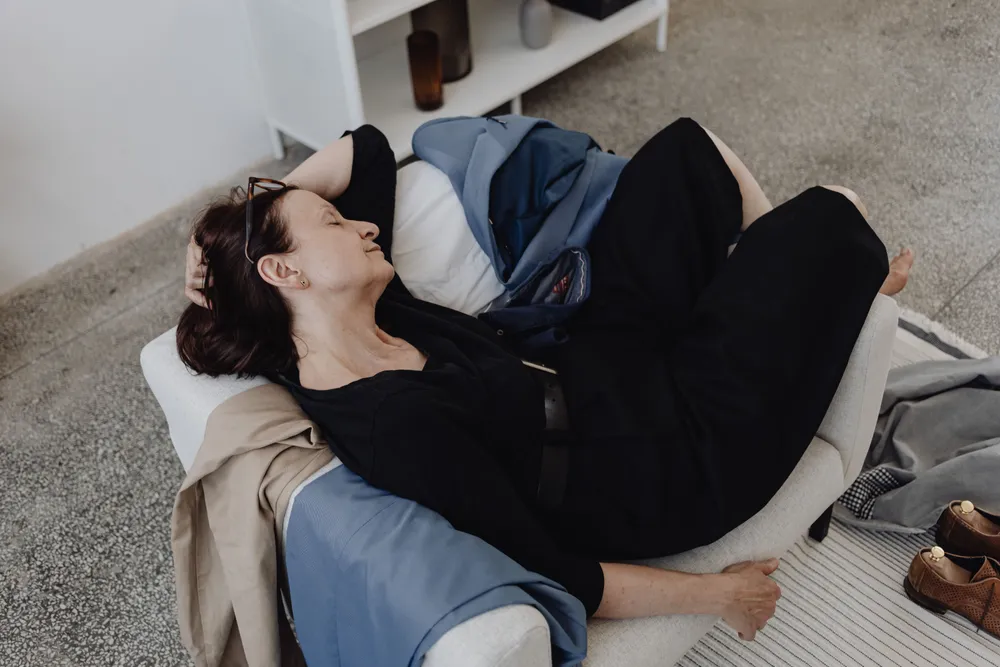
When safety or function is at stake. After a truly broken night, before a long drive, or when exhaustion has reached the point of affecting your judgment, a nap is the sensible choice and there's nothing to feel guilty about. Sleep researchers treat this as a legitimate countermeasure, not a lapse in discipline.
Some practical ways to keep it useful:
- Set an alarm before you lie down — the whole plan depends on it.
- Nap somewhere that isn't your bed if you're working on insomnia, so the bed stays linked to night sleep.
- Try coffee first, nap second. Caffeine takes about twenty minutes to arrive — but only if it's early enough not to wreck your night, which our piece on caffeine timing covers.
- If you can't sleep in twenty minutes, get up. Lying there frustrated builds exactly the association CBT-I works to break.
- Watch the pattern, not the day. A nap most days is information: your nights need attention.
What if you rest without actually sleeping?
This is the underrated middle option, and it sidesteps the whole trade-off. Lying down with your eyes closed for fifteen minutes — not trying to sleep, just letting your body settle — lowers arousal and eases fatigue without discharging the sleep pressure you need tonight. Slow breathing, a body scan, or simply lying still all count.
It also removes the pressure that makes napping backfire for anxious sleepers. If you get into bed determined to sleep for twenty minutes and it doesn't happen, you've just practised lying in bed feeling frustrated — the exact association you're trying to break. Deciding in advance that rest is the goal means there's nothing to fail at.
Worth mentioning to a doctor: if you need to nap daily despite spending eight hours in bed, if you fall asleep without meaning to, or if you wake unrefreshed no matter how long you sleep, that's worth investigating rather than managing. Undiagnosed sleep apnea, thyroid problems and anemia all present this way, and all rise around midlife.
The most useful reframe I found: a nap isn't cheating and it isn't a cure. It's a loan against tonight. Small and early, the interest is negligible. Long and late, you'll pay it back at 2 a.m.
Where to go from here
If you're napping most days, the nap isn't the problem to solve — the nights are. Start with the complete perimenopause and menopause sleep guide, and if daytime exhaustion is the dominant symptom read tired all day, wide awake at night. For the structured fix, CBT-I is the treatment with the best long-term evidence; and morning light is the free habit that makes afternoons less brutal in the first place.
Key takeaways
- Naps aren't inherently good or bad — length and timing decide whether one costs you anything at night.
- Ten to twenty minutes keeps you in light sleep and restores alertness; beyond thirty you hit deep sleep and wake with heavy sleep inertia.
- Nap in the early afternoon, ideally before 3 p.m., when there's a natural dip in alertness and the cost to tonight is lowest.
- Sleeping in the day discharges the sleep pressure built since morning — harmless if you sleep well, expensive if your nights are fragile.
- CBT-I traditionally bans naps, but a 2025 study found short naps improved afternoon alertness without undoing its gains in sleep efficiency.
- Needing a daily nap despite eight hours in bed is a reason to see a doctor — sleep apnea, thyroid problems and anemia all look like this.
Frequently asked questions
Is napping bad for menopause insomnia?
It depends entirely on length and timing. A short nap of 10 to 20 minutes early in the afternoon rarely harms the coming night. A long or late nap does, because it burns off the sleep pressure that has been building since morning and leaves less of it for bedtime.
How long should a nap be?
Ten to twenty minutes is the sweet spot. That is long enough to restore alertness but short enough to stay in light sleep. Beyond about thirty minutes you drop into deep sleep, and waking from it brings sleep inertia, the heavy grogginess that can take half an hour to shake off.
What time of day should I nap?
Early afternoon, and ideally before 3 p.m. There is a natural dip in alertness after lunch that a nap fits neatly into. Napping later borrows sleep from the night that is only hours away, which is exactly what a fragile sleeper cannot afford.
Does CBT-I allow napping?
Traditionally it discourages naps, because the treatment works by concentrating sleep pressure into the night. Recent research is more nuanced: a 2025 study found short naps improved early-afternoon alertness without undoing the gains CBT-I made in sleep efficiency and time awake at night.
When is a nap the right call?
After a genuinely broken night, when you have to drive, or when exhaustion is affecting your safety or judgment. In those moments a short nap is sensible, not a failure. The problem is not the occasional rescue nap, it is the daily habit that quietly reshapes your nights.
Sources cited
- Faraut B, et al. Napping during cognitive behavioural therapy for insomnia: friends or foes? J Sleep Res. 2025. pubmed.ncbi.nlm.nih.gov
- Mayo Clinic. Napping: do's and don'ts for healthy adults. mayoclinic.org
- American Academy of Sleep Medicine. Healthy sleep habits and daytime sleepiness. aasm.org
- Sleep Foundation. Napping: benefits, length and timing. sleepfoundation.org
- National Institute on Aging (NIH). A good night's sleep. nia.nih.gov
- Cleveland Clinic. Cognitive behavioral therapy for insomnia (CBT-I). clevelandclinic.org

Ellen Hayes
Health & Wellness Writer and Researcher
Hi — I'm Ellen. I have absolutely fallen asleep on the sofa at five in the afternoon and then been genuinely baffled at midnight about why I wasn't tired. It took reading about sleep pressure for the penny to drop.
I'm not a doctor. I'm not an expert — and I'm never going to talk down to you like one. I'm a woman in the middle of perimenopause who got tired of vague answers, started reading the actual research, and writes it down here in plain English, the way I'd explain it to a friend over coffee. More about Ellen →