Weighted Blankets for Menopause: Do They Help You Sleep?
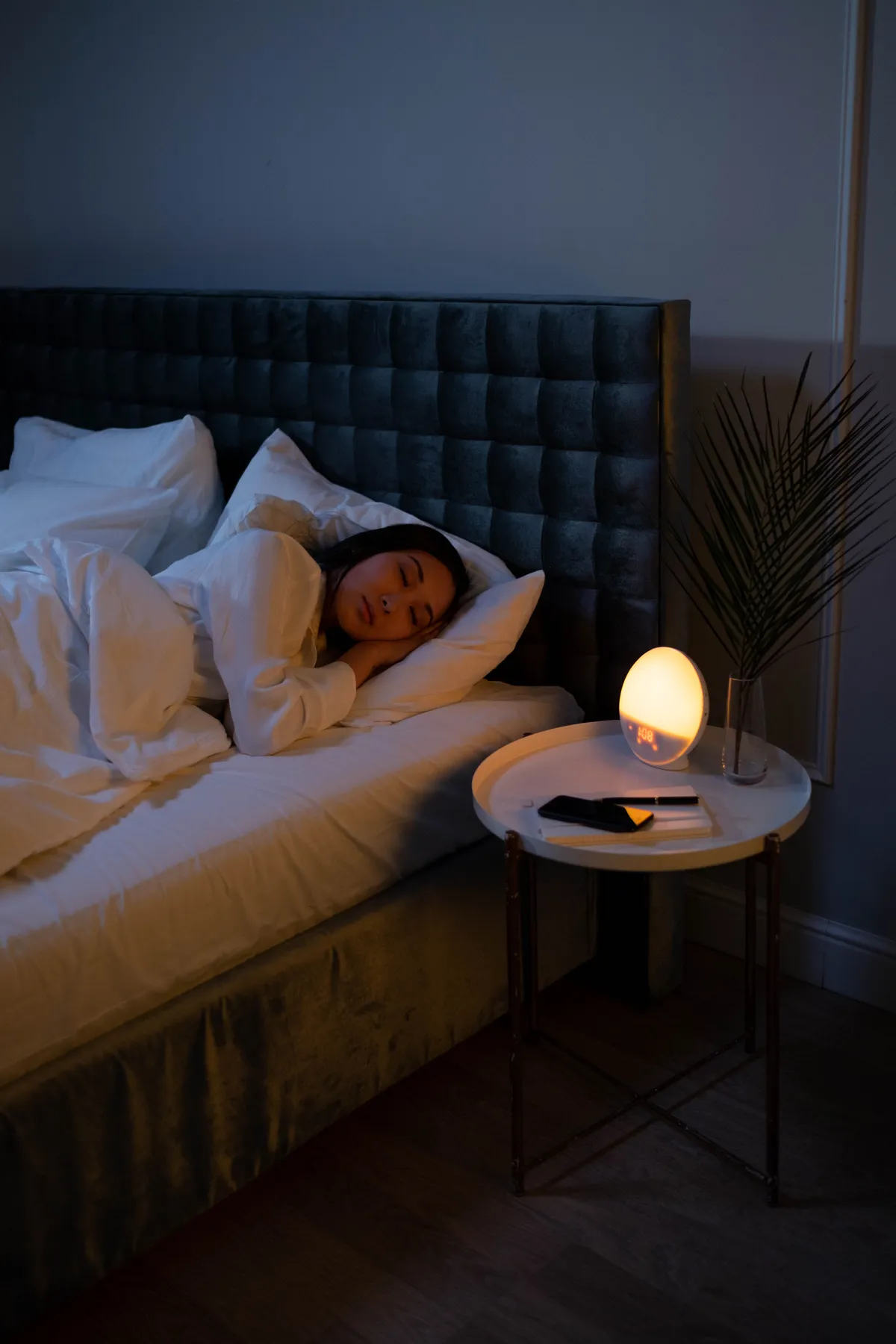
Weighted blankets can help menopausal sleep, especially when anxiety keeps you wired at bedtime. The gentle, even pressure calms the nervous system, and small studies show reduced insomnia severity. The catch for midlife women is heat: choose a breathable, cooling design and about 10 percent of your body weight, and skip it if you have sleep apnea or breathing issues.
The first time someone suggested a weighted blanket to me, I laughed. I was already waking up hot and throwing the covers off at 2 a.m. — why on earth would I add more blanket? It sounded like the worst possible idea for a menopausal body.
But my sister swore by hers for anxiety, and my problem wasn't only the heat — it was the racing, wired feeling at bedtime, the sense of lying down but not landing. So I read the research, tried a cooling one over just my legs, and grudgingly admitted it helped the part of my insomnia that no amount of fan could touch.
So here's the honest version — what a weighted blanket can and can't do for menopausal sleep, and how to use one without cooking yourself.
Do weighted blankets actually help you sleep during menopause?
They can, particularly when anxiety is part of your insomnia. The even pressure calms an over-aroused nervous system and can lower the bedtime "wired" feeling, and small clinical trials show reduced insomnia severity. They won't fix hormone-driven wakings, but as a drug-free wind-down tool, many midlife women find them genuinely soothing.
What a weighted blanket is really treating is arousal — the keyed-up, can't-settle state that so often rides along with perimenopause. It does nothing about falling estrogen or a hot flash itself. So think of it as one calming input among several, not a cure. If your nights are dominated by heat rather than a racing mind, the cooling strategies in our stay-cool guide will matter more.
How do weighted blankets actually work?
Through something called deep pressure stimulation. The broad, gentle weight is thought to shift your nervous system out of "fight or flight" and toward the calmer, rest-and-digest state — the same reason a firm hug or being swaddled feels reassuring. That downshift is exactly what a wired, perimenopausal brain struggles to do on its own.
Researchers believe the pressure may nudge the body toward more parasympathetic (calming) activity and support the natural evening rise in melatonin, while easing the stress signaling that keeps you alert. You don't need to memorize the biology — the practical point is that the blanket works on the nervous system, which is precisely the lever that hormonal changes keep jamming.

This is also why weighted blankets pair so naturally with the calming steps in our guide to menopause insomnia and anxiety at night. The blanket isn't magic; it's one more signal, stacked with breathing and a consistent routine, that tells your body the day is over.
Will a weighted blanket make me too hot or worsen night sweats?
It can — if you choose the wrong one. This is the make-or-break issue for menopausal women, and it's entirely solvable. The fix is materials and coverage: pick a breathable, cooling build, and you don't have to trap heat to get the calming pressure. Many women simply drape it over the legs.
What to look for if you run hot:
- Glass-bead fill, not plastic pellets. Fine glass beads are denser, so the blanket is thinner for the same weight — less bulk, less trapped heat.
- Breathable natural covers. Cotton, bamboo, or a moisture-wicking "cooling" cover beats fleece or minky, which insulate like a furnace.
- Go lighter. A slightly lighter blanket still delivers the calming pressure with less heat load.
- Cover less. Over the legs or lap only — during a wind-down hour or in bed — gives you the downshift without a full-body sweat.
What weight should you choose?
The standard guideline is about 10 percent of your body weight. For a 150-pound woman, that points to roughly a 15-pound blanket. If you're between sizes, tend to overheat, or feel even slightly claustrophobic, size down — the blanket should feel like a reassuring hug, never a wrestling match.
| Your body weight | Typical blanket weight (~10%) |
|---|---|
| 120 lb (54 kg) | ~12 lb |
| 150 lb (68 kg) | ~15 lb |
| 180 lb (82 kg) | ~18 lb |
| 210 lb (95 kg) | ~20 lb (many brands cap here) |
Two more notes. If you share a bed, buy a single-size blanket for yourself rather than a giant shared one — weighted blankets aren't meant to drape over the edges, and your partner may not want the weight (or may run at a different temperature entirely). And there's no prize for heavier: more weight is not more benefit past the comfortable point.
Are weighted blankets safe?
For most healthy adults, yes — but not for everyone. The core safety rule is simple: you must be able to move under it and lift it off yourself easily. Skip a weighted blanket, or check with your doctor first, if you have sleep apnea, a respiratory or circulatory condition, or low blood pressure.
Used sensibly, though, a weighted blanket is one of the lowest-risk sleep tools out there: no dependence, no morning grogginess, no interactions. That's a big part of its appeal in midlife, when so many "sleep aids" come with a catch.
Where does a weighted blanket fit among other sleep aids?
Think of it as a comfort and anxiety tool, not a treatment. It sits alongside the evening wind-down, not in place of the things that address the root of menopausal insomnia. For a racing mind it can be lovely; for hormone-driven hot flashes or chronic insomnia, it's a supporting act.
Where it earns its place, roughly in order of what actually moves the needle:
- Foundations first. A cool room, a fixed wake time, and an earlier caffeine and alcohol cut-off do the heavy lifting — see the complete sleep guide.
- For chronic insomnia, the strongest evidence is for CBT-I, not any product.
- For a wired, anxious bedtime, a weighted blanket is a genuinely nice add-on — drug-free and low-risk.
If you decide to try one, the buying decision really comes down to fill type, cover fabric, and weight — the three things that separate a soothing night from a sweaty one. When we publish our hands-on guide to choosing a cooling weighted blanket, it will live right here.
How do you actually use a weighted blanket well?
Ease into it and treat it as part of a routine, not a switch you flip. Start with short, low-stakes sessions so your body learns to associate the pressure with calm, then build up. Rushing straight to full overnight cover is the fastest way to decide you hate it.
- Start on the sofa. Use it over your lap during your wind-down hour first — reading, not screens.
- Then over the legs in bed. Especially if you run hot; you still get much of the calming effect.
- Keep the room cool. 60–67°F. The blanket and a cool room aren't in conflict — the cool air offsets the weight.
- Pair it with a wind-down cue. Slow breathing, a warm caffeine-free drink, dim light. The blanket amplifies a routine; it doesn't replace one.
A weighted blanket can't lower your estrogen back down or cool a hot flash. What it can do is quiet the wired, anxious mind that turns one bad wake-up into an hour of lying there — and some nights, that's the whole battle.
Where to go from here
A weighted blanket is one small, pleasant piece of a bigger picture. For the full map of why midlife sleep changes and every evidence-based fix in order, start with the complete perimenopause and menopause sleep guide. If bedtime anxiety is your main struggle, our guide to menopause insomnia and anxiety at night is the natural next read. And if heat is the bigger enemy, learn how to stay cool at night during menopause before you add any weight.
Key takeaways
- Weighted blankets may ease anxiety and help some women fall asleep, through calming deep-pressure stimulation.
- Choose one around 10% of your body weight, and look for breathable, cooling versions if you run hot.
- They can trap heat, so a heavy fleece blanket may worsen night sweats — the fabric matters.
- They're safe for most adults, with a few exceptions such as certain respiratory or circulation conditions.
- They're a comfort aid, not a cure — best used alongside cooling and good sleep habits.
Frequently asked questions
Do weighted blankets really help menopause insomnia?
They can help, especially when anxiety is part of the problem. The gentle, even pressure calms the nervous system and can lower bedtime arousal, and small trials show reduced insomnia severity. They aren't a cure for hormone-driven sleep loss, but as a low-risk, drug-free wind-down tool, many midlife women find them soothing.
Will a weighted blanket make my hot flashes worse?
It can if you pick the wrong one. Choose a breathable, cooling design — cotton or bamboo covers with glass-bead fill rather than plastic pellets or fleece. Many women use a lighter weight, or drape it over just the legs, so they get the calming pressure without trapping heat during night sweats.
What weight of blanket should I choose?
The common guideline is about 10 percent of your body weight. For a 150-pound woman, that's roughly a 15-pound blanket. If you're between sizes, run hot, or feel claustrophobic, size down. It should feel like a reassuring hug, never a struggle to move under or throw off.
Who should not use a weighted blanket?
Skip it, or ask your doctor first, if you have sleep apnea, a respiratory or circulatory condition, low blood pressure, or any issue that makes it hard to move or lift the blanket off yourself. It should always be easy to remove without help. When in doubt, get medical clearance before buying.
How long does it take to get used to a weighted blanket?
Usually a few nights to two weeks. Some women love it immediately; others need to adjust. Start with a wind-down hour on the sofa, then over the legs in bed, before committing to full cover. If it still feels restrictive after two weeks, it may not be your tool, and that's okay.
Sources cited
- Ekholm B, Spulber S, Adler M. A randomized controlled study of weighted chain blankets for insomnia in psychiatric disorders. Journal of Clinical Sleep Medicine, 2020.
- Sleep Foundation. Weighted Blankets: Benefits and How They Work. sleepfoundation.org
- Cleveland Clinic. Do Weighted Blankets Work? clevelandclinic.org
- The North American Menopause Society (NAMS). Sleep and the menopause transition. menopause.org

Ellen Hayes
Health & Wellness Writer and Researcher
Hi — I'm Ellen. If you're reading this at some ungodly hour because your brain flipped on at 3 a.m. and won't shut off… I get it. I'm right there with you. I'm somewhere in the middle of midlife, deep in perimenopause, and lately sleep and I have a complicated relationship.
I'm not a doctor. I'm not an expert — and I'm never going to talk down to you like one. I'm just a woman who got tired of vague answers ("it's just your age," "try to relax") and decided to actually read the research myself. Then I write it down here, in plain English, the way I'd explain it to a friend over coffee. More about Ellen →