Active Cooling Mattress Pads for Menopause Night Sweats
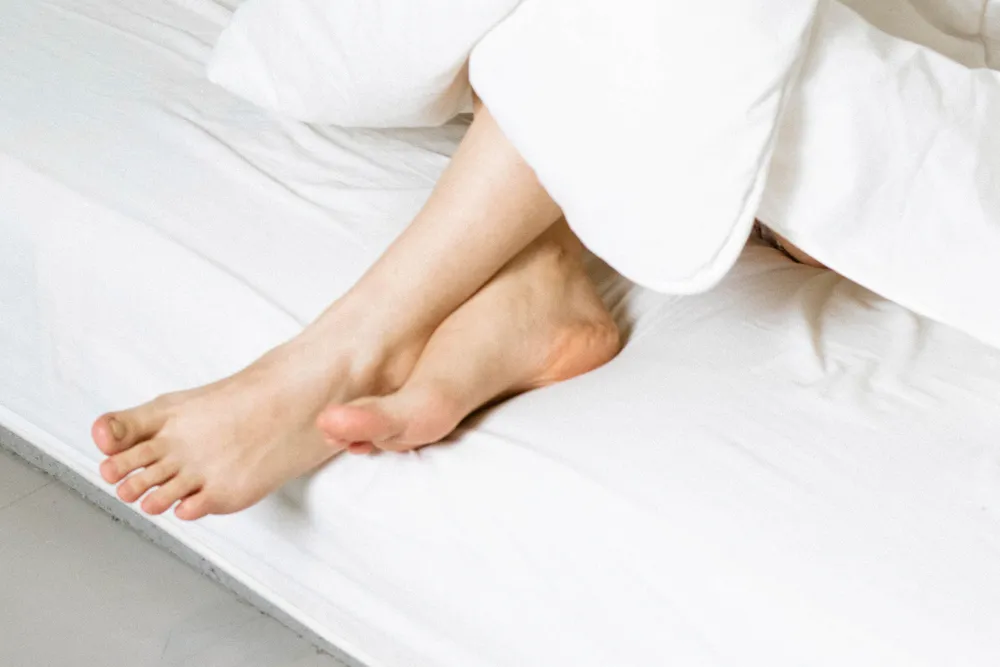
Active cooling pads circulate temperature-controlled water or air under your sheet, cooling the surface you're lying on rather than just the room. One small 2022 study found real improvement in hot flashes and sleep. Water systems cool more aggressively; air systems are simpler and quieter. Worth it if a cool room and bedding alone aren't enough.
I put off writing this one for months, mostly because these things aren't cheap and I didn't want to recommend a several-hundred-dollar gadget on a hunch. Readers kept asking about them anyway — specifically the water-circulating pads with names like ChiliPad and OOLER, and the air-based BedJet — so I finally sat down and read what evidence actually exists, not just what the product pages say.
What I found was smaller than I expected, but real. If you've read our guide to staying cool at night, you've already seen this category mentioned as the "spend on it if the basics aren't enough" option. This article is the deeper look at whether that's actually earned, and how to choose between the two very different technologies hiding under the same "cooling mattress pad" label.
The honest framing up front: this is the most expensive item in the cooling toolkit, and the least necessary for most people. It earns its place for a specific situation — when the room is already cool and you're still overheating, or when you sleep next to someone who runs cold. It's not the first thing to buy.
What is active cooling, and how is it different from a cooling pillow?
A cooling pillow or breathable sheets work passively — they let heat escape rather than trapping it. Active cooling is mechanical: a unit pumps chilled water or blows temperature-controlled air through a pad under your fitted sheet, actively holding your whole sleeping surface at a set temperature all night, not just wherever your head rests.
That distinction matters for a hot flash specifically. A passive pillow or fabric can only help heat escape faster; it can't out-cool a flash that's actively raising your skin temperature in real time. An active system is fighting back with its own temperature source, which is the whole reason it costs more and does more.
Does the research actually show it helps hot flashes?
There's one study aimed directly at this, and it's encouraging: 15 perimenopausal and postmenopausal women with frequent hot flashes used a cooling mattress pad nightly for 8 weeks, and both their hot flashes and sleep improved by a meaningful margin. It's real evidence, but it's a small, uncontrolled pilot — not proof the device itself caused everything measured.
The honest caveats matter here. Fifteen women is a small sample, there was no placebo or comparison group, and everyone knew they were using the device — all of which can inflate self-reported results. It's also the kind of study a device maker is happy to fund and publicize, so treat the marketing claims built on top of it (including ones promising it will "eliminate insomnia") with more skepticism than the underlying data actually supports.
What it does establish reasonably well: this isn't an implausible idea with zero evidence behind it. Cooling the surface you sleep on, directly and continuously, produced a real signal in the one study that looked. A larger, controlled trial would tell us more, but for now, "promising early evidence" is the fair, accurate summary — not "proven."
Water-based vs. air-based: which technology should you choose?
The two technologies solve the same problem differently. Water-based pads (the ChiliPad and OOLER, made by the same company, are the best-known examples) circulate chilled or warmed water through tubing woven into a silicone pad. Air-based systems (BedJet is the main one) blow temperature-controlled air under your top sheet instead, with no water involved at all.
| Water-based | Air-based | |
|---|---|---|
| How it cools | Chilled water through a pad under your sheet | Temperature-controlled air blown under the covers |
| Cooling strength | Stronger, more direct contact cooling | Generally milder against the skin |
| Setup & upkeep | Reservoir to fill, occasional water changes | No water; generally simpler to set up |
| Typical noise | Newer units notably quieter than early generations | Varies more by model |
Neither is objectively "better" — they suit different priorities. If overheating is your dominant complaint and you don't mind a bit more maintenance, water wins on raw cooling power. If simplicity and easy setup matter more, or you'd rather not deal with a water reservoir, an air-based system is the lower-friction choice.
A few practical details that don't show up in the marketing copy: water-based pads sit directly under your fitted sheet and stay in place, while air-based systems route a hose to a vent that slides between your top sheet and comforter, which some people find bunches up over the course of a night. Neither problem is a dealbreaker, but both are the kind of small daily friction that's worth knowing before you spend the money, not after.
What if only one of you runs hot?
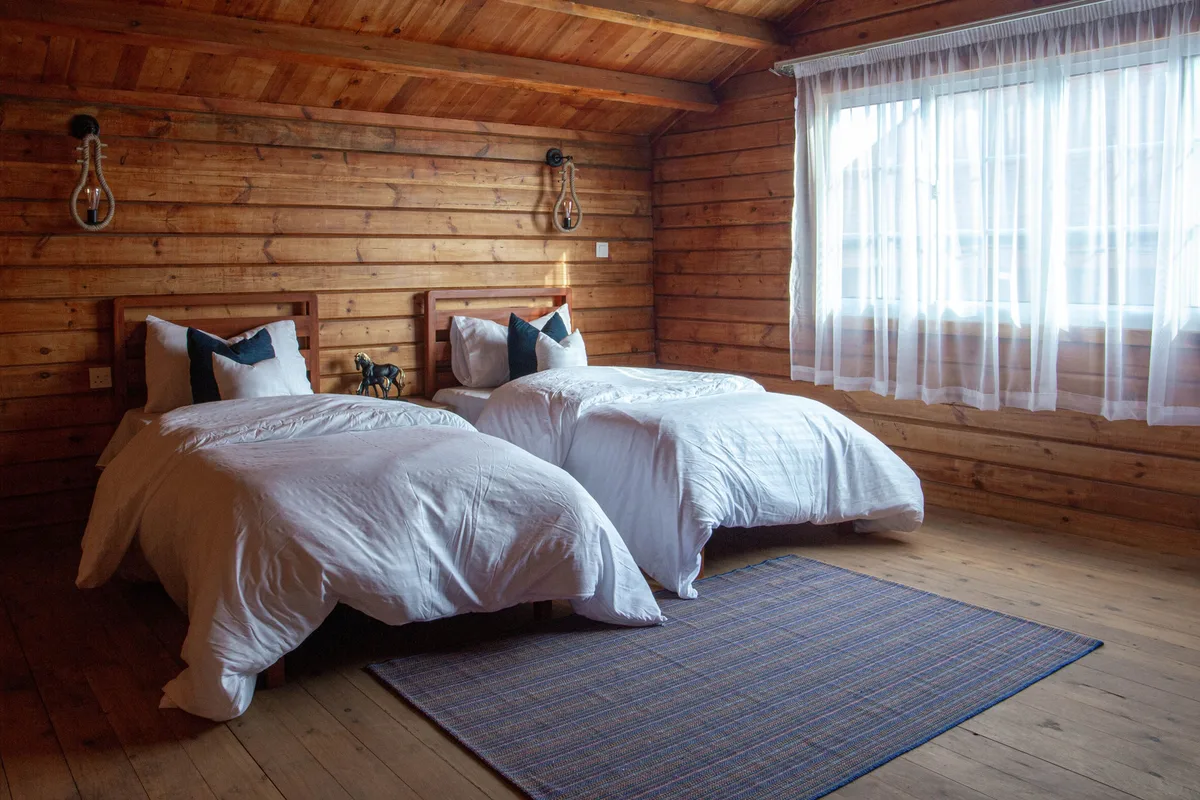
This is where active cooling earns its cost for a lot of couples. Most major systems sell a dual-zone version — two separate pads and controllers, one per side — so you run cold on your side while your partner keeps theirs normal or even warm. It answers the "I'm burning up, he's freezing" standoff without changing rooms.
It's also the single biggest upgrade to the price tag, since dual-zone setups are essentially two full systems rather than one. If sleeping apart because of temperature is already on the table in your house, a dual-zone pad is worth pricing out before you commit to separate beds — it solves the same mismatch without giving up the shared bed.
How much do these systems cost?
Expect real money. Single-zone systems commonly start around $400–$700, premium water-based units run $700–$1,500 or more, and dual-zone setups roughly double that since they require two complete systems. Treat any number here as a moving target — models and prices change often, so check current listings rather than budgeting off this article.
Watch for the marketing gap. Product pages for this category lean hard on the pilot study above, sometimes stretching "improved sleep scores by 30%" into language implying a cure. The device may genuinely help — but you're paying premium-gadget prices for evidence that's still early, not for a medically proven treatment.
What does cleaning and upkeep actually involve?
Water-based pads need occasional attention: refilling the reservoir, periodic tank cleaning per the manufacturer's schedule to prevent buildup, and being mindful of any leaks at the tubing connections since it's water running under your mattress. Air-based systems skip the water maintenance entirely, though hoses and connections still need occasional checking.
- Water systems: refill the reservoir, clean per manufacturer schedule (often monthly), check tubing connections periodically
- Air systems: no water to manage; check hose connections and clean any intake filter occasionally
- Both: the pad itself typically isn't machine-washable, so a protective cover you can wash matters more than with ordinary bedding
- Either way: read the specific maintenance schedule for your model before buying — it varies more than most buying guides mention
None of this is difficult, but it is one more small chore on top of a routine you may already feel is full. If the idea of one more thing to maintain sounds exhausting rather than manageable, that's worth weighing honestly against the potential benefit before you buy — a device you resent maintaining tends to end up unplugged in a closet within a year.

Who is this worth it for, and who should start cheaper?
Start cheap first. A cool room, breathable sheets, and a fan handle most of the problem for a fraction of the cost, and a cooling pillow or sleepwear are the next step up. An active cooling pad is worth considering once you've tried the basics and still wake up drenched, or when a partner needs a different temperature.
- Good candidate: you've already cooled the room and bedding, hot flashes are still waking you, and the budget genuinely allows it
- Good candidate: you and a partner need meaningfully different temperatures and want to stay in the same bed
- Not yet: you haven't tried a cooler room, breathable bedding, or a fan first — cheaper fixes solve most of this for most people
- Talk to a doctor first: hot flashes are dominating your days as well as nights — a device treats the bedroom, not the underlying hormonal cause
The room, the bedding, and the fan are the floor everyone should try first. The pad is the ceiling — the thing you reach for once you've genuinely hit that floor and you're still hot.
Where to go from here
For the full cooling system this pad fits into, start with how to stay cool at night during menopause, and layer in a cooling pillow and cooling sleepwear before considering a pad. If temperature differences are pushing you and a partner toward separate beds, our look at sleeping apart during menopause covers that decision honestly.
For how cooling fits into the bigger sleep picture, start at the complete perimenopause and menopause sleep guide.
Key takeaways
- Active cooling pads pump chilled water or air under your sheet, cooling the surface you're lying on directly — unlike passive options like a cooling pillow.
- The one real study (15 women, 8 weeks) found hot flash severity dropped up to 50% and sleep scores improved about 30%, but it was small and uncontrolled — promising, not proven.
- Water-based systems (ChiliPad, OOLER) cool more aggressively but need more upkeep; air-based systems (BedJet) are simpler and need no water.
- Dual-zone setups let you and a partner run different temperatures on the same bed — a direct fix for the "I'm hot, they're cold" standoff.
- Expect $400–$700 for a single-zone system, $700–$1,500+ for premium water-based units, and roughly double for dual-zone.
- Water systems need occasional reservoir refills and tank cleaning; air systems skip the water maintenance entirely.
- Start with a cool room, breathable bedding, and a fan first — this is the expensive upgrade for once the basics genuinely aren't enough.
Frequently asked questions
Do active cooling mattress pads actually help menopause night sweats?
The one small pilot study on this specifically found real improvement: 15 women using a cooling mattress pad for 8 weeks saw hot flash severity drop by up to 50% and sleep scores improve by 30%. It's a genuinely promising signal, but it's a single-arm study with no placebo group, so treat it as encouraging, not proven.
Should I get a water-based or air-based system?
Water-based pads (like ChiliPad or OOLER) cool more aggressively and offer a wider temperature range, but need a water reservoir refilled occasionally and more upkeep. Air-based systems (like BedJet) are simpler to set up, need no water, and are often quieter, but generally cool less dramatically than water against the skin.
How loud are these systems at night?
It varies by brand and generation. Newer water-based units run around 41 to 46 decibels at typical settings, similar to a quiet refrigerator, and are noticeably quieter than earlier-generation versions. Air-based systems vary more by model. If noise is a dealbreaker, check current decibel specs and reviews before buying, since this changes model to model.
Can only one side of the bed be cooled?
Yes, and this is one of the best reasons to consider one. Most major systems sell a dual-zone option with two separate pads and controllers, so you run cold on your side while your partner keeps their normal temperature, or their own setting entirely. It's a direct fix for the classic "only one of us is menopausal" standoff.
How much do active cooling mattress pads cost?
Single-zone systems commonly start around $400 to $700, with premium water-based units running $700 to $1,500 or more, and dual-zone setups roughly doubling the cost since they require two units. Prices and models change often, so check current listings rather than relying on any number for long.
Is it worth buying one, or should I start cheaper?
Start cheaper first: a cool room, breathable bedding, and a fan solve most of the problem for free or close to it. An active cooling pad is worth considering if you've done that and still wake up drenched, especially if a partner needs a different temperature than you do. It's a real investment, not a first move.
Sources cited
- Avis NE, et al. Results of a pilot study of a cooling mattress pad to reduce vasomotor symptoms and improve sleep. Menopause. 2022;29(8). doi:10.1097/gme.0000000000002010. pubmed.ncbi.nlm.nih.gov
- Sleep Foundation. Best Temperature for Sleep. sleepfoundation.org
- Sleep Foundation. Best Cooling Mattress Toppers. sleepfoundation.org
- The North American Menopause Society (NAMS). Hot flashes and vasomotor symptoms. menopause.org
- Cleveland Clinic. Managing Night Sweats. clevelandclinic.org

Ellen Hayes
Health & Wellness Writer and Researcher
Hi — I'm Ellen. I dragged my feet on this article because I didn't want to tell you to spend several hundred dollars on a hunch. Finding one real (if small) study behind it, and the honest gap between that study and the marketing built on top of it, felt like exactly the kind of thing worth digging into properly.
I'm not a doctor. I'm not an expert — and I'm never going to talk down to you like one. I'm a woman in the middle of perimenopause who got tired of vague answers, started reading the actual research, and writes it down here in plain English, the way I'd explain it to a friend over coffee. More about Ellen →